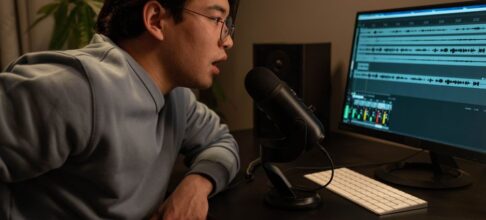
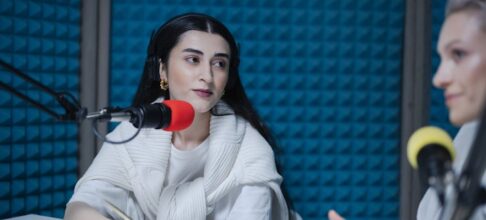
It’s 8: PM in a cramped sound booth somewhere off Giza Street. Ahmed, a mid-career voice artist, is halfway through his sixth round of retakes for a Saudi mobile game publisher. He’s not reading “once more with feeling” — he’s wrestling with pronunciation notes from an AI-powered script supervisor piped in from Berlin. The workflow? Messy. The deadlines? Non-existent. The future? Nobody agrees.
When Technology Hits the Dialect Wall
There’s an unspoken frustration in most Cairo-based studios: AI voice over tools like Respeecher or ElevenLabs can generate crystal-clear Modern Standard Arabic (MSA), but throw in a Levantine accent request and things unravel fast. One localization lead at Rababa Games (Amman) put it bluntly last year: “We need twenty dialects, and the machine understands two.”
In , Netflix launched its first major slate of dubbed Arabic originals across North Africa and the Gulf. Behind the scenes, vendors reported that nearly % of sessions involved re-recording lines that tripped up both synthetic voices and human talent—usually around slang or cultural nuance.
A Typical Workflow — If There Even Is One
Ask three different studios how they produce Arabic voice over today, you’ll get three different answers.
At Noor Media House in Dubai, ADR supervisors start every project with a dialect audit: which regional variant is required for each character? Are there words best left untranslated? Their pipeline leans on traditional casting calls; AI is used only for scratch tracks or placeholder reads.
Contrast this with Polish agency Localize.pl, which in early experimented with using Play.ht to speed up MSA dubbing for children’s cartoons destined for YouTube in Egypt. After initial tests shaved off about % of production time compared to full-cast recording sessions, producers discovered that parent feedback was overwhelmingly negative—the synthesized voices didn’t sound playful enough. By Q2 they’d quietly reverted to hybrid workflows: AI for background chatter; humans for leads.
Budgets Stretch But Don’t Snap Yet
Budgets always seem to be either shrinking or mysteriously multiplying depending on who you ask. In Riyadh-based ad agencies, campaign briefs now often require at least two dialect adaptations (Gulf and Egyptian), driving up costs by as much as %. Studios are forced into rapid-fire casting rounds—one producer described her Google Sheets tracker as "looking like an airline departures board during a thunderstorm."
Yet those same agencies increasingly rely on cloud platforms like Voquent or Voice123 to access diaspora talent scattered from London to Casablanca. Turnaround times have dropped by half since pre-pandemic days for digital-first projects—but only if everyone settles on MSA.
Old School Meets New Tricks — Sometimes Awkwardly
Remember when all serious voice work was done live? Some still insist on it. In Beirut, veteran performer Rana Shami insists on attending every direction session in person—"AI can't improvise when the script stumbles," she says. Her studio recently handled a streaming docu-series where producers tried inserting synthetic narration between human interviews; viewers complained about jarring tonal shifts after episode one.
But there are surprising outliers. A startup based in Casablanca is piloting real-time AI-dubbing overlays for educational apps distributed across Algeria and Tunisia—a gamble that could make low-budget e-learning content regionally relevant almost instantly if they crack local intonation patterns.
Numbers That Don’t Quite Add Up (Yet)
Industry insiders estimate that less than % of current Arabic commercial content uses end-to-end synthetic voice over as of mid-—that figure is double what it was two years ago but nowhere near English-language adoption rates (often cited at -%).
One reason: even global platforms like Spotify found themselves fielding complaints after launching auto-translated podcast intros in MSA earlier this year; within weeks they added human QA steps back into their workflow for high-profile hosts targeting Gulf audiences.
Not Just About Language — It’s About Trust
Here’s something rarely discussed outside closed-door meetings: clients often don’t trust machines alone with their brands' personalities—not yet anyway. A Jordanian retail chain recently trialed fully automated IVR scripts but abandoned them after customer support staff flagged "robotic politeness" as off-putting.
Meanwhile, small indie gaming teams across Istanbul and Cairo are watching Western studios automate Spanish or German dubs at scale—and wondering how long before the technology truly catches up with Arabic's messy richness.
The Real Frontier? Adaptive Dubbing For Streaming Giants
The next big leap may come not from language labs but from global streamers hungry for pan-Arab audiences. Disney+ Middle East has reportedly begun prototyping an adaptive dubbing pipeline capable of switching between Egyptian colloquial and MSA depending on user geo-location—if successful, it could redraw expectations entirely by mid-.
But today? Most workflows remain patchwork affairs—a little bit manual here, a dash of algorithm there—reflecting both the promise and pain points unique to working in Arabic voice over right now.