The Myth of Smooth Pipelines
Ask anyone outside the business, and you’ll get some version of this fantasy: actors walk into state-of-the-art studios, scripts are perfectly timed, directors give crisp direction through glass, and within a couple hours, you have broadcast-ready files. In practice? There’s more chaos than choreography.
A localization manager at Keywords Studios (London branch) described their experience adapting a popular AAA game for US release: “We had four regional dialects to match—not just ‘American.’ And at least half our VO sessions started late because talent were stuck in traffic or patching in remotely from Atlanta or Vancouver.”
From Brief to Booking: The Human Jigsaw
Step one isn’t even about microphones—it’s about casting. American voice over has become an exercise in sourcing talent who can hit hyper-specific notes (think Midwest-neutral for insurance ads; Brooklyn-tough for video game sidekicks). In Los Angeles, agencies like Atlas Talent sift through hundreds of reels per day—sometimes the turnaround is under hours if a streaming platform like Hulu needs new ad spots cut before launch.
Once voices are shortlisted, booking becomes its own mini-drama. During COVID-era lockdowns, over % of US-based VOs were recorded in home studios according to several agents I spoke with. Even as traditional booths reopen, remote workflows persist—meaning producers juggle scheduling Zoom-connected actors across time zones.
Inside Real Sessions: What Actually Happens?
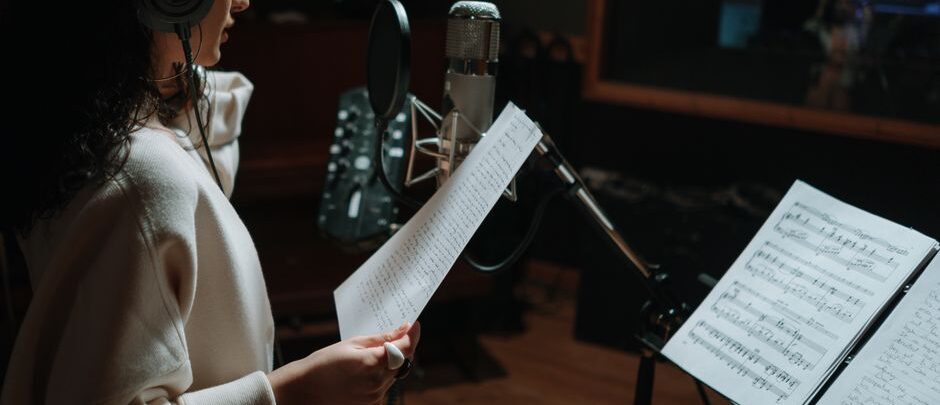
The most instructive moments don’t happen during polished reads—they happen during retakes. For instance, at SideLA (Santa Monica), engineers talk about how often scripts change mid-session. A session scheduled for "an hour" might stretch to three as copywriters Slack through dialogue tweaks while the actor waits.
Actors receive line-by-line direction via Source Connect or IPDTL links; it’s not uncommon for teams in London or Tokyo to join these sessions live and request alternate takes on-the-fly. One engineer told me he regularly patches together five different versions of a single line before editors decide which fits best.
Technology: Friend or Frenemy?
American voice over used to be hardware-driven—Neumann mics, ISDN lines connecting New York and LA studios. Now? Cloud storage platforms like Dropbox Business and Frame.io manage script revisions and audio transfers in real time.
But that hasn’t always meant smoother operations. Take an Australian production house dubbing US-style animation for Cartoon Network: they reported delays when latency issues struck remote recording sessions—sometimes up to % longer delivery times compared to pre-remote workflows.
AI-powered tools such as Descript or Respeecher are creeping into budget projects but haven’t replaced human nuance yet—most brand campaigns still demand bespoke voices despite growing tech adoption (industry insiders estimate under 8% of national TV ad VO uses AI-generated speech as of early ).
Editing Is Never “Just Post”
If there’s one industry constant: it’s overtime in post-production. Editors at companies like Eleven Sound (Chicago) describe working weekends stitching together dozens of micro-edits per finished minute—especially when foreign-language dubs require English versions that match mouth movements frame-for-frame (a quirk dubbed "lip sync hell" by insiders).
In European localization teams handling American properties—say, Polish outfit SDI Media—the workflow often involves two passes: rough assembly followed by director-supervised fine-tuning with reference video. It can take up to five days to finalize ten minutes of dialogue-heavy footage destined for Disney+ Poland.
Case Study Snapshot: Mobile Gaming Goes West Coast-American
Let’s drop into Warsaw circa fall —a local mobile gaming studio is preparing their top title for Apple Arcade's US launch. They contract an LA-based agency specializing in young-adult voices with subtle regional color (not “cartoon” American). Delivery timeline? Two weeks flat for forty playable characters spanning over unique lines each.
Scripts ping-pong between writers in Warsaw and voice talent working remotely from San Diego bedrooms. Final mixes land on Dropbox folders shared with QA testers spread from Austin to Kraków—and every character pass gets timestamped notes about pronunciation quirks (“‘route’ rhymes with ‘out’, not ‘boot’, here”).
Despite timezone headaches and cultural translation debates (“Should this NPC call players ‘guys’ or ‘y’all’?”), the project ships on time—with nearly zero complaints about accent authenticity from US reviewers post-launch.
Where Does This Leave Us?
The truth about American Voice Over is less tidy than glossy behind-the-scenes features suggest—but far more interesting too. At every stage—from casting panics to midnight pickups—it’s a networked mess involving hustling freelancers, caffeinated engineers, cloud drives full of alternate takes, and sometimes brilliant improvisations triggered by deadline pressure.
It remains both high-tech and weirdly analog; fiercely competitive but surprisingly collaborative across borders—from Sydney agencies prepping Super Bowl ads right down to small-town Ohio actors finding niche roles through TikTok DMs.
So next time you catch that impossibly smooth car commercial or perfectly localized game character? Know there was probably a frantic email chain (or ten), a Dropbox folder brimming with outtakes—and someone somewhere wondering if "midwestern neutral" really exists.