The first time I heard a Scottish accent in a global Netflix series—an Edinburgh lilt, neither overly romanticized nor played for laughs—I remember thinking: finally. This was around , when streaming platforms really started to “localize” not just subtitles but voices, and Scotland’s textured soundscape became more than a token.
But here’s the twist. While Scottish voice over is now more present in international games, ads, and documentaries than ever before, most London-based production houses still default to RP (Received Pronunciation) or generic British accents for pan-European campaigns. Even as demand grows—the UK voice over industry has seen an estimated % increase in localization requests since according to several agency owners in Glasgow—the real work often happens behind closed doors.
When Authenticity Gets Filtered
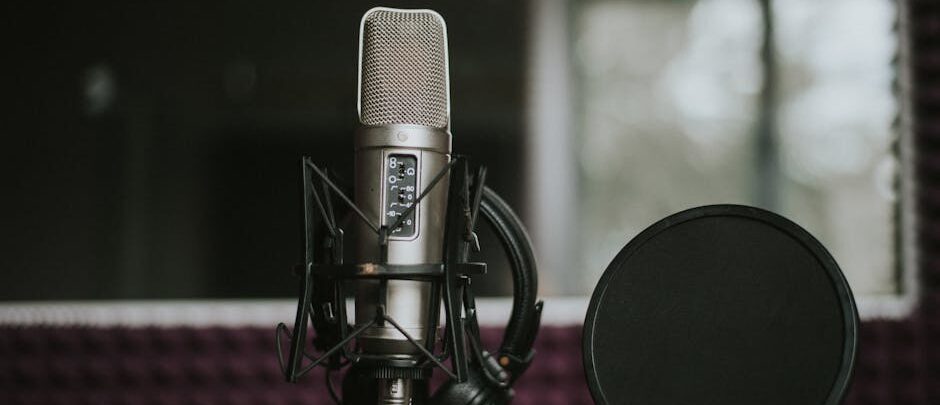
It’s not that there aren’t talented Scottish voice artists. There are hundreds—ranging from established names like Joanna Vanderham (who voiced several BBC nature docs) to freelancers in Dundee recording from home studios with Neumann mics and DIY acoustic foam. The problem? Brands want "Scottish," but often only a diluted version. In one campaign for VisitScotland last year, the agency actually requested three variants of the same script: neutral Edinburgh, soft West Coast, and what they politely called "international-friendly." None made it past brand review without at least two rounds of re-recording to shave off regional edges.
Studio Realities: The Glasgow Workflow
Step into Savalas Audio in Glasgow—one of Scotland’s busiest post-production studios—and you’ll see how this plays out day-to-day. Their team handles everything from AAA game dialogue (for Ubisoft titles) to whisky commercials targeting both domestic and US markets. A typical week sees them coordinating remote sessions over Source-Connect with actors based everywhere from Aberdeen to rural Ayrshire.
Here’s something rarely discussed outside studio walls: scripts destined for North American or Asian audiences go through a specific “de-dialectization” process. Engineers use spectral editing tools like iZotope RX not just for noise reduction but sometimes to literally flatten vowel sounds that testers flagged as “too local.”
The irony? For every campaign where authenticity is sanded down, there’s another where agencies specifically ask for “raw” Glaswegian patter because it performs better with certain demographics on TikTok or Twitch.
A Game Studio Case Study: Rockstar North & Dialectal Layering
No discussion about Scottish voice work is complete without mentioning Rockstar North—the Edinburgh-based developer behind Grand Theft Auto V. When working on Red Dead Redemption 2’s sprawling cast circa –, Rockstar conducted dialect workshops for actors so that even non-Scottish talent could convincingly perform Highland or Borders cadences on secondary characters. Scripts went through up to four passes between dialect coaches and localization editors; at one point the team reportedly hired linguists from the University of Edinburgh just to nail period-correct Scots English lines.
Fast-forward five years: smaller indie studios like Blazing Griffin now routinely record both native Scots and English-language versions for their narrative-driven games. According to their lead audio producer, roughly % of their players select the Scottish-accented track when given the choice—surprising even veteran developers who assumed such options were too niche.
Yet not all sectors are so open-minded. In commercial ADR (Automated Dialogue Replacement), especially for TV ads exported beyond the UK, less than % feature genuinely regional Scottish reads unless required by law (e.g., public service announcements).
AI Voices Arrive—But Who Trains Them?
As AI-generated voices become standard in e-learning modules and explainer videos across Europe, Scotland faces a strange new challenge: synthetic voices trained almost exclusively on southern English data sets. Companies like Speechmatics (based in Cambridge) have begun rolling out beta models labeled “Scottish,” but anyone familiar with native speakers can spot artifacts—a misplaced intonation here, an awkward rhythm there—that break immersion instantly.
In practice? Several Edinburgh-based ad agencies now run A/B tests comparing AI versus human-recorded tracks for corporate clients. In one recent test observed by a producer at Freakworks (Edinburgh), real Scottish narrators consistently scored higher on listener trust metrics by margins of up to %. Yet budget constraints mean some short-form content quietly ships with AI voices tweaked after-the-fact by human engineers.
Does this spell doom or opportunity? As one creative director at Tag Worldwide put it during a panel last autumn: "We’re seeing brands realize that generic won’t cut through anymore—even if AI gets better at mimicking tone, there’s still something about lived-in cadence you can’t fake yet.”
Historical Echoes—and Lingering Tensions
Back in the early ’90s—when STV was still fighting for its share against BBC Scotland—there was little room for accent diversity outside comedy sketches or children’s programming (“Balamory,” anyone?). Fast forward three decades: language politics remain fraught territory. One government-funded radio campaign promoting mental health support last year sparked mild controversy after switching from broad Glaswegian to gently-modulated central belt tones following pushback from national advertisers.
There’s no clean arc here; more like oscillation between progress and compromise.
Is Local Still Local If It's Curated?
Walk into any casting session at Black Cat Studios near Leith today and you’ll hear heated debates among producers about whether an accent “sounds right”—not just regionally authentic but commercially viable across target markets including Germany and Benelux countries where stereotypes persist stubbornly despite globalization.
One project manager summed up Scotland's conundrum neatly over coffee last month: "Clients love ‘Scottish’ flavor until they worry about comprehension—or brand safety—and then we’re back translating ourselves into friendly vanilla." It isn’t cynicism; it’s survival in an industry where every syllable counts toward ROI calculations measured in minute-long YouTube ad views or Instagram engagement spikes during holiday whisky launches.
So yes—the world wants more Scottish voice over work these days. But what kind? And who gets final say?