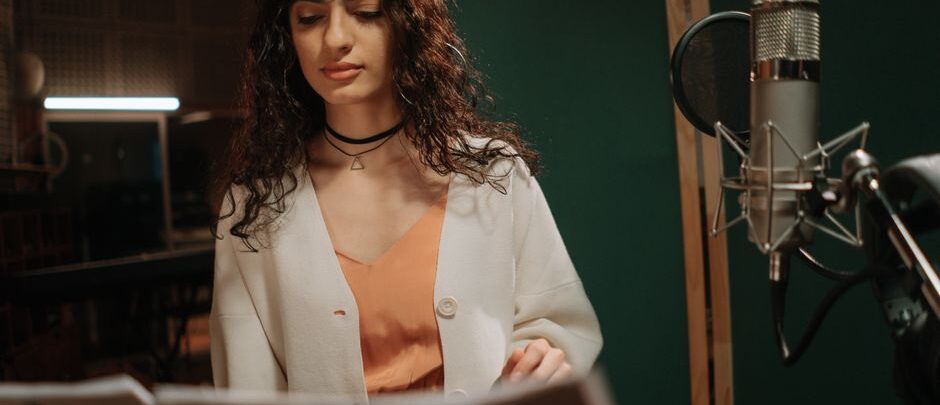
It’s not uncommon to hear a producer in Paris grumble about last-minute voice over requests. For years, French voice over was the kind of detail tacked on days before a campaign launch—more translation than localization, more checkbox than creative asset. But something has shifted since around , and by now, ignoring it can cost studios both reach and reputation.
Why does this matter? Because brands that used to think English would carry them everywhere have discovered otherwise—especially when the project crosses into France, Québec, or Africa. A recent campaign rollout by Ubisoft for "Assassin’s Creed Mirage" underlines this change. The game launched simultaneously in English and French markets; instead of subtitling or partial dubs (as seen even as late as ), they invested in full-cast native French performances. Why? Retention rates in francophone markets spike up to % when players can hear themselves reflected authentically—not just understood, but spoken to.
Where the Frustration Begins
Speak with any mid-tier agency in Montreal handling streaming ads for Netflix-style platforms and you’ll hear the same complaint: "They want us to localize ten episodes overnight—but don’t realize that generic Parisian French won’t cut it for Quebec.” It’s not just a question of accent but tone, idiom, even cultural tempo. In several real ad campaigns observed across Canadian agencies in , content using European French voice actors routinely performed worse on regional metrics compared to those tailored with authentic Quebecois talent—sometimes by double-digit margins.
Not Just Lip Service: The Numbers Behind Localization Investments
Since Disney+ expanded its European catalog post-, there’s been a measurable uptick—around % year-on-year according to industry insiders—in demand for high-fidelity voice localization into French. This is partly driven by compliance: regulations in France require locally accessible versions of major international releases. But there’s also a pragmatic side. Streaming giants see churn rise when dubbed audio feels off-key; one Berlin-based localization manager told me bluntly: “If we shortcut the voice over step, our retention tanks within weeks.”
Case Study: How Lyon Studios Rebuilt Their Pipeline
Take SoundRefinery—a Lyon-based audio studio specializing in multimedia post-production. Before , their bread-and-butter was corporate training videos and small animated shorts. As soon as they began taking contracts from global e-learning firms like Coursera and Duolingo (which aggressively entered francophone Africa mid-pandemic), workflow changed overnight.
No longer could they rely on two or three regulars covering every script. Now SoundRefinery maintains separate rosters for Parisian French, West African French (notably requested by NGOs operating out of Dakar), and Canadian variants. They use cloud-based collaboration tools like Voquent and LocalizeDirect to track casting preferences per region—a necessity after one client’s educational platform saw logins drop sharply when Senegalese users heard Metropolitan accents narrating lessons meant for rural audiences.
When AI Meets Accent: Tech Tries—and Sometimes Fails—to Keep Up
AI-powered dubbing has exploded since ; tools like Respeecher promise near-instant multi-language adaptation at scale. Yet most post houses I’ve spoken with—from Marseille to Brussels—treat AI only as a rough draft or demo pass when it comes to nuanced projects. Cultural inflection remains stubbornly human.
A Polish mobile game studio recently attempted an all-AI approach for a puzzle app targeting France and Belgium; negative feedback on app stores (“robotic,” “inauthentic”) forced them back into old-school casting within months.
The Unseen Impact: Beyond Entertainment
It isn’t just movies or games affected either. In pharma marketing out of Geneva or legal explainers produced in Paris suburbs, regulatory requirements demand crystal-clear comprehension—which means native-level delivery is non-negotiable. A single misunderstood clause can mean lawsuits rather than laughs.
What sometimes surprises newcomers is just how many sectors get caught up here: automotive launches filmed in Germany but aired across Morocco; fintech apps demoed live at VivaTech Paris but rolled out simultaneously in Abidjan and Montreal—all requiring subtle shifts not only linguistically but emotionally.
Why This Is More Than Trendwatching
“French Voice Over” isn’t simply another box on a localization checklist anymore—it’s become embedded strategy for any brand seeking credibility outside core Anglophone markets. A few years back you might have gotten away with subtitles and one-size-fits-all tracks; today you risk losing half your audience before they finish episode one if you don’t get it right.
The irony? Many still underestimate how much micro-localization matters until they see user data crash or social media light up with complaints about “Paris voices” hawking products in Montreal supermarkets.
Closing Thoughts from Inside Production Rooms
In typical workflows now seen at London-based dubbing company Zoo Digital—which handles everything from Amazon Prime series to BBC documentaries—the request list includes not just language pairs but dialect mapping and emotion notes keyed specifically for segments airing in Dakar versus Lille versus Quebec City.
Producers I spoke with say it best: “It used to be about making sure people understand us,” says Léa Moreau of SoundRefinery Lyon, “Now it’s about making them feel like we belong there too.” That shift—from transactional translation toward immersive presence—is what makes the rise of high-quality French Voice Over anything but optional.