From Subtitles to Syllables: A Brief Historical Detour
Back in the early 2000s, most Albanian audiences encountered foreign media through subtitles or raw imports. Local broadcasters like Top Channel would import Turkish dramas and Hollywood films with little more than hardcoded text at the bottom of the screen. But as global streaming platforms expanded post-2015—Netflix officially entered Albania in 2016—the demand for full voice-over skyrocketed. Dubbing wasn’t just a luxury anymore; it became an expectation among younger viewers who grew up on YouTube and Disney+ dubs.
Studio Realities: Where Language Meets Microphone
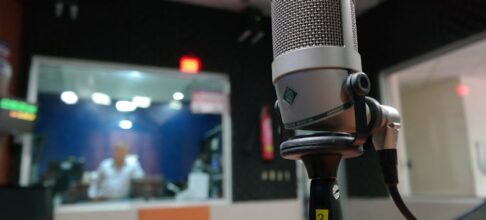
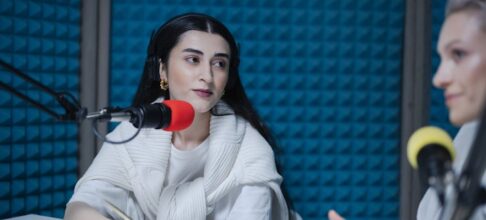
In practice, an Albanian voice over session is rarely glamorous. Take ProStudio Tirana—a mid-sized production house whose client roster has included Discovery Channel Balkan feeds and regional ad agencies. Their workflow starts with detailed script adaptation: literal translations almost never survive intact. A typical 22-minute animated episode requires three days from initial adaptation to audio mastering. The director might coach actors through six takes of a single exclamation to balance naturalness with lip sync.
Unlike larger dubbing centers in Munich or Paris that can cast dozens of voices per project, most Albanian studios work with a core pool of 10–20 seasoned voice artists. This means performers often juggle multiple roles across projects—a familiar voice may be heard as both villain and comic relief within weeks.
When Global Platforms Knock: Netflix and Beyond
Things shifted dramatically when streaming giants started localizing content specifically for Albania and Kosovo around 2017–2018. Netflix’s internal data (referenced by regional vendors) suggested viewer retention improved by nearly 12% on dubbed shows compared to subtitled versions in small-language markets like Albania.
But adapting workflows for these clients brought new headaches—and opportunities:
- Strict quality audits (lipsync precision now measured by frame)
- Increased demand for children’s programming (animation pipelines ballooned)
- Introduction of cloud-based collaboration tools such as Zoo Digital's remote review system—used by several studios between Tirana and Pristina since late 2021 to keep pace with shortened turnaround times.
- Studios in Skopje (North Macedonia), serving sizable Albanian-speaking minorities, often deliver faster turnarounds using hybrid Macedonian/Albanian talent pools.
- In Pristina (Kosovo), where public broadcasters like RTK have ramped up original children’s shows since 2018, young voice actors are being trained directly out of university theater programs—a contrast with Tirana’s reliance on veteran radio personalities.
- Initial English cut reviewed remotely via Frame.io (with brand reps dialing in from London)
- Script adapted locally by a Tirana copywriter specializing in pop-culture nuance
- Two rounds of casting via WhatsApp audio submissions due to COVID-era restrictions
- Final mix delivered for web/social release within eight days—about three times faster than similar projects managed pre-pandemic thanks to remote QC tools and compressed feedback cycles
Even so, budgets remained tight compared to Western Europe. A feature film dub into Albanian could fetch only about 25–30% of what its German counterpart might command according to anecdotal rates shared among Balkan localization managers.
Regional Contrasts: Skopje vs Pristina vs Tirana Workflows
A curious split persists even within the Balkans:
The result? Listeners can sometimes detect subtle dialect shifts between productions aimed at Albania proper versus those commissioned from Kosovo or North Macedonia.
Technology Creep: AI Voices Arrive—But Slowly
AI-driven voice synthesis has been making cautious inroads since mid-2022—but not without skepticism. Companies like DeepDub demoed their platforms at industry events in Vienna last year; however, no major Albanian broadcaster has yet adopted synthetic voices for prime-time content outside pilot experiments for e-learning modules or call center IVRs.
“There’s still resistance,” admits one sound engineer from Radio Televizioni Shqiptar (RTSH). “Audiences notice when emotions feel canned.” Yet commercial interest is rising as costs per project hover at roughly half that of traditional studio sessions—with startups such as LinguaLab Berat quietly testing hybrid workflows (machine base track + human polish) for advertising spots since late 2023.
Commercial Use Cases: The Advertising Angle
Consider an actual campaign run by Agna Media Group—a major marketing agency servicing FMCG brands across Albania—in spring 2022:
A pan-Balkan beverage spot required quick-turnaround adaptation into four languages including Albanian. The workflow involved:
This type of agile process is becoming more common as agencies chase cross-border campaigns while keeping costs manageable.
Gaming & Interactive Content: An Emerging Frontier
European studios developing mobile games have begun commissioning localized character voices for the growing youth market in Albania/Kosovo—notably Berlin-based Tactile Games partnered with Elbasan's MBC Studios during Q4 2023 to record interactive dialogue trees for their puzzle app "Jungle Quest." While budgets here remain modest (often less than €1000 per project), demand has doubled compared to two years ago according to MBC’s managing producer.
Local game communities have also started organizing fan-driven dubs using open-source DAWs like Audacity—especially around popular franchises like League of Legends or Minecraft Mods—which speaks volumes about grassroots enthusiasm even where commercial infrastructure lags behind Western norms.
Cultural Tightropes & Audience Sensitivity
If there’s one universal refrain voiced by directors across all corners—from Fier to Ferizaj—it is this: Every line must feel authentically local yet universally accessible. Mistimed humor or mismatched phrasing quickly draws social media criticism; a viral clip from an ill-fated cartoon dub (“Superheronjtë e Qytetit”) trended on TikTok last autumn after fans mocked unnatural delivery that flattened jokes meant for American kids’ sensibilities.
This sensitivity pushes producers toward ever-tighter review loops involving cultural consultants alongside standard linguists—a detail echoed by studios like ArtVoice Shkup which now builds two-day buffer zones into schedules purely for extra QC passes before client handover.
Final Observations from Inside the Booth
Despite technological advances—and periodic flirtation with AI—the heart of good Albanian voice work remains stubbornly analog: ears tuned to regional nuances, mouths skilled at wrangling dense consonant clusters without breaking comedic rhythm. There are no shortcuts when bridging East-West media flows; every studio floor tells its own story under buzzing LED lights long after midnight deadlines pass.