Breaking from the Legacy Dubbing Mold
There was a time (think early 2000s) when most German language VO work followed rigid dubbing conventions—a single authoritative male voice for narration, slightly formal inflections, almost zero regional flavor. Studios like Studio Funk in Hamburg or FFS Film- & Fernseh-Synchron GmbH in Munich dominated commercial and TV workflows; everything was about consistency and neutrality.
But fast forward to : the typical business brief now might specify “casual Berliner intonation” or “light Austrian accent.” This isn’t just flavor—it reflects how brands want their content localized without losing character. Localization agencies such as VSI Berlin now field requests for hyper-specific dialects, especially for e-learning, gaming trailers, and B2B explainers. According to project managers I spoke with last quarter at a Leipzig-based production house, roughly % of current bookings request non-neutral voices—up from less than % five years ago.
The Netflix Effect—And Its Limits
When Netflix entered the DACH market around , they didn’t just bring global streaming—they brought expectations for lip-sync precision and emotional authenticity that put pressure on everyone else. Suddenly, even mid-sized agencies had clients referencing "Dark" or "How to Sell Drugs Online (Fast)" as tone benchmarks.
Yet here’s something overlooked: the Netflix-style workflow doesn’t always fit corporate projects. SaaS providers in Munich have found that their onboarding videos suffer if voiced too dramatically—the stylized delivery distracts from instructional clarity. In a recent campaign for an industrial automation brand based in Stuttgart, producers opted against using high-profile film dubbers; instead they hired voice actors specializing in technical narration, familiar with engineering lingo but also able to sound approachable—a rare skillset in the old guard.
Tech Isn’t Eating Craft—Yet
AI-powered tools like Descript and Murf.ai have certainly changed how some companies approach multilingual content production. A Polish-German marketing agency I visited last year demoed an AI-generated German voice sample for a retail app tutorial—it shaved days off their timeline. But their creative director admitted: “For anything longer than two minutes or where we need real warmth? We’re still booking humans.”
German is famously precise in its vowel sounds (the difference between "schön" and "schon" can shift meaning entirely). Automated systems often stumble over subtle regionalisms—especially Bavarian or Swabian inflections—which makes fully synthetic workflows risky if nuance matters. In practice, AI is mostly supporting quick-turnaround internal comms or prototyping scripts before sessions with live talent.
Workflow Reality Check: Inside a Berlin Agency's Pipeline
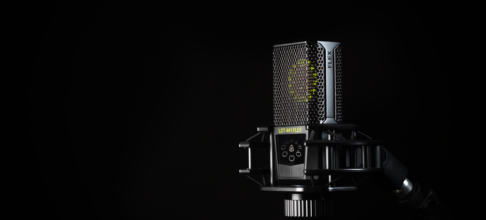
Walk into Paroli Audio’s Kreuzberg office on any Thursday afternoon and you’ll see a hybrid workflow in action: briefings happen live over Zoom with both client-side marketers and native-speaking linguists present (to catch idiomatic traps), then initial takes are recorded in-house using Neumann U87 mics—a detail many US studios skip due to cost sensitivity.
Once raw takes are captured, files go through three layers of review: translation check (because English source phrasing rarely matches direct-to-German word order), performance pass by senior casting directors (often ex-theatre actors themselves), then final mix including careful adjustment of sibilants—German ‘S’ can be harsh on lower-quality headsets commonly used by remote workers across Europe.
The whole process averages seven working days per five-minute video package—not lightning fast compared to machine dubbing but reliable enough that tech firms from Zurich regularly ship product demos north for this exact treatment.
Not Just Voice—Identity Is at Stake
A growing number of SME brands insist on recurring voices across product lines; they want customers to recognize them instantly—even outside Germany’s borders. An Austrian fintech startup told me their conversion rates improved by nearly 8% after switching from generic narration to a well-known female podcaster whose style felt “genuinely local.”
This obsession with sonic identity is prompting agencies like Loft Tonstudios Berlin to maintain curated rosters of regional talent—not just star names but up-and-coming YouTubers who bring fresh cadence patterns more closely matching Gen Z speech trends seen on TikTok Germany.
Challenges Hidden Beneath Efficiency Metrics
Localization budgets remain tight post-pandemic; yet clients quietly accept higher per-minute rates for authentic-sounding German than for Spanish or Italian equivalents—often by margins as high as %. Why? Because missteps land harder here; audiences notoriously spot clumsy translations (“Denglisch” mishaps) within seconds—and social media isn’t forgiving.
In real campaigns observed in Switzerland, even minor tonal mismatches can trigger negative reactions online—one insurance group saw complaint volumes spike after using an AI-voiced explainer deemed “too robotic” during their digital push.
The Next Chapter? Adaptive Voices Meet Micro-Targeting
Some industry insiders believe that soon we’ll see dynamic VO assets rolled out regionally—a campaign voiced three ways: Hochdeutsch for national TV spots; Bavarian-flavored clips for Munich’s Instagram feed; maybe even Low Saxon accents appearing on northern radio ads come election season.
Whether this vision materializes depends partly on whether scalable tools catch up with human nuance—but right now? Most business decision-makers still trust experienced studios over algorithmic shortcuts when reputational risks loom large.
---
The peculiar power of German voice over isn’t about tradition versus technology—it’s about being heard exactly as intended, by precisely the right ears.