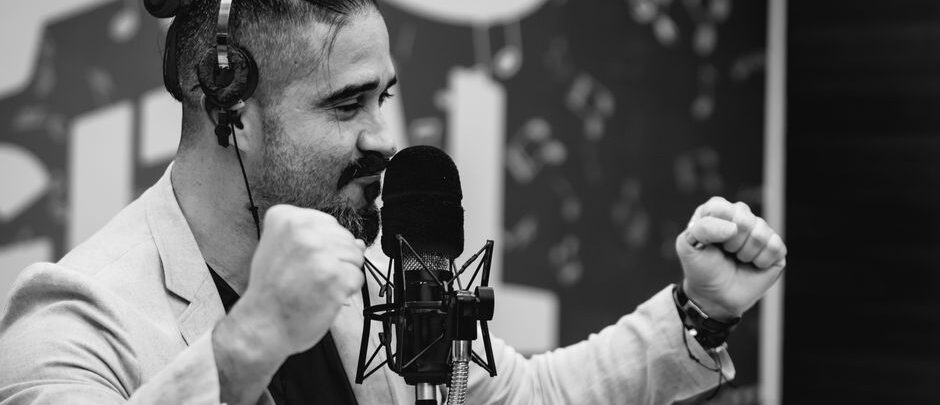
If you believe voice over work is just a matter of reading scripts into a microphone, try sitting in on a Bosnian ADR session at Sarajevo’s Studio Chelia. The reality? Even seasoned directors sometimes get blindsided by the quirks built into the language—and the regional politics that quietly shape which voices get heard, and where.
A Dub Isn’t Just a Dub
Let’s start with an oddity: in , when Netflix first rolled out its Balkan catalog for Croatian and Serbian viewers, there were no Bosnian-language audio tracks at all. A decade later, several major European platforms (RTL Hungary among them) still struggle to source native Bosnian talent for their dubbed series. It’s not about numbers—the diaspora is large—but about infrastructure. In practice, most mid-budget productions recorded in Bosnia still run through Zagreb or Belgrade for QC and post-production polish.
Inside a Sarajevo Workflow
I remember touring Studio Chelia during their localization project for Ubisoft’s Assassin’s Creed Valhalla (the expansion targeting Eastern European markets). Here’s how it played out: Ubisoft sent English scripts to Sarajevo, where translators worked closely with cultural consultants—Bosnia has three official languages but subtle dialectal divides. The entire workflow was managed in Audacity and Pro Tools, often using remote direction via Source-Connect because most of the narrative team was split between Montreal and Berlin.
The workflow looked like this:
- Translation draft by local linguists (3–4 days per episode)
- Cultural review by diaspora consultants in Vienna (2 days)
- Recording sessions with two main actors plus backup voices (usually freelancers cycling between radio gigs)
- Post-production shipped back to Paris for final mastering
A single hour of finished audio could involve seven different people across four countries, with roughly % of the budget going to language QA and retakes. For comparison, Norwegian or Dutch dubs typically see less than % spend on that step—mainly due to more standardized workflows.
Why “Bosnian” Still Gets Recast
One recurring frustration voiced by directors at Chelia: Western clients often ask for “neutral” Bosnian—that is, an accentless variety that doesn’t exist outside newsrooms or textbooks. The lived reality is messier; what reads as neutral in Sarajevo might sound distinctly regional in Banja Luka or Mostar. So casting becomes not just about talent but about political negotiation—do you risk offending viewers by choosing one city’s accent over another?
Local Streaming Wars: The N1 Case Study
The rise of N1 TV—a CNN-affiliated regional broadcaster—offers a telling case. Their original docuseries are now routinely dubbed for both Bosnian and Croatian audiences, often using overlapping talent pools due to tight deadlines. During their “Zaboravljeni Gradovi” project (“Forgotten Cities”), N1 tried outsourcing initial voice tracks to a Polish studio using AI-based synthesis from ElevenLabs. But after early episodes drew complaints from local critics—“robotic delivery,” “inauthentic nuance”—they reverted to live-recorded sessions back in Tuzla studios.
It was a logistics headache: overnight file transfers via WeTransfer; daily feedback loops; real-time script tweaks as historical experts flagged mistranslations unique to post-war context. By series end, nearly half the episodes had been recut with new voice actors—a budget overrun of almost % compared to initial projections.
AI Isn’t Ready Yet—But Watch This Space
In Germany’s localization sector, especially around Munich-based SDI Media Group (now part of Iyuno), there’s growing interest in AI tools like Respeecher for rapid prototyping foreign dubs—including rare languages like Bosnian. But adoption remains cautious: one senior engineer I spoke with described current synthetic voices as “passable for ad spots; nowhere near acceptable for drama.”
That said, pilot programs are underway—particularly around children’s animation where cost pressure is highest and audience tolerance for imperfections greater. If even % of short-form content shifts toward hybrid human/AI workflows by (a figure currently floated among European Union media panels), expect smaller Balkan studios to face tough choices on investment versus authenticity.
A Numbers Game That Isn’t Just About Numbers
Rough estimate: Only about two dozen full-time professional voice actors regularly work on major projects targeting the Bosnian market today. Compare this to Poland or Hungary (each supporting hundreds), and you begin to understand why schedules slip—or why one recognizable actor might be heard voicing both cartoon villains and toothpaste commercials within the same week.
Yet despite these constraints—or maybe because of them—the region produces some strikingly memorable performances. It isn’t rare for directors in Vienna or Berlin to request specific names from Tuzla or Zenica based purely on word-of-mouth acclaim rather than agency rosters.
What Gets Lost Between Tracks?
For global brands like Cartoon Network EMEA or Spotify Podcasts rolling out localized playlists across ex-Yugoslav countries, the choice between "Bosnian" and "Serbo-Croatian" tracks isn’t merely technical—it can spark social media storms if handled insensitively. In late , Spotify faced pushback when hip-hop artist Jala Brat found his releases grouped under generic Balkan tags rather than explicitly marked as Bosnian-language originals—a reminder that metadata matters as much as microphones.
Lessons From Small Studios With Big Reach
In Novi Sad, Serbia—not Bosnia itself—a boutique outfit called Voxell Studio has quietly carved out a niche producing multilingual e-learning modules including dedicated Bosnian versions for NGOs working in refugee education along EU borders since . Their pragmatic approach? Record everything twice—with both urban Sarajevo and rural Herzegovina accents—in order to future-proof content against inevitable client requests down the line.
That kind of redundancy isn’t cheap or efficient but reflects what real-world clients ultimately demand: not just linguistic accuracy but lived authenticity.