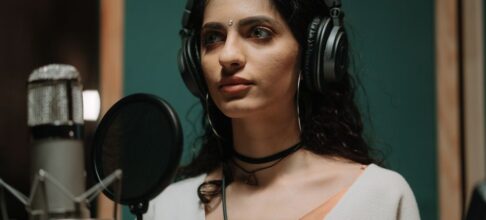
On a Thursday afternoon in , Copenhagen-based audio engineer Mikkel Jørgensen found himself patching together lines for a major streaming drama. The client—a US production company—insisted on the highest linguistic authenticity for its Danish release. But what does “authentic” mean when even Danes disagree about their own dialects?
The subtle science of giving voice to Denmark
Voice over isn’t just about reading words off a script. For Danish projects, it’s an ongoing negotiation between clarity and naturalness—sometimes at odds, especially when serving global content giants like Netflix or local broadcasters like DR (Danmarks Radio).
Recent years have seen a surge: since , localization requests for Scandinavian languages have jumped by at least % according to accounts from Nordisk Film Shortcut, one of Northern Europe’s busiest post-production houses. And Danish stands out as surprisingly tricky.
Not just a matter of language
A common misconception among non-Scandinavian producers is that "Danish" is monolithic. Yet anyone who’s sat through casting sessions at studios like SDI Media Copenhagen will attest to the fierce debates over regional accents—should you go neutral Copenhagen or let the Jutland softness in? In children’s animation, neutrality often wins; but in crime thrillers, casting directors sometimes seek voices tinged with specific regionality to match on-screen characters.
Why AI can’t fake hygge (yet)
While AI-powered tools like Descript or Respeecher are gaining traction in European workflows—especially for scratch tracks and rapid prototyping—they’re not yet foolproof with Danish. As a project manager at VoiceArchive (Aarhus) explained last spring, “AI mispronounces ‘r’ sounds or flattens intonation—suddenly your friendly shopkeeper sounds Swedish.”
For now, human voice talents remain essential. Casting typically involves live direction sessions via Source Connect or ipDTL, allowing clients in London or Berlin to shape performances remotely. This hybrid workflow became almost universal during the pandemic—and hasn’t reverted.
A brief detour: dubbing vs. narration
In Danish television history, full lip-sync dubbing was rare until children’s programming exploded on platforms like Viaplay around –. Before then, most adult imports used narration-style voiceover (the infamous "voice-over guy" reciting every line), seen on cult classics like the imported German detective series "Derrick." Now, especially for international originals aimed at young audiences, true-to-character dubbing is standard procedure.
Game studios pushing boundaries from Odense to Berlin
Gaming localization brings unique wrinkles. At Sybo Games—the Copenhagen studio behind Subway Surfers—the team regularly fields requests from localization partners seeking guidance on catchphrase delivery and urban slang authenticity. If a game targets both Denmark and Norway? Expect endless retakes until each version lands naturally with local testers.
Real-world hiccups: handling idioms and cultural references
Consider an e-learning project handled by Adrenaline Studios Oslo for deployment across Scandinavia in . Their challenge: adapt onboarding videos originally written in American English so they felt homegrown in Denmark—not just linguistically but culturally relevant too. One memorable snag involved translating workplace jokes involving coffee breaks (“kaffepause” has its own workplace ritual in Denmark) so they didn’t fall flat.
That last mile: distribution quirks and file formats
Deliverables are rarely one-size-fits-all; Danish projects frequently require split files per scene or micro-module for integration into apps used by municipalities (kommuner) or public sector training systems—a little-discussed but huge market segment since when digital learning mandates came into effect across several EU countries including Denmark.
Numbers tell part of the story:
- A standard campaign for children’s VOD content typically casts 6– distinct voices per season,
- Turnaround times have shrunk from weeks to as little as three days thanks to hybrid remote production,
- About half of all commercial voice overs in Denmark pass through less than eight specialized agencies operating between Aarhus and Copenhagen.
Final thoughts—if there are any definitive ones here:
Even seasoned post-producers admit there’s no such thing as a universally “correct” Danish voiceover style—it depends on audience age, genre expectations, and increasingly where your project sits on the AI-human spectrum.
But here’s what stays constant: whether it’s an indie studio localizing mobile games out of Odense or an international ad agency adapting campaigns for Nordic rollouts from Stockholm HQs, getting Danish right always means blending research-driven nuance with lived-in performance. The rest? Still up for debate—preferably over coffee.