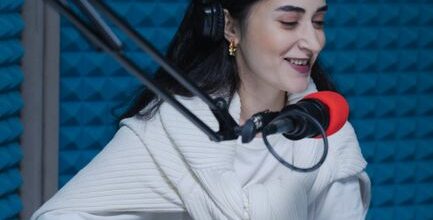
The first time an indie animation team in Sydney tried to cast an authentic Australian voice for their web series, they spent three weeks listening to auditions that sounded oddly similar—think Crocodile Dundee meets daytime radio. There’s a persistent myth that all Aussie voice over work must be broad, hyperbolic, and sun-baked. In reality, most commercial campaigns or streaming originals want something far subtler—a lived-in accent that feels real, not cartoonish.
This tension—between stereotype and the nuanced expectations of modern production—shapes the step-by-step process any creator faces when sourcing and shaping Australian voice over talent.
From Brief to Booth: The Real Casting Dance
A typical brief from a Melbourne-based agency these days is rarely more than a paragraph: "Warm, trustworthy, 30s-40s, native Australian accent (not too strong), conversational." But unpacking what “not too strong” means can take hours on Zoom calls between producers and clients.
In practice, casting directors at studios like Risk Sound in Sydney often sift through – reels per project for major retail campaigns. They rely heavily on platforms such as Voices.com or local database Showreelz—where a search filter for "neutral urban Australian" yields roughly matches as of early . At least half are working actors moonlighting between TV bit parts and e-learning gigs.
By contrast, smaller creative teams or game developers—like those behind the Canberra-based indie studio Witch Beam—typically lean on word-of-mouth recommendations shared in Discord channels or Slack groups. Their budgets don’t allow elaborate castings; instead, they’ll record tests via Source-Connect Now or simply patch in via Zoom.
Recording: Studio Days Aren’t Always Glamorous
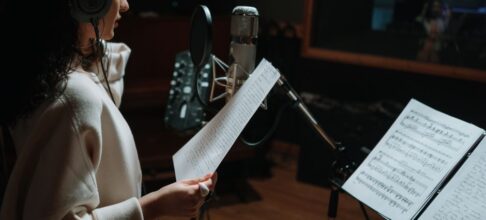
Let’s dispel another fantasy: Most Aussie voice recording happens not in plush sound booths but in home studios pieced together during COVID lockdowns (a trend that’s persisted). According to anecdotal surveys among freelancers on Facebook's "Australian Voice Artists" group (membership now above 5,), about % of commercial reads sent to agencies are recorded remotely.
One Brisbane narrator I spoke with last year described her setup: A wardrobe lined with duvets for soundproofing and a $ Rode NT1-A mic plugged into GarageBand. Producers at larger outfits like Deluxe Australia still insist on ISDN backups for high-profile clients—especially where sync-to-picture is essential—but remote workflows dominate mid-tier and digital-only projects.
A practical workflow? Here’s how it often goes:
- Script arrives by email (usually marked FINAL_v7.docx)
- Talent records wild lines at home within hours
- Files uploaded to Google Drive or Dropbox folder shared with agency or production house
- Feedback loop continues until no one can remember what was originally approved in the script meeting (this isn’t unique to Australia)
- Final takes delivered as WAV files for post-production polish
AI Voices: Threat or Tool?
Around late , conversations shifted from “Should we use AI voices?” to “How do we avoid sounding synthetic?” Several ad agencies tested ElevenLabs’ synthetic Aussie accents for explainer videos—the results were technically impressive but failed brand checks due to uncanny valley effects. At least one Sydney fintech startup tried full-AI narration for onboarding modules; feedback from users cited lack of warmth and relatability compared to even semi-pro human reads.
What’s clear: Human nuance still matters. But tools like Descript are used regularly as scratch-track placeholders during editing sessions before final voice sessions happen—a hybrid workflow now entrenched across creative teams nationwide.
Localisation Isn’t Just About Language Anymore
Netflix Australia’s push into original content around created fresh demand not just for English-language narration but regionally specific dialects—from Tasmanian lilt to Western suburbs slang. When FremantleMedia handled post-production on “Wentworth,” their audio leads mapped out which minor characters could carry slightly different regional inflections without distracting international audiences—a surprisingly granular approach that echoes practices seen at German dubbing houses adapting US Netflix shows into Hochdeutsch vs Berlinerisch dialects.
For global games releasing Down Under (think Ubisoft titles localized via Keywords Studios’ Melbourne branch), it’s common practice now to produce alternate character tracks—one broadly international English, one authentically Australian—to see which tests better with local playtesters. Internal data reportedly suggests about a –% higher engagement rate with authentically cast local voices among Australian players under age .
Budgets & Timelines: The Real Trade-offs
The median fee for a professional session with union-affiliated talent hovers around AUD $–$ per finished hour in major cities ( rates). For social media spots or podcast intros sourced via Airtasker or Instagram DMs? Rates drop fast—to AUD $–$ per segment—and quality varies wildly.
Turnaround times have also compressed sharply; where legacy TVCs might allow four days from casting approval to final mixdown, digital-first campaigns expect overnight delivery. This has driven the rise of freelance fixers able to handle both performance and basic editing—with some individuals voicing up to six brands per week from their spare rooms in Perth or Adelaide.
A Case From the Field: Green Ant Productions' Workflow Shift
In late , Green Ant Productions—a boutique content shop based outside Newcastle—landed an educational video contract with Tourism Australia targeting Gen Z viewers abroad. Instead of traditional studio sessions, they issued open casting calls on TikTok using #OzVoiceSearch hashtags. Within two days they received over submissions; five finalists were invited to record guided reads using Cleanfeed links from their homes. The result? A fresher blend of regional authenticity than previous campaigns relying only on agency rosters—and a process ten times faster than pre-pandemic workflows.
The lesson here isn’t that old-school methods are obsolete—but rather that creators willing to experiment with both new tech and unconventional talent pools can unlock richer vocal identities without blowing deadlines or budgets.
authenticity > archetype
every successful campaign I’ve observed lately comes back around to this principle—even if it means pushing back gently against client requests for “just make it sound more Aussie.”
beyond borders — future flows
demand is rising beyond national borders too; several LA-based podcasts have tapped Queensland narrators specifically for serialized true crime shows aimed at UK/US listeners craving something distinct yet intelligible. Platforms like ACX report year-on-year increases (in the low double digits) for audiobooks produced by Australians—not just exported abroad but consumed locally as well.
in summary — if there is such a thing here — sourcing and producing an effective Australian voice over isn’t linear nor formulaic anymore; it’s shaped by shifting tastes, tech evolutions, budget realities and global cross-pollination—all unfolding live inside messy Dropbox folders somewhere between Melbourne alleyways and outback living rooms.