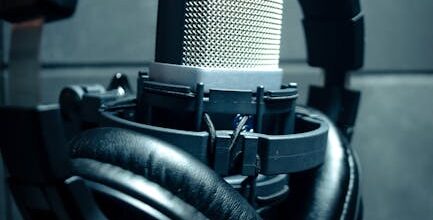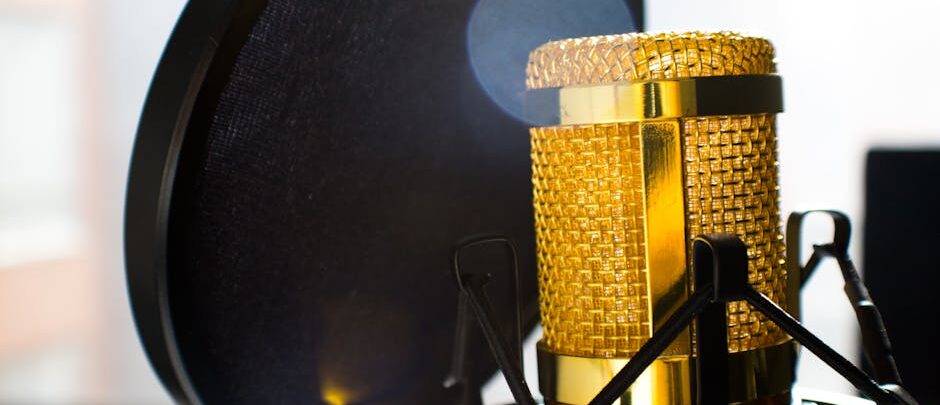
If you want to know what makes the Georgian voice over industry tick, start in a basement studio off Rustaveli Avenue, where a battered Neumann mic sits next to a stack of scripts from three continents. It's here that Eka Dolidze—voice actress, linguist, and unofficial fixer for half the region’s localization projects—once recorded dialogue for Netflix’s first-ever full-series Georgian dub (it was “Lupin,” not "Stranger Things" as most people assume). The session lasted until nearly 2am because the French-to-English-to-Georgian pipeline had broken down twice that week. No one remembers how many takes it took, but everyone remembers the pizza ran out before midnight.
Forget what you think you know about voice over work. In Georgia, it isn’t just studio time and smooth reads—it’s a patchwork of translation headaches, equipment that predates smartphones, and the ever-present question: “Who’s actually going to watch this?”
A Brief Detour: From Soviet Dubbing to Streaming Giants
The story didn’t begin with streaming platforms. In the late ‘80s, Tbilisi TV studios were already dubbing Soviet films into Georgian using a single male narrator who read every line—male or female—in an oddly monotone style locals called "the newsreader effect." It was less performance, more survival.
Fast forward to : major platforms like Amazon Prime Video quietly launch localized content in Georgia. Suddenly, demand surges—by some estimates from local post-production houses such as Studio Kontakt and CineLab Studio, requests for full-cast dubbing grew by % between and . But there’s a catch: the infrastructure wasn’t ready for binge-watchers raised on pristine Disney Channel dubs.
Case Study: CineLab Studio's Patchwork Pipeline
Inside CineLab Studio—a mid-sized facility tucked behind a nondescript office block in Saburtalo—the workflow is anything but streamlined. When they landed their first big game localization contract with Warsaw-based developer Techland in (for an expansion pack of "Dying Light"), no one had attempted interactive dialogue at scale in Georgian before.
The process? Start with translation teams working off English scripts peppered with Polish idioms; run sample lines through AI-assisted tools like Respeecher (which barely supports Kartvelian phonetics); then cast actors familiar with both gaming jargon and regional dialects. If even one actor missed a session due to Tbilisi traffic—a common scenario—the whole schedule shifted. What should have been a four-week project stretched into six.
“We ended up mixing lines from three different actors for one NPC character because we literally couldn’t get them all together at once,” says Giorgi Meladze, sound engineer at CineLab. He laughs now—but only because the client never noticed.
The Curious Case of Ads (and Accents)
While global streamers bring prestige jobs, much of Georgia’s voice talent pays rent by voicing everything from Turkish shampoo spots to Polish banking apps. Ad agencies like Holmes&Watson routinely request lightning-fast turnarounds on regional campaigns targeting Batumi or Kutaisi—often requiring subtle accent shifts that only native speakers catch.
A recurring situation? A product video needs both "standard" Tbilisi-accented narration and an Imeretian-flavored variant for Western Georgia’s market—a detail that non-Georgian producers almost always miss during planning calls.
This creates odd production cycles where sessions are bookended by frantic WhatsApp exchanges about whether “kh” should sound aspirated or not in Kutaisi promos (the answer changes every year).
Not All That Glitters Is Streaming Gold
AI has arrived—but not as disruptively as LinkedIn posts would have you believe. Studios have experimented with ElevenLabs’ multilingual synthetic voices since early ; so far, these tools are used mostly for scratch tracks or internal demos rather than broadcast-ready content.
“In practice,” admits Tamuna Gogoladze at PostPro House (a boutique post shop handling French-into-Georgian audiobooks), “we spend more time correcting machine-generated phrasing than if we’d just hired another junior voice artist.” Still, she notes that roughly % of their audiobook prototypes now use AI voices in initial drafts—a figure expected to double within two years given rising output demands from European publishing partners.
The Untold Value of Local Fixers—and Linguistic Fences
Perhaps what sets Georgia apart is its reliance on fixers: people like Eka Dolidze who straddle roles as voice talent wrangler, translation consultant, and cultural gatekeeper. When Apple Music prepped its soft-launch promo campaign for Tbilisi listeners last fall—with agency creative directors dialling in from Berlin—they needed someone who could explain why certain idioms simply don’t cross into Kartuli without raising eyebrows or laughter.
Without these insiders? You end up with ads that sound like parody—or worse, dubs so flat they’re unwatchable outside focus groups.
Numbers May Be Elusive—But Reality Bites Harder Than Data Sheets
There are no precise metrics for Georgia's slice of the $5 billion global localization pie; most project budgets are shared via handshakes and hushed phone calls rather than spreadsheets. Anecdotally though: at least five Tbilisi studios now service regular contracts from France’s TF1 Group and Poland's CD Projekt Red (whose last RPG release included secondary language support experiments).
Conservative estimates put annual revenue growth at mid-tier studios around % since —with peaks tied directly to streaming platform expansions or mobile game launches across Eurasia.
Final Take: Why This Industry Refuses to Be Neatly Packaged
Georgian voice over thrives on improvisation—not just technical skill but cultural negotiation in real time. Every project is part workaround, part creative leap; every successful campaign owes something to unsung linguists navigating between worlds old and new.
And somewhere beneath those cracked foam panels in downtown Tbilisi—you’ll still find Eka recording her fifth take while someone tracks down more pizza.