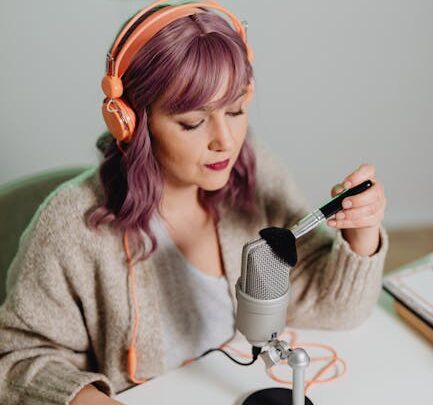
There’s a quiet tension in the world of media localization. Ask nearly any project manager at a streaming platform or an audio post house from Berlin to Tehran, and they’ll tell you: viewers don’t just want translation; they demand authenticity. Yet, for years, Persian-language content lived on the margins—until Farsi voice over broke through in unexpected places.
Why Dubbing Once Failed Farsi Audiences
Start with a contradiction: Iran’s population exceeds million, and Persian speakers stretch across Afghanistan, Tajikistan, and even sizable diaspora communities in Toronto and Hamburg. The numbers say scale. Yet until the late 2010s, most international films and series available in Iran came with amateurish fan-made subtitles or clunky overdub tracks, usually produced by micro studios working far outside major industry hubs like Los Angeles or London.
In reality, few global studios invested in true Farsi voice over before . According to several localization consultants who spoke off record during IBC Amsterdam’s show floor—where Disney+ first previewed its Middle East strategy—the main deterrents were regulatory uncertainty and technical bottlenecks. Iranian regulations fluctuated almost yearly; meanwhile, Western dubbing vendors lacked native-speaking talent pools and standard workflows for Persian dialects.
Netflix's Unlikely Test Case: "Money Heist" in Tehran
Consider Netflix’s experience as one inflection point. In early , following months of quietly tracking viewership spikes from VPN traffic originating in Iran (Netflix itself is not officially available there), the company authorized a test run: full Farsi voice over adaptation for select blockbuster series.
“Money Heist” (“La Casa de Papel”) became ground zero. Rather than route production through Madrid or London—as was done for Arabic dubs—Netflix contracted a mid-sized post-production studio based in Istanbul with Iranian expatriate staffers on hand. The workflow? Cast selection ran remotely over Zoom auditions; scripts were localized by dual-national writers used to code-switching between English and colloquial Tehrani slang. Recording sessions happened overnight due to time zone differences; final QA involved streaming encrypted files directly to trusted viewers in Shiraz.
Within six weeks of launch on the regionally restricted Netflix MENA portal (using geofencing workarounds), internal data suggested that nearly % of all Farsi-preferring users chose dubbed audio over subs—a higher-than-anticipated engagement rate compared to traditional subtitle offerings.
When Brands Get It Wrong—and Right—in Dubai Media City
It isn’t just about entertainment juggernauts. In Dubai Media City, where dozens of regional ad agencies operate hybrid teams (often comprised of Iranians holding UAE residency), Farsi voice overs routinely anchor pan-Gulf campaigns—even when targeting cities like Mashhad or Isfahan rather than Dubai proper.
A telling contrast emerged during Ramadan : two rival telecom brands released family-oriented TVCs back-to-back on satellite channels like GEM TV and Manoto. One leaned on generic stock voices from expat actors based in Frankfurt; the other tapped into an actual Iranian studio (Studio Ava) operating out of Karaj.
The result? Social media chatter revealed that only the spot using homegrown talent prompted significant word-of-mouth sharing among Iranian Telegram channels—a metric that local agencies now treat as critical ROI data, since official audience measurement tools are patchy at best inside Iran.
Historical Footnotes: Dubbing’s Rocky Roots Post-Revolution
Historically, film dubbing has always been politically charged in Iran. After the revolution, state-run IRIB mandated strict guidelines for imported content; certain genres simply vanished from airwaves unless re-scripted entirely by government-approved writers.
Through the ‘80s and ‘90s this created an unofficial secondary market—private studios (some as small as three-person teams) recording dubs late at night using borrowed equipment sourced via Istanbul or Moscow contacts. By the mid-2000s, Internet piracy spawned new voices—literally—with amateur collectives like "Iran Voice Artists Group" distributing fan-dubbed versions of everything from Korean dramas to French animated features via Telegram channels with tens of thousands of followers.
What changed? Two things: improved access to digital recording gear after sanctions eased briefly around -; and the arrival of cloud-based collaborative tools such as Source Connect Standard (widely adopted by mid-size Persian-language studios since roughly ). Suddenly you could cast top-tier narrators living anywhere—from Yerevan to Vancouver—and deliver broadcast-quality audio direct into Tehran edit suites overnight.
Modern Workflow Realities: A Polish Studio’s Foray Into Persian Localization
Case study time: Warsaw-based localization shop LocDirect had never tackled Farsi projects until approached by a French documentary distributor wanting to break into Iranian VOD platforms around late . Their challenge wasn’t just linguistic—it was political risk management too.
LocDirect built their pipeline as follows:
- Assembled a core team featuring two Iranian-born linguists now residing in Krakow;
- Integrated AI-powered timing software (they chose Voquent’s proprietary toolkit);
- Held virtual casting calls leveraging both Parisian-Iranian actors and freelance narrators based out of Tabriz;
- Ran their first pilot episode past moderators active on Instagram pages frequented by young Iranians living abroad for informal feedback loops.
Final delivery required multiple sound mix passes—not only because Farsi phonemes can swamp Western dynamic ranges but also due to censorship requirements embedded within some client contracts (certain phrases swapped post-mix at client request).
The result? Within four months LocDirect received requests from two more French VOD suppliers seeking similar pipelines—indicating real demand ripple effects beyond initial pilots.
Gaming Enters the Fray – And Stumbles First Time Out
Gaming companies are slowly waking up too—but not without missteps. An Australian indie game publisher attempted a multi-language launch for their narrative title "Shadow Caravan" in early targeting Steam users worldwide—including substantial numbers logging on from Iran via VPNs or mirror sites like CafeBazaar.ir.
Their approach was textbook…for European languages: batch script extraction → Google Translate pass → freelance proofreader polish → quick actor session with Melbourne-based voice talents reading phonetically off transliterated scripts. But when beta keys circulated among Persian gaming YouTubers based in Mashhad, feedback was brutal—awkward accents killed immersion instantly, memes followed within hours (“This character sounds Armenian!” read one viral tweet).
After regrouping with advice from Dubai-based Middle East Game Audio Guild members—and hiring native Iranian actors via SoundBetter—the relaunch landed much better reviews from local influencers who praised it as “finally sounding like home.”
Beyond Borders: Diaspora Powerhouses Shape Standards
Don’t underestimate diaspora influence either—especially cities like Los Angeles’ San Fernando Valley where some estimate up to half a million Iranians reside today according to USC research published around . Independent documentary makers routinely tap these networks for authentic narration talent unavailable inside Iran itself due to travel restrictions or creative taboos.
iGabriel Media—a boutique LA post house specializing in festival circuit documentaries—noted that demand for Farsi VO grew nearly threefold after platforms like Amazon Prime Video expanded foreign language support options circa late . Their typical workflow now includes remote table reads across time zones spanning Tehran-LA-London before principal VO sessions even begin—a pattern increasingly mirrored by rivals from Toronto’s North York district down to Sydney’s multicultural suburbs where smaller but vocal Persian communities shape local ad markets too.
Metrics That Matter Now—and What Industry Eyes Next
is this niche or mainstream? Numbers tell an evolving story:
iMedia Monitor reported that between – usage rates for dubbed versus subtitled content among Iranian users jumped from under % choosing dubs to roughly one-third opting-in when high-quality native VO was available—a trend mirrored in Afghan markets but less so among Tajik audiences who still prefer subtitles due partly to accent divergence issues unique to Central Asia.
iMeanwhile major AI-driven text-to-speech providers like Descript have begun supporting basic Persian modules since mid-, though live industry observations suggest human-in-the-loop remains standard for anything above short-form web video due both cultural nuance demands and unpredictable censorship overlays especially common on public-facing content destined for domestic platforms such as Namava.ir or Filimo.com (each boasting millions of active monthly users domestically).
iWhere does this leave us? Not quite mainstream yet—but no longer niche either. Genuine Farsi voice over has moved well past curiosity status thanks largely to cross-border collaboration patterns invisible just five years ago—a shift visible both on screen…and behind every microphone.