Nobody talks about the moment a campaign falls flat because of a voice. It happens more often than any marketing team wants to admit, especially when brands try to “localize” with the wrong sound. In , an Amsterdam agency recut a global fast-food spot for the U.S. market—same visuals, same slogan, but swapped in a thick London narrator. The digital feedback was brutal: comments ranged from “Is this supposed to be British or American?” to “Feels off for New York.” Sales in target regions saw no lift. A simple voice decision became a six-figure lesson.
This isn’t rare. For decades, American Voice Over has remained the secret weapon for marketers wanting to connect with North America—and increasingly, global audiences who associate that accent and cadence with entertainment, aspiration, and trustworthiness. Yet few outsiders see how much weight rides on picking (and producing) that perfect sound.
Why Marketers Chase That "American Sound"
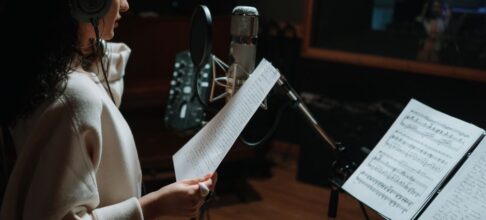
It’s tempting to say it’s just about accent or language—but it’s not. I remember sitting in on a session at SideLA Studios in Los Angeles back in . Netflix was prepping trailers for their international originals launching stateside, and producers argued over which voice talent could "feel mainstream" without sounding too generic. They tested three options with focus groups in Dallas and Chicago: one neutral American male, one energetic female from Atlanta, and one transatlantic type who sounded like BBC Radio One trying hard to sell Disney+. The feedback? Viewers trusted the Atlanta read most—"more relatable," they said—even though her voice wasn't technically neutral.
In real media buying circles across the U.S., agencies will routinely swap out even highly polished UK or Australian narrations for local reads before Super Bowl ad slots or Spotify campaigns. There's data behind this: according to Veritonic's annual audio benchmark study (), ads voiced by native Americans tested up to % higher on brand recall among U.S. listeners compared to those with non-American English accents.
Workflow Realities: Production Inside U.S. Studios
Walk into a mid-tier localization shop like TransPerfect's New York office during campaign season and you’ll see spreadsheets full of voice profiles—age ranges, tone descriptors (“warm”, “sardonic”, “Gen Z energy”), regional accents cross-referenced against target DMAs (designated market areas). It's not just about hiring an actor; it’s auditioning dozens for mood fit and pacing.
For product launches aimed at Gen Z buyers in San Francisco versus retirees in Phoenix, studios commonly record multiple versions using different American voices—one might lean slightly Californian, another play up classic Midwest neutrality—then A/B test on Instagram reels or YouTube pre-rolls.
Even SaaS companies get meticulous here: Asana’s video explainer series shifted from an upbeat British narrator in early pilots () to an American female professional after user metrics showed higher engagement rates among U.S.-based enterprise customers when they recognized subtle intonations more closely aligned with Silicon Valley tech culture.
Global Platforms Demand Localized Authenticity
When Tencent launched its streaming app WeTV across North America in , its initial Mandarin-to-English dubs used actors trained on standard RP (Received Pronunciation) English—a choice that alienated younger viewers tuned into Marvel movies and Netflix originals voiced by Americans. Within two quarters, user time-on-app rose over % after switching dubbing projects to L.A.-based studios specializing in authentic American performances.
A similar trend played out among German mobile game publishers localizing titles for Apple Arcade: Berlin-based HandyGames moved away from generic international English tracks after tracking negative user reviews calling the voices "robotic" or "unnatural." By late , HandyGames had established ongoing contracts with Texas-based voice casting agencies like Okratron —best known for their work on anime—for every major U.S. content drop.
Beyond Language: Subtext and Cultural Coding
There are subtleties only insiders appreciate until they go wrong at scale: An insurance company runs TV spots across Minneapolis featuring what they assume is a plain Midwestern narrator—turns out she grew up outside Toronto. The slight lilt triggers subconscious doubts among older viewers who’ve grown up equating certain vowels with “otherness.”
And then there’s timing and delivery style: In European studios (think Paris or Warsaw), directors sometimes coach actors toward flatter deliveries thought universal—but American audiences expect dynamic inflection arcs that match domestic radio traditions going back decades (hello Casey Kasem).
Studio workflows reflect this difference: Real-time remote sessions between French creative teams and New York-based VOs have become common post-; Pro Tools sessions run live so that European producers can direct nuance phrase-by-phrase while ensuring final reads still pass muster for U.S.-centric ears.
Tech Disruption Isn’t Replacing Human Nuance… Yet
AI voice tools now simulate convincing American-sounding narrators at scale—a trend led by Descript’s Overdub since early —but experienced campaign managers stay cautious. In practice at mid-sized ad agencies like TBWAChiatDay LA, synthetic voices are mostly deployed for internal drafts or rapid prototyping; final client-facing content almost always reverts back to union talent recorded under direction.
One producer told me bluntly last year: "Our quick-turn TikTok promos use AI voices maybe half the time... but anything big-budget? Clients want real people—they still hear something 'off' if it's fake." Roughly –% of broadcast-ready spots at top five L.A. creative shops remain human-voiced as of late despite rapid improvements in synthetic vocal fidelity.
When Brands Bet Wrong on Voice Identity
There are cautionary tales everywhere if you look close enough:
- An Australian fintech startup tried breaking into New York markets using their founder's own narration (Sydney raised); engagement stalled until they hired Boston-based VO artists through Voices.com—the switch yielded measurable upticks in user signups within weeks.
- In Poland’s indie gaming scene circa –, developers frequently launched Steam releases with non-native English narration due to budget constraints—but those who upgraded later reported double-digit increases in positive reviews from North American players following updates featuring regionally appropriate VO talent sourced via US-based platforms like Voice123.
- Even global fitness brands aren’t immune: Peloton’s first expansion videos into Canada used broad US accents rather than tailored regional tones; Canadian users flagged this as “inauthentic” online—a detail Peloton addressed directly by rolling out new content voiced by Toronto actors within six months (late ).
The Never-Ending Debate Over Neutrality Versus Specificity
Marketers love talking about authenticity but dread picking sides between hyper-local color and bland universality. Some argue for the broadest neutral possible; others chase quirky regionalisms that risk confusing national audiences but nail micro-targeted segments (think Boston versus Seattle).
What actually happens? Most big brands run both—in parallel pipelines—with market research dictating which gets prime placement once results come back from test flights in select cities or audience panels run through Qualtrics or Nielsen platforms.
A current pattern at multi-market agencies is running modular productions where core content stays fixed while swapping out VO layers tailored per region—a model borrowed from Netflix localization playbooks dating back to their European launches circa mid-2010s.