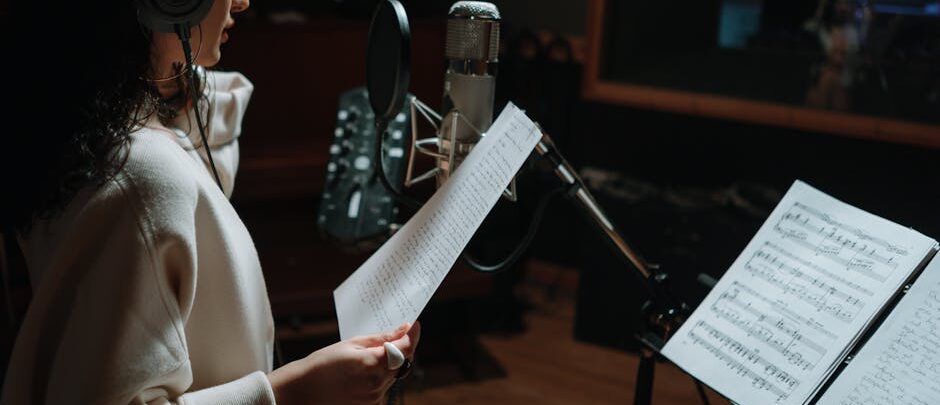
The Origins of American Voice Over
Voice over as a professional craft in America dates back to the early 20th century with the rise of radio broadcasting in the 1920s and 1930s. Early voice over talents specialized in radio dramas, commercials, and public service announcements. At this time, the American VO style was characterized by a clear, authoritative, and often formal tone influenced by theatrical traditions.
Key Characteristics of Early American VO
- Formal diction and clear enunciation
- Dramatic flair influenced by theater and radio drama
- Limited regional accents, with a focus on General American English
- Predominantly male voices in lead roles
- Improved audio recording quality with digital tools
- Shift from analog to digital distribution broadening reach
- Increased accessibility for voice talents to home studios
- Early adoption of computer-generated voices for certain applications
- A study published in the *Journal of Media and Cultural Studies* found that consumers increasingly value authenticity in voice overs, encouraging the rise of regional accents such as Southern, New York, and African American Vernacular English (AAVE).
- A industry survey by Voices.com revealed that brands prefer relatable and diverse voices for better audience engagement.
- The casting process now often seeks voices that represent gender fluidity and various ethnic backgrounds.
- VO artists collaborating with AI to produce faster content
- Ethical considerations regarding synthetic replacements for human jobs
- New creative possibilities for character voices in gaming and virtual assistants
- Voices.com. (). Voice Over Industry Diversity Survey.
- Journal of Media and Cultural Studies. (). Authenticity in Voice Over: Regional Accents and Cultural Representation.
- MIT Media Lab. (). Advances in Neural Text-to-Speech Synthesis.
- Smith, J. (). The Evolution of Voice Over in American Media. Broadcast Journal.
These conventions established a standardized voice over style that was easily understandable across a diverse American audience and suitable for emerging media platforms.
Technological Innovations Accelerate Voice Over Evolution
As technology advanced, so did the American voice over industry. The introduction of television in the 1950s expanded opportunities, with voice over artists lending their voices to commercials, TV shows, and animations. The 1980s and 1990s saw further innovation with digital recording technology, allowing for higher quality production, editing flexibility, and remote voice sessions.
Impact of Technology on American VO:
Moreover, the internet boom of the late 1990s and 2000s opened the door for new VO formats such as video games, e-learning modules, and internet ads. Today, emerging technologies like AI voice synthesis and virtual reality continue to transform voice over content creation and delivery.
Cultural and Demographic Influences on Modern American VO
The American demographic landscape and cultural norms have drastically shifted over past decades, leading to a more diverse voice over industry. The historically dominant “neutral” American accent has given way to a richer variety of regional and multicultural voices reflecting the complex American identity.
Research Highlights on VO Diversity:
This shift not only caters to inclusivity but also enhances brand storytelling by connecting more personally with varied American audiences.
The Rise of New Genres: Podcasts, Audiobooks, and AI Voice
In recent years, American voice over has expanded far beyond traditional commercials and animation. The podcast boom has created opportunities for conversational, intimate VO styles that contrast with the more formal commercial voice. Audiobooks require nuanced performance skills from VO artists, blending narration and character acting.
AI and Synthetic Voices in American VO:
Artificial Intelligence has introduced synthetic voices that can mimic human speech patterns convincingly. Research from MIT Media Lab in shows that advanced neural text-to-speech models generate voices nearly indistinguishable from human voice overs under certain conditions.
Implications Include:
Future Trends in American Voice Over Industry
Based on current research and market analysis, the American voice over industry is poised to continue evolving with several trends expected to dominate:
1. Hyper-Personalized Voice Content
Brands will increasingly use data analytics to tailor VO messages for niche audiences using varied vocal tones, accents, and emotional inflections.
2. Remote and Global Talent Pools
The rise of remote recording technology will allow American producers to hire diverse talents globally, enhancing the multicultural dimension of American VO.
3. Integration of AI and Human VO
Rather than replacement, AI voice synthesis will complement human artists, especially for rapid content generation and low-budget projects.
4. Greater Emphasis on Storytelling and Emotion
With audiences craving authentic connections, VO artists will focus more on emotional delivery and narrative skills.
Conclusion
The American voice over industry has undergone a dramatic, research-supported transformation that reflects broader technological, cultural, and social changes. From the formal, theatrical roots of early radio to today’s diverse, AI-infused landscape, American VO continues to adapt and innovate. This ongoing evolution promises exciting new opportunities for voice talents, producers, and audiences alike — shaping the sound of America’s media for generations to come.
---
*References:*
---
By understanding the research behind these changes, industry stakeholders can better navigate the future American voice over landscape with innovation and inclusivity.