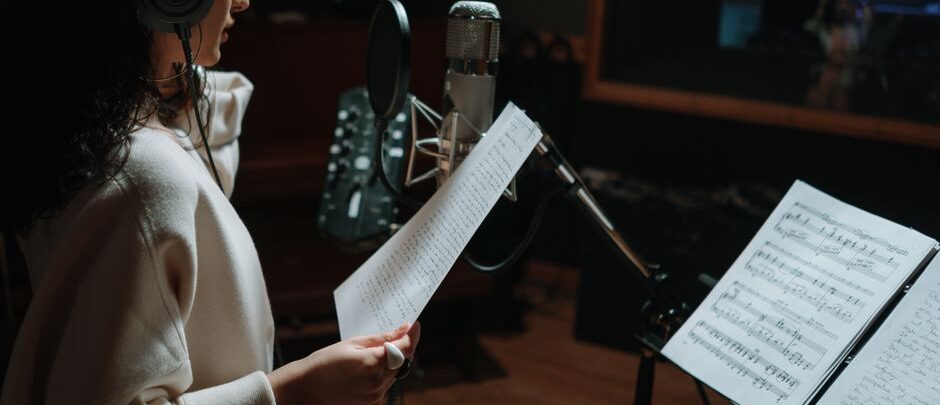
The first time you set foot in a mid-tier Prague recording booth, something feels off-kilter. Not the gear—Neumann mics, soundproofed walls, faded coffee mugs—but an energy in the air. Someone is about to voice a dragon, a phone operator, or perhaps a slightly-too-eager TV ad narrator. None of it seems momentous until you realize how much these voices shape what we see and hear every day across Central Europe—and increasingly, far beyond.
A 1990s Hangover and the Netflix Pivot
Let’s rewind: Czech dubbing has roots in the late socialist era. By the early 1990s, as Western media flooded in post-Velvet Revolution, small studios like Studio Virtual and Barrandov started scrambling to localize imported content for TV networks. The process was assembly-line efficient but far from glamorous—directors wrangling actors with minimal prep time, scripts translated overnight, and everyone hoping nobody noticed the lip sync drift.
Fast forward three decades. In alone, more than hours of international series were dubbed into Czech for streaming platforms like HBO Max and Netflix according to industry estimates shared by localization managers at Bontonfilm. That’s not counting video games and radio ads.
But here’s where things get interesting: while global giants dominate volume work (think Disney+ bringing in Prague-based SDI Media for mass localization), there’s a parallel surge of boutique agencies handling nuanced projects—especially for smaller indie game studios or specialized e-learning modules.
How Czech Voice Over Is Actually Made—Not Just Theoretically
A typical production workflow? Let’s say Bohemia Interactive—a Brno-based game studio known for "Arma" and “DayZ”—wants to localize its new title for Czech audiences:
Contradictions: Big Budgets Meet Shoestring Realities
Here’s the rub: while some Prague studios land contracts worth tens of thousands of euros (Netflix's Witcher Season 2 reportedly paid local actors above-average rates), many smaller outfits hustle just to stay afloat on social media campaigns or educational narrations billed at €– per finished minute—a rate that barely covers basic costs once agency cuts are factored in.
In Brno last year, I observed a freelance director juggling four gigs simultaneously: an insurance promo for Česká pojišťovna during mornings, children’s audiobook sessions after lunch breaks, AI-driven corporate explainer videos by afternoon—all stitched together through WhatsApp calls and Google Drive file swaps between actors scattered from Ostrava to Plzeň.
Who Gets Hired? The Local Talent Paradox
Unlike English-language markets flush with full-time VO professionals, Czech voice over is still largely dominated by part-time actors moonlighting from theater troupes or film backgrounds. Out of roughly active practitioners across the country (based on union registry data), only about –% support themselves solely through voice work—a figure cited repeatedly by agents at Voicoo.cz since their founding in .
This dynamic creates odd patterns: established names like Zdeněk Mahdal (the iconic voice behind dozens of Hollywood imports) get steady bookings for blockbuster films or premium ad spots; meanwhile, young hopefuls chase scraps on Facebook groups where producers sometimes audition ten voices per minor role at rates bordering on hobbyist levels.
AI Arrives… Awkwardly At First
No deep dive today can ignore artificial intelligence’s awkward entrance onto this stage. Since mid-, some startups have experimented with synthesized Czech narration—for example Respeecher (a Ukrainian-founded AI voice platform) tested beta models trained specifically on Slavic languages including Czech for audiobook applications and e-learning modules targeting EU markets.
In practice? Results remain mixed. Several audio engineers I spoke with at Studio Fontána report that clients seeking AI-generated tracks almost always request last-minute human “touch-ups” after test listeners complained about robotic cadence or mispronounced dialectal inflections (“ř” remains notoriously tricky even for non-native speakers). Industry insiders estimate that less than 8% of current commercial output uses fully synthetic voices—but every year brings incremental improvements and greater adoption pressure as budgets tighten post-pandemic.
Case Snapshot: Indie Game Launch Goes Local
Take the case of Amanita Design’s quirky adventure release "Happy Game" (). To coincide with its Steam debut in Central Europe, Amanita outsourced their promotional trailer narration to Prague-based agency Dubbing Brothers CZ:
- Six candidates were shortlisted based on previous animation credits;
- Sessions ran back-to-back over two afternoons due to tight deadlines;
- Final versions were mixed both in standard Czech and Moravian-accent variants—a nod to fan requests observed during earlier releases;
- According to internal reporting shared by Amanita staffers post-launch, localized trailers accounted for nearly a third more pre-orders from domestic players compared to prior English-only promos—a testament not just to cultural resonance but also savvy use of local VO talent pools even within lean indie budgets under €5k per campaign cycle.
Beyond Film & Games: Corporate and E-Learning Use Cases Multiply
Czech voice narration isn’t confined just to entertainment anymore. In real B2B settings around Prague Business Park offices—or scattered remote desks since mid-—multinationals like Siemens have steadily increased demand for safety training modules voiced natively rather than relying on stiff English overdubs plus subtitles. One HR manager told me their internal surveys found knowledge retention jumped nearly % when onboarding materials used fluent native speech rather than generic pan-European English tracks edited offshore.
Similarly, automotive supplier Škoda Auto began piloting quarterly employee podcasts narrated by seasoned public radio presenters starting summer ; management reported higher completion rates and positive feedback compared to previous text-heavy newsletters—suggesting that well-crafted VO isn’t just nice-to-have polish but an ROI-positive investment even outside traditional media spheres.
Pitfalls No Guidebook Warns You About
a) Licensing headaches abound if you expect your first gig will be simple royalty-free fare; most freelancers discover quickly that usage rights negotiations (regional vs global distribution) add layers of complexity rarely explained upfront—even before GDPR paperwork enters the mix post- EU regs.
b) Pronunciation quirks become landmines whenever scripts feature branded terms (“YouTube”, “iPhone”) whose localizations remain contested among purists versus marketing departments wanting international consistency—one studio session I witnessed devolved into a heated debate over whether "Facebooku" needed grammatical declension mid-sentence!
c) Scheduling chaos is endemic: try syncing six busy actors’ calendars plus one sound engineer around school holidays; more than one project manager has confessed they rely on Doodle polls as mission-critical tech just below their DAW software suite.
d) Technical constraints persist despite advances—background noise from home booths spiked nearly threefold during pandemic peak months according to crowd-sourced logs kept by Voicebooking.com partners servicing CEE region clients between April–October .
e) Finally—the unspoken rule: never promise perfect lip-sync without enough retakes budgeted! Even seasoned pros admit animated features still trip up timing no matter how careful your initial pass sounds live.