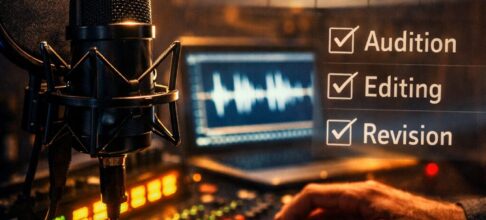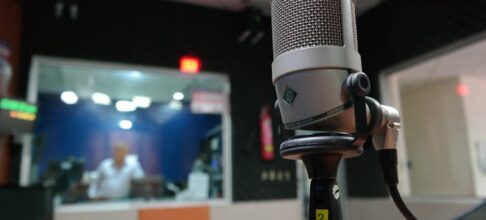
A little after , a mid-sized Sydney creative agency was juggling three major TVC campaigns for streaming platforms. They needed local authenticity—an Australian sound that resonated with an audience exhausted by imported American and British inflections. At the time, most voice over production still meant in-person sessions at studios like Sound Reservoir or Song Zu, both of which had built reputations on crisp broadcast-ready audio and a Rolodex of seasoned voice talent.
But fast-forward to and the pipeline looks radically different—not just in Australia but globally. Remote recording is routine; AI sampling tools are quietly shaping auditions; even major players like Netflix have begun requesting alternate cuts with distinct regional accents—including Australian—for their APAC catalogues.
Disappearing Booths: When Home Studios Outsmarted Paddington
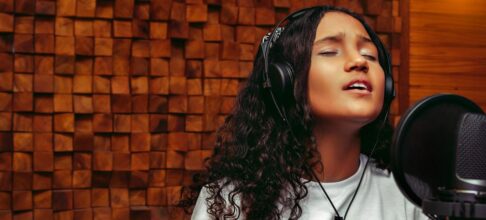
Ask anyone who's worked a campaign for SBS or Nova Entertainment recently, and you’ll hear some version of this: “The main booth’s booked out? No worries—let’s patch in from Melbourne.” The reality now is that nearly half the voice over work managed by Sydney-based agencies involves remote talent, working from acoustically-treated home setups somewhere between Byron Bay and Ballarat.
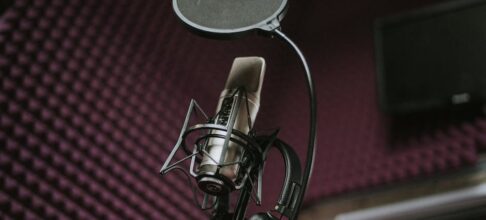
This isn’t just pandemic residue. In a recent month-long campaign for an e-learning startup, production house The Acme Collective sourced all narration via cloud collaboration platforms (think Source-Connect paired with Google Workspace), sending direction live while a Perth-based actor recorded takes into a Neumann TLM wedged between two mattresses. The editing happened overnight—literally—with files bounced from Brisbane to Mumbai before sunrise.
AI Casting: A Double-Edged Sword?
Of course, technology brings its own complications. In late , several Australian ad agencies began experimenting with ElevenLabs’ text-to-speech tools as part of initial casting rounds. Rather than sift through human auditions per character read, producers generated demo voices using sample scripts and then shortlisted real actors who could match or improve on the AI’s delivery. For high-volume projects (think supermarket radio spots or microlearning modules), this hybrid approach slashed audition times by around % according to one Melbourne project manager.
Yet there’s tension here: some veteran artists worry about being leapfrogged by synthesized voices indistinguishable from real Australians—or worse, being asked to license their own vocal signature for automated use. As one anonymous Brisbane narrator put it last year during an industry roundtable: "If you can make me say anything with five minutes' footage…who owns my future gigs?"
Regional Nuance Still Matters (and Sells)
Despite digital workflows—and perhaps because of them—a distinctly local flavor has become more valuable than ever. This came into sharp focus when indie game studio League of Geeks (Melbourne) released an update for their strategy title "Armello" in featuring fully voiced characters tailored for different English dialects. Early playtests showed that Australian-accented tracks boosted domestic engagement scores by nearly % compared to generic international reads.
Not every brand follows suit: global campaigns often default to neutral RP or General American tones unless specifically targeting Oceania markets. But among consumer-facing sectors in Australia—from Medibank ads to government safety PSAs—the expectation now is unmistakable authenticity.
Case Study: Global Platforms Want Local Soundtracks
When Amazon Prime Video expanded its original content slate across Asia-Pacific in late , they commissioned both neutral-English and regionally-inflected versions of their promotional materials. According to one localization lead at IYUNO Media Group's Sydney branch, requests for authentic Aussie voice overs increased nearly % year-on-year through early .
The workflow? Initial scripts arrive from Los Angeles or Singapore; local producers adapt idioms and cultural references; seasoned narrators record multiple takes—sometimes switching between urban Sydney lilt and softer Queensland vowels depending on intended sub-region release.
Skepticism About Automation—and What Endures
For all the hype around algorithmic casting and globalized freelance rosters, some things remain stubbornly human-scale in Australia’s voice over world:
- Shortform social content often gets cast via personal recommendation rather than algorithmic matching.
- Political ads typically require union-affiliated voices—still coordinated through old-school agent relationships.
- ADR sessions for film/TV (e.g., Stan Originals) demand precise emotional timing no DAW shortcut replicates yet.
In other words: even as workflows digitize and fragment geographically, reputation and trust continue to grease the wheels locally.
A Look Back—and Ahead
It wasn’t always so distributed. Until well into the 2010s, most commercial VO gigs filtered through legacy studios clustered around Sydney or Melbourne CBDs; session engineers kept tight control over quality, schedules were dictated weeks out, and most brands assumed “Australian” simply meant “not American.”
Today? Not only do clients demand sharper demographic targeting (Gen Z Sydney vs rural Tasmania accents), but turnaround cycles compress to days or even hours thanks to asynchronous collaboration tools.
Even as generative audio AI makes headlines worldwide—in Berlin post houses working on Netflix dubs or Polish mobile game studios localizing hundreds of lines overnight—the uniquely Australian rhythm remains prized at home. It shows up not just in how things sound but how quickly teams can pivot across distance: patching together files from half a continent away but holding onto something recognizably ours.