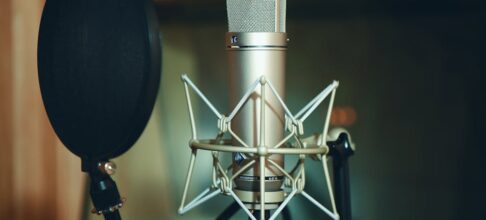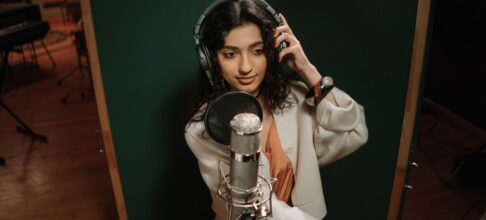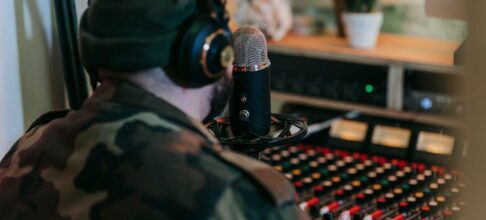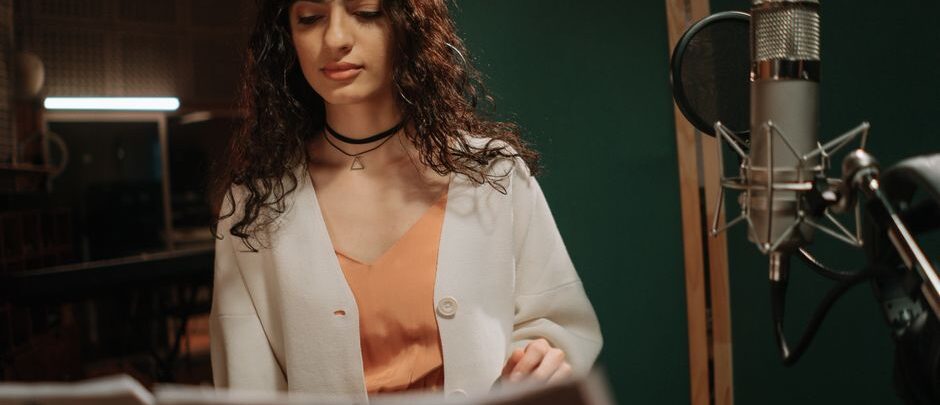
It’s 9:00 a.m. on a muggy Tuesday in Sydney. In the corner studio at Risk Sound, one of Australia’s most established audio production houses, there’s a distinct hush as an engineer sets up for a session booked by a fintech startup from Singapore. A friendly baritone—undeniably Australian, but not quite the broad twang you’d expect—is warming up in the booth, prepping lines about digital wallets and cross-border payments. The client wants something "approachable, global, yet unmistakably Aussie." By lunchtime, raw takes will be edited and uploaded to a cloud server for approval. This is what Australian voice over looks like in 2024: fast-paced, nuanced, and suddenly very much in demand.
If you think the only thing coming out of Australian mouths is Paul Hogan-style catchphrases or wildlife documentaries narrated by David Attenborough imitators, you haven’t been paying attention. In fact, the rise of Australian voice over work has become one of the more curious phenomena in international media localization and branded content this decade.
Not Just Tourism Ads Anymore
For years, if you worked in or around local audio post-production—say back in the early 2000s—Australian talent was mostly associated with tourism campaigns ("Where the bloody hell are ya?") or quirky ad spots for beer and insurance brands. International clients rarely requested an Aussie accent unless they wanted some flavor for Down Under-themed projects.
But since roughly 2017–2018, several industry players have noticed a shift. Apple TV+’s expansion into Asia-Pacific markets led to increased demand for regionalized versions of their promos and interfaces—including versions voiced by Australians who could project neutrality without sounding too British or American. Netflix’s push for local originals (think "Tidelands," shot outside Brisbane) brought new opportunities for both on-camera actors and voice professionals providing dubs and trailers.
According to Tamara Jennings, head producer at Melbourne-based Loud & Clear Audio (a regular supplier to streaming platforms), "In just five years we’ve gone from maybe two foreign language adaptations per quarter needing ‘Aussie English’ narration to double-digits every month—and that’s just our agency alone." She estimates that over half their bookings now involve work destined for audiences beyond Australia or New Zealand.
When Authenticity Beats Neutrality
There’s a running joke among Sydney-based freelancers: “They want authentic but not too authentic.” It’s true—a lot of script direction involves splitting hairs between "global English" (the mid-Atlantic nothingness championed by airline safety videos) and accents with actual character.
One typical scenario last year saw DDB Sydney casting voices for a series of e-learning modules aimed at US tech workers being onboarded into APAC teams. They rejected nearly twenty demo reels before selecting an actor whose sound was “decidedly Australian,” but didn’t lapse into Crocodile Dundee territory.
“It used to be we’d get called only when something needed clear ‘Aussie flavor,’” recalls veteran voice artist Matt Jarman (whose credits include Bunnings Warehouse ads). “Now it’s about relatability—clients want voices that feel trustworthy across regions.”
Inside an Agency Workflow: Studio vs Remote vs AI
Typical workflows have changed dramatically since the pandemic-era remote boom. In pre-2020 setups at studios like RMK Voices in Melbourne or Soundfirm in Sydney, most jobs were completed live-to-tape with directors present—sometimes even patching in clients via ISDN lines from London or Singapore.
Now? At least 60% of sessions use Source-Connect or comparable remote pipelines; many projects mix local talent recording from home with engineers dialing in from overseas agencies such as Voquent (UK) or Voices.com (US/Canada).
AI hasn’t replaced humans here yet—but it has redefined turnaround times and expectations. For instance: at Sonnant—a Melbourne-based AI audio platform—they report that requests for synthetic Australian-accented voices rose nearly threefold between mid-2021 and late 2023. However, most commercial work still leans heavily on real performers—particularly where emotional nuance matters (think corporate explainers versus automated phone menus).
A notable example comes from Mindarma, an Australian mental health startup whose resilience training modules are licensed globally to HR departments—including those at multinational banks headquartered in Germany and Japan. They experimented briefly with AI-generated Aussie narration but reverted quickly after test listeners flagged “robotic warmth” issues compared to human readers sourced through local agencies.
The Export Effect: How Other Markets See Australia Now
Europe is watching closely—sometimes imitating outright. Polish game publisher Techland recently hired Australian actors via Sydney's Eardrum Studios to record alternate tracks for their upcoming survival game set partially in the Outback; their rationale? European testers said Aussie-accented guides sounded “more adventurous”—and less cliché than American ones—for missions tied to southern hemisphere themes.
Meanwhile, UK-based localization company ZOO Digital reports that requests for "Australian English" options doubled between Q2 2022 and Q1 2024 across entertainment dubs and product tutorials bound for Southeast Asian audiences.
Even within Australia itself there are contradictions: large-scale government outreach campaigns (like COVIDSafe app instructions) opt almost exclusively for neutral-standard accents delivered by seasoned metro-based professionals; regional productions targeting rural Queenslanders may insist on heavier country lilt—the kind city agencies sometimes struggle to cast authentically.
Who Gets Hired—and How?
The professional path isn’t always straightforward. Unlike LA or London where union membership often dictates rates and access, Australia maintains a hybrid model: some jobs flow through Media Entertainment & Arts Alliance channels; others circulate informally among agency rosters or online platforms like The Voice Realm—which saw registrations jump by nearly 20% during lockdown months as actors sought side gigs while film shoots stalled.
Sydney-based creative producer Anjali Rao describes sifting through hundreds of reels each year: “There isn’t one definitive ‘Australian sound’ anymore—it varies wildly depending on whether we’re voicing instructional video content for Unilever India or narrative podcasts licensed by Audible US.”
Veteran actors complain about downward price pressure from overseas competition (“You can lose out on $1k jobs because someone cut-rate offered $300 out of Manila”), but top-tier campaigns still command healthy fees—especially when brands demand exclusivity across multiple regions or languages.
Case Study: From YouTube Shorts to National Campaigns
Consider Emma Taylor—a Perth-based performer who started narrating YouTube explainer shorts during her university years using nothing more than a USB mic plugged into GarageBand. By late 2022 she was fielding inquiries from German e-learning publishers after one viral video caught their attention (“We need your warm but direct style!”). Within twelve months she landed recurring work on national bank adverts piped into shopping centers across Victoria—a leap made possible not just by skill but also algorithmic discovery via short-form content platforms such as TikTok and Instagram Reels.
Her workflow now toggles between solo remote records at home (with her dog barking occasionally off-mic), scheduled visits to pro studios downtown when high-profile brands demand it, plus sporadic feedback calls spanning time zones—from Hamburg to Ho Chi Minh City—all brokered through intermediaries she never meets face-to-face.
The Next Battlefront? Brand Consistency vs Accent Fluidity
One ongoing challenge flagged by creative directors at Clemenger BBDO Melbourne is balancing brand consistency against audience accessibility when rolling out campaigns internationally:
“In theory you want your Australian brand voice recognized everywhere,” explains senior copywriter Luke McCarthy. “But we’ve lost pitches when UK partners felt our VO sounded ‘too local’—so now we often produce parallel tracks: one more neutral-Aussie for export markets; another leaning full Strine if it stays home.”
He cites recent FMCG launches where up to four vocal variants were produced per spot—increasing overall costs by approximately 25–30%, but necessary given client anxieties about market fit amid rising cultural sensitivity worldwide.
What Could Derail It All?
in all this optimism there remains anxiety beneath the surface—much of it tied not just to AI encroachment but also currency fluctuations affecting freelance rates (most international deals are pegged against USD or EUR), plus persistent stereotypes that reduce talented performers to caricatures when scripts aren’t handled carefully enough by offshore teams unfamiliar with contemporary urban Australian realities.
live sessions sometimes devolve into awkward discussions over pronunciation (“Is it data or dah-ta?”)
or require retakes because American producers can’t parse subtle regional inflections—the sort that make Adelaide sound different from Newcastle even though both pass as generically 'Australian' abroad.
labor unions continue lobbying government bodies about minimum pay standards especially as younger talents undercut experienced artists desperate post-pandemic recovery gigs.
the question lingers: how long before synthetic voices become truly indistinguishable—and will clients care anymore?
lots do…for now.