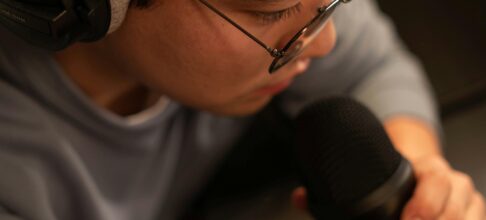
There’s an odd tension running through Moscow’s sound studios these days. You sense it in the break rooms at Okko’s audio post house, where veteran actors sip tea next to engineers troubleshooting a neural TTS plugin. In late 2025, a mid-sized game studio just outside St. Petersburg quietly replaced half of its non-player character voices with generative AI—nobody talks about it openly, but everyone feels the shift.
We’ve been here before. Twenty years ago, Russian localization was still catching up to the surging demand for dubbed streaming content that started with Netflix’s 2016 push into Eastern Europe. Back then, the bottleneck was human talent; now, paradoxically, it may be too many choices.
The Era of Synthetic Voices Arrives—Sort Of
In 2024, several major Russian audiobook publishers began piloting ElevenLabs’ advanced Slavic voice models alongside homegrown startups like Speechelo.ru. By spring 2026, industry insiders estimate that as much as 30% of new e-learning and utility app voice overs are synthesized or hybrid-edited—not fully replacing human actors but blending automated reads with targeted retakes by native speakers.
Yandex’s Mediaservices division—a behind-the-scenes powerhouse for OTT platforms in Russia—has reportedly cut turnaround times on short-form promotional dubs from five days to under thirty-six hours using this workflow. “It’s not that AI is better,” one project manager told me last winter, “but clients expect volume now. If you want twenty regional variants by Monday? There’s no other way.”
A Studio on the Edge: Real Workflow at SoundBridge Moscow
Consider SoundBridge Moscow, a boutique studio known for high-drama game dubbing since their breakout work on the Metro Exodus series (2019). Last year they landed a contract localizing a sprawling Nordic RPG for the Russian market—a project involving nearly two hundred unique characters.
Their team split casting between established theatre actors and synthetic voice libraries licensed from Respeecher (a Ukrainian startup whose cross-border tech is oddly popular despite ongoing geopolitical strains). The workflow? First pass: AI-generated scratch tracks for all minor roles and NPC barks; then selective recasting of leading roles with seasoned talent like Anna Kovalchuk. Engineers fine-tuned intonation using Adobe Podcast Enhance and internal tools to mask transitions between digital and real performances.
The result? Production costs dropped by roughly 28%, according to SoundBridge’s managing director, while the review cycle shrank by two weeks compared to pre-2020 projects of similar scale. But there were tradeoffs: social media feedback flagged uncanny valley moments in side quests—a reminder that even in Russia’s pragmatic market, authenticity still matters to fans.
Localization Giants Adapt or Fade
Russia has long been a crucible for rapid adaptation in media workflows. I recall when Nevosoft, one of St. Petersburg’s legacy game developers, first experimented with remote direction during pandemic lockdowns—a model now standard across European studios working on simultaneous multi-language releases.
By early 2026, international localization giants like Keywords Studios have shifted their CIS operations toward mixed-modality pipelines: real-time casting sessions over Zoom paired with API-driven asset management linking Moscow VO booths to cloud-based QC centers in Warsaw or Riga. It isn’t uncommon now for Polish directors to dial into Russian sessions—not only for quality assurance but also to synchronize cultural nuances across neighboring markets.
Streaming Platforms Demand Scale Over Perfection
A major driver of these trends is sheer volume pressure from VOD services like Kinopoisk HD and Megogo.TV. Since around 2022, their commissioning patterns have shifted: instead of full-cast luxury dubs for every title, they increasingly request express turnarounds for B-tier series using semi-automated voice pipelines.
One sound engineer at Mosfilm Mastering described last autumn how his team handled an entire season of a Turkish soap (dubbed into Russian) in less than ten days—two-thirds powered by a custom Yandex SpeechKit integration, supplemented by manual corrections only where automated output clashed with emotional tone or cultural idioms.
Actors Push Back—And Some Pivot Forward
For all the cost efficiencies and speed gains promised by AI-driven workflows, resistance lingers among Moscow’s actor unions and vocal guilds. In December 2025, representatives staged small demonstrations outside Sfera Studios demanding protections against full automation creep—a scene reminiscent of SAG-AFTRA strikes in Hollywood just three years prior.
Yet some performers are adapting instead of fighting change. Take Pavel Smirnov: once typecast as a villain in children’s animation dubs; he now offers his own pre-trained voice model via an online platform called VoiceForge.ru (think Cameo meets D-ID), marketing custom audio drops for indie developers who can’t afford live sessions but crave recognizable timbre.
Smirnov claims this sideline nets him more monthly income than traditional session work did pre-pandemic—and three other actors I spoke with report similar results after licensing digital doubles via Estonia-based Text2Voice.io targeting pan-Baltic campaigns.
Growth Is Uneven—But Not Slowing Down Yet
If you walk into any mid-tier agency along Novoslobodskaya Street today you’ll find half-finished scripts queued up on Trello boards waiting their turn through Yandex-powered batch processing tools—while flagship clients still demand golden-throated veterans for prestige projects like Oscar submissions or AAA games.
eLearning vendors are especially bullish; insiders suggest nearly half of new language training apps launching out of Kazan or Tomsk are skipping classic booth time entirely unless targeting premium segments like medical training or diplomatic protocol modules.
Meanwhile big-budget cinematic titles—or state-sponsored historical docudramas—remain stubbornly loyal to experienced voice artists from institutions such as Lenfilm Studio (St Petersburg) or Gorky Film Studio (Moscow).
New Creative Possibilities… With Caveats
There is genuine excitement among younger creative leads about what algorithmic voices can enable: rapid A/B testing of tonal delivery (“let’s try this line more sarcastic”) before committing budget; instant prototyping for interactive stories where branching narrative demands hundreds of alternate takes; even playful experiments like giving sidekick characters region-specific accents without flying actors in from Vladivostok or Yakutsk.
But risks persist too—as seen when an ad campaign for M.Video tried launching its spring sale blitz using entirely synthetic celebrity voices last March: while efficiency soared (audio delivered within forty-eight hours), backlash from brand loyalists forced a re-record with live talent due to perceived lack of warmth and believability.
Regional Nuances Come Into Play
Not all corners of Russia embrace these changes equally. In Tatarstan and Bashkortostan—which have distinct linguistic heritages—studios often blend automated base reads with extensive local dialect coaching layered atop final passes by native-speaking narrators sourced via platforms like LocStars.eu (a Berlin-based marketplace seeing rising traffic from Central Asian production companies).
in Siberian cities such as Novosibirsk and Irkutsk smaller agencies experiment bravely but sometimes risk alienating audiences if synthetic regionalisms miss subtle inflections beloved by older listeners raised on Soviet-era radio dramas.
Looking Forward—and Sideways
in real-world terms? Expect further fragmentation rather than convergence:
audio post houses will specialize ever more sharply either toward high-volume machine-assisted output or boutique live talent curation—that uncomfortable tension won’t resolve soon.
niche platforms will proliferate catering both to global brands seeking quick-and-dirty solutions (think microbudget mobile games) and prestige clients needing hand-honed authenticity (Oscar hopefuls or state commissions).
somewhere in-between lies most daily production reality—the messy middle ground where scripts bounce back-and-forth between software plugins and human intuition until deadlines win out over artistic intent.