You don’t have to squint too hard to see a paradox at the heart of Armenian voice over. On one hand, it’s a niche inside a niche—a small language with just over 6 million speakers worldwide, often left out of global media budgets. On the other, when you watch how a few determined studios and agencies operate in Yerevan, Los Angeles, or even Tbilisi, you realize that this supposed limitation is exactly what gives their work both urgency and power.
A Dubbing Room in Komitas Avenue
---
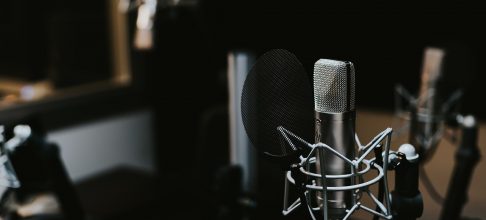
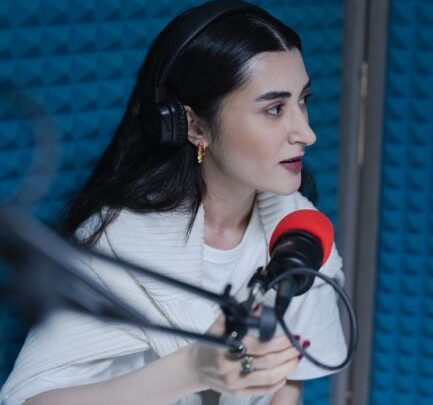
I remember visiting DubArmenia Studios on Komitas Avenue back in 2019. The place is modest by European standards—three recording booths, walls lined with local soundproofing foam, one coffee machine perpetually humming. But walk in during an afternoon session and you’ll hear something distinct: voice actors switching between dialects—Eastern Armenian for local TV; Western Armenian for diaspora-targeted content; occasionally Russian or English thrown in when dubbing pan-regional ads for brands like Beeline.
The workflow was telling. For a typical TV drama imported from Turkey or Russia (not uncommon on Armenian networks), scripts are rushed through translation within 48 hours. Casting happens via WhatsApp audio samples because the same five lead voices are always overbooked. Then, two days later: record, edit, deliver—often all under a week. There’s pressure, yes—but also pride and improvisation.
Netflix Knocked Once
---
People still talk about the first time Netflix approached an Armenian localization agency in late 2020. It wasn’t for a huge series—just several episodes of a kids’ animation—but for Arpi Vardanyan at VoxVoice Agency it was validation that global platforms were noticing Armenia at all. "We had to assemble our team overnight," she told me last spring. "Most of our actors were busy with radio adverts or theater rehearsals. We ended up recording half the show after midnight just to meet LA time zones."
The result? A dubbed version that reportedly saw higher-than-expected engagement from users selecting Armenian as their language track—even though only about 1% of platform users in Armenia consistently choose dubbed content over subtitles (based on rough estimates shared by local streamers). Still: proof that representation matters.
Why Brands Go Local Even When Budgets Don’t Add Up
---
Here’s the tension: major advertising budgets rarely prioritize Armenian outside core markets—Yerevan, maybe parts of Glendale. Yet companies keep coming back for voice overs instead of simple subtitles or regional Russian tracks.
Take TUMO Center’s digital campaign across France and Lebanon last year—their brief called specifically for Western Armenian narration despite added costs and longer turnaround times compared to more widely spoken languages like French or Arabic.
Their logic? Emotional resonance beats generic reach every time if you’re targeting diaspora youth who grew up hearing these particular inflections at home but rarely find them on screen.
A Pattern From Eastern Europe to Sydney
---
In Poland and Hungary—a region not so unlike Armenia demographically—local production houses have long balanced between subtitling for cost reasons and full voice over (or lip-sync) for prestige projects aimed at national audiences. Studios such as SDI Media Warsaw report that animated features localized into Hungarian or Polish can command up to 30% higher viewership than subtitled versions among young viewers.
Australian post-production teams working with multicultural broadcasters like SBS tell similar stories about smaller languages: whenever possible they opt for native voice talent rather than synthetic alternatives—even if sessions stretch into weekends due to actor availability across hemispheres.
AI Voices? Not So Fast Here...
---
While AI-generated voices are gaining ground globally (think Respeecher in Ukraine or ElevenLabs used by US YouTubers), most Yerevan-based studios still treat them warily. One producer I spoke with at ArmMedia Sound explained bluntly: “Our audience hears every nuance—a missed intonation makes it feel fake.”
In practice this means even commercials recorded on tight schedules insist on human delivery—and some agencies still rely on walk-in talent open calls instead of pre-recorded banks.
Diaspora Demands Shape Output
---
An overlooked dimension is demand from outside Armenia itself—from diaspora communities spread across Los Angeles County (the largest concentration outside Yerevan), Marseille, Tehran, and Moscow.
For instance: Haykakan Films (an indie streaming app launched out of Paris in 2022) saw its monthly active users double within six months after adding original voice over tracks narrated by well-known diaspora personalities rather than generic local newsreaders.
There’s something almost forensic about how closely these user bases listen—not just to words but accent markers signaling authenticity versus tokenism. User comments routinely flag slight mismatches (“sounds too ‘Yerevantsi’”) even when technical quality is high.
Kids’ Media Is Where It Counts Most—and Costs Add Up Quickly
---
It’s no accident that children’s programming is where most serious investment goes into professional voice over—even when working with modest returns on YouTube channels serving fewer than 50,000 subscribers each month worldwide.
Case study: Pocket Tales Studio launched its first animated show fully dubbed in both main dialects in late 2021 after crowdfunding support from Toronto-based Armenians covered half their production costs ($15k USD total). Viewer retention rates soared past 70% per episode—a rare number among small-language YouTube creators—and merchandise sales followed suit within six weeks of launch.
Historical Footnote: Soviet-Era Legacy Still Echoes Today
---
Older practitioners recall that during the late Soviet era (1970s–1980s), nearly all children’s films screened locally were dubbed at Armenfilm Studio using state-funded resources—a legacy many current professionals cite as formative to audience expectations today. This has led to persistent demand for full-cast dubs rather than minimalist narration-only approaches favored elsewhere post-1990s budget cuts.
How Workflows Actually Look Now: Patchwork Perfectionism
---
Modern workflows rarely follow textbook models seen at big international facilities like Deluxe or Iyuno-SDI Group headquarters in London or Tokyo. Instead:
- Scripts may arrive piecemeal via Telegram chats from translators juggling multiple jobs;
- Sessions scheduled around actor day jobs at theaters like Sundukyan National Academic Theatre;
- Final mixes often produced overnight so files can be uploaded before clients wake up eight time zones away.
Sometimes there isn’t even time for proper table reads—a director will patch together takes across three cities using cloud drives and mobile recorders loaned out through local film collectives such as Kinodranq Initiative Yerevan.
Why It Matters Beyond Numbers
---
If you ask producers why they persist given slim margins and logistical headaches, most point beyond pure economics: “It’s about keeping us visible,” says Mariam Balyan from Storyline Media Group—which handled commercial spots for a German-Armenian tech startup last year targeting Berlin's growing expat community.“When our language is heard alongside others—it signals we belong.”
And sometimes belonging trumps metrics entirely.