Nobody expected Fortnite to localize its voice chat in Catalan. But then again, nobody expected a petition from Barcelona-based streamers to get , digital signatures in just three weeks either. The gap between what creators want and what platforms provide for minority languages like Catalan remains wide—and yet, beneath the surface, workflows are shifting.
The Contradiction of Abundance
Digital distribution has made it easier than ever to create—unless you’re trying to reach an audience that expects to hear itself reflected. In most European cities, dubbing studios saw demand spike after Netflix’s expansion across southern Europe. But while Castilian Spanish swiftly became a localization standard, requests for Catalan stayed niche—under 6% of all Spanish-language content localized by major streaming providers as of , according to industry insiders at Deluxe Spain.
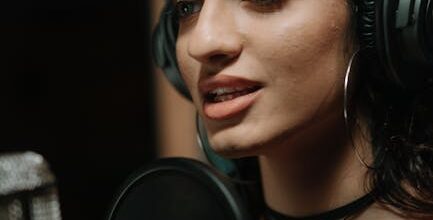
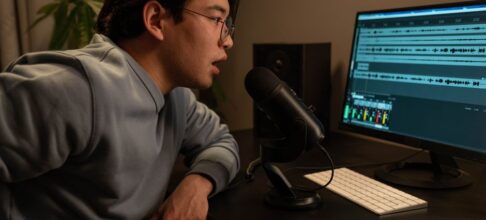
Despite this, small studios persist. Grup Mediapro in Barcelona maintains a dedicated Catalan audio team. Their workflow is notably lean: scripted dialogue is translated and voiced by a tight roster of seven regular actors, often recording in home studios patched into cloud-based DAWs (Digital Audio Workstations). In one children’s animation project for Super3 (the public broadcaster’s youth channel), remote direction tools—Source-Connect and SessionLinkPRO—were essential during pandemic lockdowns. Turnaround times halved compared to pre- processes; costs dropped by up to % thanks to fewer studio hours.
Platform Tensions: YouTube Shorts vs TV3 Originals
The tension isn’t only technical—it’s cultural. While TV3 (Catalonia’s public television) continues traditional casting and studio sessions for flagship series like “Polònia,” younger creators gravitate toward speedier platforms. YouTube Shorts and Twitch see more frequent experimentation with AI-generated or synthetic voices due to budget constraints. “We wanted our horror game Let Me Out dubbed in Catalan for authenticity—but couldn’t afford legacy voiceover rates," says Pol Sanuy from indie games startup Sandwatch Games (Girona). They licensed Respeecher’s voice cloning toolkit for narration on their latest demo—a solution costing under € versus €5k+ for full professional VO.
However, not every creator is convinced synthetic voices are ready for prime time. A mid-tier podcast production house in Lleida reported that listeners drop off if robotic intonation creeps above subtlety thresholds—even with advanced tools like ElevenLabs or Descript overdubs.
Historic Hurdles & Modern Momentum
Voice over in Catalan is no stranger to obstacles: It wasn’t until that TV3 broadcast its first wholly dubbed show outside Castilian dominance; cinemas only normalized subtitling and limited dubbing after legal quotas came into force post-. As recently as , Amazon Prime Video carried less than ten titles with genuine Catalan audio tracks.
Yet there are flashes of progress. Disney+ quietly rolled out Catalan dubs for select Pixar classics in late after local advocacy groups highlighted grassroots demand on social media (#DisneyEnCatalà trended regionally). While still under % of overall catalogues include localized tracks, the trend line points upward—helped by streamlined digital workflows eliminating much old analog friction.
Workflow Case Study: Indie Animation Meets Cloud Collaboration
Consider this scenario from early : Estudi Mamut—a five-person animation shop based near Sabadell—is prepping an eight-minute festival short destined for both local screenings and Vimeo OTT release abroad. Their pipeline reflects the new reality:
- Script finalized collaboratively via Google Docs (with inline translation notes)
- VO artists record remotely using Focusrite Scarlett interfaces patched into Reaper DAW projects hosted on Dropbox
- Real-time direction via Zoom screen share; feedback cycles take hours instead of days
- Mastered files are delivered directly into Adobe Premiere Pro timelines shared across two continents
Total cost? Under €1,—about half what similar projects cost them pre-pandemic when physical studio sessions were standard.
Mamut’s creative director admits: "We couldn’t have justified full localization spend before cloud workflows matured. Now we can prioritize authentic voices without blowing our entire grant budget.”
Gaming & App Localization Patterns From Berlin To Sydney
A persistent pattern emerges among mobile developers targeting pan-European audiences: Many German studios working with Unity or Unreal Engine now treat regional language support—including Catalan—as a checkmark feature when seeking Apple App Store promotion within Spain (Catalonia accounts for roughly % of national downloads according to Data.ai). Meanwhile, Sydney-based EdTech startup Linguaboost ran controlled tests comparing engagement metrics between neutral Spanish and Catalan voiceovers—the latter drove session length up by nearly % among Barcelona primary school users.
Uncomfortable Questions About Scale—and Authenticity
Who decides when a language "matters enough"? For global platforms like Spotify or Audible—which added limited Catalan audiobook collections only after fierce lobbying—the answer seems tied more to market analytics than cultural advocacy alone.
But on the ground, creators keep hacking new solutions together anyway—sometimes using AI tools unlisted in official documentation; sometimes calling upon friends who grew up speaking dialects little heard outside family kitchens. In this fractured landscape, authenticity comes piecemeal but stubbornly persists.
Will we see triple-A gaming franchises offer full Catalan dialogue trees by the end of this decade? If workflows keep evolving at their current pace—distributed cloud sessions; affordable synthetic assistive tech; regional funding initiatives—it finally feels plausible instead of quixotic.