You don’t have to spend much time in a post-production studio in Moscow to realize something: no one is waiting for AI to take over Russian voice over. There’s a reason for that, and it’s not just nostalgia or stubbornness. The stakes are different here.
In mid-2019, when Netflix began localizing its original series into Russian, they didn’t settle for simple subtitles or cheap synthetic dubbing. Instead, they commissioned full-cast voice over—sometimes involving as many as 20 actors per production—through local studios like SDI Media (now Iyuno-SDI). Why? Because Russian audiences expect emotional nuance that machine voices still can’t deliver. A flat intonation or a poorly timed phrase is enough to alienate millions.
# Dubbing Isn’t Just Translation—It’s Cultural Rewriting
Take the example of “Stranger Things.” When it first landed on Russian screens in 2016, local fans immediately noticed how the dub captured not just words but subtext: childhood slang, Soviet-era idioms, and even jokes about school lunches were reworked for maximum impact. This wasn’t translation; it was cultural engineering. In practical terms, these adaptations often require consultation with linguists and script doctors who understand both Western pop culture and Russian sensibilities—a workflow that stretches well beyond mere word-for-word localization.
# Real Workflows Inside a Moscow Studio: Voices on the Clock
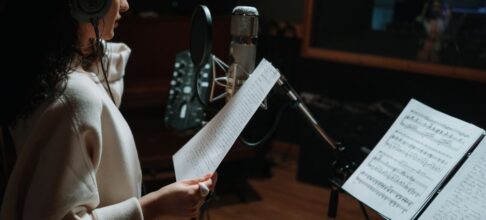
Walk into Neva Film Studios in St. Petersburg during a busy week—they handle projects from French art house films to big-budget American animations—and you’ll see why Russian voice acting isn’t plug-and-play. A typical project runs through several phases: casting (often auditioning 15–30 actors per key role), dialogue coaching sessions (to ensure regionally neutral pronunciation), and then intense recording blocks where a single line might be repeated up to 10 times for tonal accuracy.
Director Irina Belova told me last year that for projects like Disney’s “Frozen II,” her team coordinated across three time zones to align child actors’ performances—a logistical headache but non-negotiable if you want authenticity. "Russian parents notice when Anna sounds 'off,'" she said with a shrug.
# Not All Markets Are Equal: Regional Differences in Demand
In Poland or Germany, streaming platforms sometimes get away with subtitling English content or using partial dubs due to higher tolerance for foreign accents and on-screen text. But in Russia and Kazakhstan, the pattern is starkly different: audience research cited by Okko (a major Russian streamer) suggests over 80% of viewers prefer fully dubbed content for both children’s programming and mainstream drama.
A small animation studio in Almaty shared their experience with me last summer—they’d tried releasing an indie cartoon with only subtitles and saw less than half the expected viewership compared to their previous dubbed releases. They’ve since shifted all new productions back to full-scale voice work.
# Gaming Is Its Own Beast: The Case of “Metro Exodus”
Localization takes another twist inside gaming studios working on AAA titles like “Metro Exodus.” Developer 4A Games built their original scripts around authentic Moscow dialects before handing them off to seasoned voice actors at Nevafilm’s audio booths—the process involved weeks of table reads with narrative directors present by video call from Kyiv.
What emerged wasn’t just a literal translation; characters argued, cursed, and despaired in rhythms familiar only to native Russians. This level of detail has helped “Metro Exodus” consistently rank among the most immersive localized games according to user reviews on Steam.ru (the platform claims nearly 70% positive sentiment specifically referencing voice work).
# Historical Notes: From Soviet Narrators To Modern Multitrack Magic
If you rewind thirty years—to early 1990s VHS bootlegs—you’ll find another curious tradition unique to Russia: the legendary "Gavrilov translation." One man would narrate entire films solo, monotone, pausing awkwardly after each line of dialogue. It was efficient but emotionally barren—and universally mocked today by younger viewers accustomed to ensemble casts.
Since around 2010, as streaming services expanded into CIS markets, demand shifted toward richer multi-voice productions resembling those found in Spain or France—but always tailored to local tastes. Today’s best-selling anime dubs on Kinopoisk HD routinely feature five or more lead roles recorded simultaneously—an upgrade driven largely by audience backlash against earlier cheap approaches.
# Where Automation Fails—and Where It Helps
To be fair, AI tools like Respeecher (a Ukraine-based startup popular among Eastern European studios) have started assisting editors with scratch tracks and quick previews—but finished products almost never go out without human polish. In one case I observed at an Estonian game dev house last year, automated voices saved hours during prototyping but were swapped out entirely before launch after player focus groups flagged unnatural delivery as immersion-breaking.
Still, technology isn’t ignored altogether; mid-sized studios now routinely use cloud collaboration platforms like Voquent or ZOO Digital for international casting calls—a pragmatic step when tight deadlines rule production calendars across multiple time zones.
# Cost Pressures vs Quality Demands
The economics are real: a full-featured Russian dub can add between 10–25% onto total localization budgets—numbers confirmed by two managers at Latvia’s Tasse Sound & Picture who recently handled multilingual campaigns for mobile apps targeting CIS markets and Central Asia alike. Despite this premium pricing, few clients opt out once they see engagement data dropping sharply for subtitle-only versions (especially outside major cities).
This tension shapes every decision from casting through mixing; there are still budget projects using semi-professional talent or remote workflows via Source Connect Now—but as soon as quality drops below audience expectation levels (set high by legacy TV dubbing standards), social media feedback tends toward brutal honesty.
# Looking Forward Without Losing Touch
Here’s what gets lost when we talk too much about automation or cost-cutting: real voice artistry is still irreplaceable where story matters most—whether it’s an Oscar-contending film premiering at Moscow International Film Festival or an e-learning module designed for rural Siberian schools struggling with broadband limits yet demanding clear accents free of regionalisms.
If there is any universal lesson from these case studies—from Netflix originals down to Kazakh indie cartoons—it’s this: nothing sabotages immersion faster than wooden delivery or missing cultural context. That may change someday if synthetic voices cross uncanny valleys we barely imagine now—but until then, expect producers from Vladivostok to Vilnius to keep booking real people behind the mic.