It’s an open secret among localization project managers at mid-sized studios across Europe: Armenian voice over is on the rise, and almost no one outside a few tightly-knit circles seems to notice. While everyone obsesses over Spanish or Turkish dubs for international blockbusters, there’s a quiet uptick in demand—and capability—for content adapted into Armenian. And yet, when you scan the press releases or industry conferences, you hear crickets. Why?
A Surprising Gap in Streaming
Back in , Netflix announced plans to expand their language offerings in Eastern Europe and the Caucasus—a move that sparked excitement among local subtitling teams but barely registered with bigger voice-over studios. Subtitling into Armenian had always been more common than full voice adaptation, mostly because of budget constraints and assumptions about limited audience size.
Fast forward to : In Yerevan, boutique audio post houses like SoundLab Armenia report a % increase year-on-year in short-form projects requiring native voice actors—not just for commercials or state TV, but for streaming miniseries and even mobile games. "We used to get maybe one request per quarter for full-cast dubbing," says Aram Sargsyan, studio director at SoundLab. "Last spring we delivered four major projects within two months—one was an animated series for a French-Canadian platform localizing into seven languages including Armenian."
Workflows Are Not What You Think
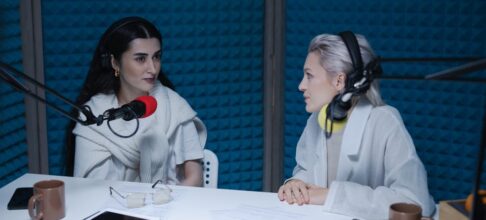
If you picture rows of actors behind glass recording American blockbusters for theatrical release—think again. The rise here is scrappier. For example, a typical workflow at smaller Tbilisi-based agencies (who often subcontract talent from Armenia) involves remote casting via Telegram, Dropbox transfers of raw session files overnight, followed by rapid sync editing using Reaper with custom time-coded markers provided by clients from Warsaw or Berlin.
This isn’t slick Disney-level localization; it’s practical adaptation for digital-first platforms hungry to reach untapped micro-markets.
The Gaming Angle: An Untold Story
Localization managers at European mobile game publishers started noticing something odd around late : organic download spikes from Armenia after quietly adding basic Armenian VO tracks alongside Russian and English ones. A mid-sized Stockholm-based developer shared off-record that their puzzle adventure app saw retention rates jump by nearly % among Armenian users within three months of adding full audio support—not just subtitles.
And this wasn’t some major franchise; it was a modest title with under 500k global downloads. But the lesson was clear enough that now several Polish publishers regularly ping freelancers in Yerevan before launching new casual titles.
Historical Reference Point: The Early TV Era
In Soviet times—especially through the ‘70s and ‘80s—the idea of original Armenian voice performance meant either highly formal news broadcasts or dubbed imports on state-run channels like H1 Public TV. Dubbing then was strictly centralized and handled by a handful of government-approved studios with rigidly defined processes.
Contrast that with today’s scattered but nimble ecosystem: independent podcasters commissioning dramatic readings; diaspora-funded documentaries needing quick turnarounds for global festivals; even NGOs adapting educational content on pandemic safety, all demanding authentic regional accents (think Vanadzor vs Stepanakert dialects).
AI Tools Meet Local Nuance (Sometimes Awkwardly)
There’s pressure from some corners to automate everything with AI voices—tools like Respeecher have piloted synthetic Armenian output since early —but most clients chasing authenticity still want native speakers who can navigate tricky idioms or political subtext. In practice? Studios may use AI-driven first-pass readings as scratch tracks but still bring human talent onboard for final versions (especially where cultural resonance matters).
One mini-case: An LA-based e-learning company tried onboarding an AI tool for fast Armenian narration last year but quickly switched back to live actors after negative feedback from beta testers in Gyumri (“the pronunciation just felt...off,” one tester noted).
Diaspora Demand Quietly Drives Growth
What many outside observers miss is how much demand comes not only from inside Armenia itself but also from diaspora communities—especially in France, Russia, and Los Angeles County, where mid-budget film distributors have started localizing trailers and festival shorts into Western Armenian since around .
Take Hyeland Films, based out of Glendale: Their co-productions now routinely include both Eastern and Western Armenian dubs as standard deliverables—even when initial funding proposals only asked for subtitles in English and Russian.
Budgets Are Still Tight—But Expectations Have Shifted
No one is pretending this is a gold rush; average rates remain well below those for German or Japanese dubs (a senior actor might see €–€ per finished hour). Yet expectations are higher than five years ago—clients want clean lip-syncing even on tight deadlines; they expect gender balance across main roles; some even specify age-appropriate casting rather than recycling the same veteran voices heard everywhere else.
Looking Ahead—or Maybe Just Sideways?
Strikingly little has been written about this trend outside niche trade forums or closed LinkedIn groups frequented by Balkan and Caucasus localization pros. It’s possible that wider industry bodies will catch up soon—or maybe not. But what happens next seems less about sudden market expansion than about steady normalization: it’s becoming routine to ask “and do you need an Armenian version?”
Perhaps that’s how real change arrives—not with fanfare but as a quiet checkbox during pre-production meetings at agencies in Vilnius or Prague.