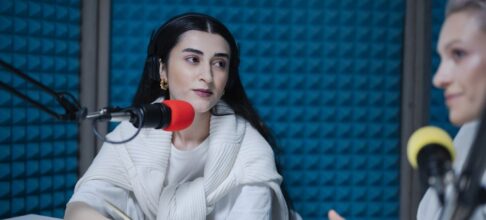
In the backroom of an unremarkable Milanese post-house, a director and an engineer stare at a waveform. It’s not just about getting the words right—it never is. The client, a mid-tier German game publisher, has sent over their latest fantasy RPG for localization. There are two days until delivery. The deadline isn’t moving.
This isn’t Netflix—though Italy remains one of the most competitive dubbing markets for streaming giants—but it’s real work. Each step in the Italian voice over process is both familiar and quietly different from its global cousins. So what does it actually look like from project brief to final mix? Let’s pull apart the machinery, with all its unexpected detours.
The Brief Arrives (And is Never Quite What You Expect)
It starts with a script packet, technical specs (usually more complex than they should be), and sometimes character breakdowns that read like bad translations themselves. For this German game studio, the assets landed via FTP at 2am: three dozen cinematic scenes, 40+ NPCs, and several thousand lines of reactive dialogue.
What happens next? In reality—at least in studios from Rome to Florence—the first scramble is always for casting. While English-language projects can draw on massive voice talent pools, Italian voice over relies on a tight-knit circle of seasoned performers. Half have worked together since Mediaset’s big expansion in the late '90s; everyone knows who dubs whom on which American TV show.
Casting Isn’t Just About Voices
A common workflow in Milanese agencies: producers ping trusted agents or directly DM actors (WhatsApp dominates here). But there’s nuance—especially for games or anime where emotional range and lip-sync matter as much as accent fidelity. In many cases, studios like SDI Media Italy keep their own rosters updated almost weekly.
By 2019, competition for top-tier male leads had grown fierce enough that some actors started negotiating exclusivity deals—not with production companies but with streaming platforms like Amazon Prime Video Italia. It’s no coincidence that you’ll hear recurring voices across unrelated series; continuity breeds reliability.
Text Meets Tone: Adapting Scripts for Italian Cadence
Translation is where theory collides with practice—and deadlines. In real campaigns observed across European media houses, initial translations almost always miss nuances unique to Italian cadence: longer word constructions or different emotional pacing compared to English or German source material.
One small studio in Turin described reworking nearly 15% of dialogue lines after their initial AI-assisted translation pass—a pattern echoed by others using tools like MemoQ or Trados Studio but still relying on human adapters for rhythm and tone.
The Recording Booth: Rituals and Constraints
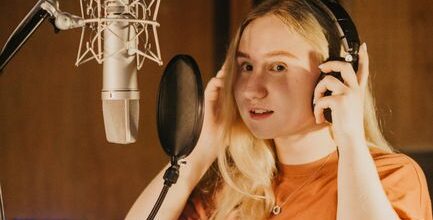
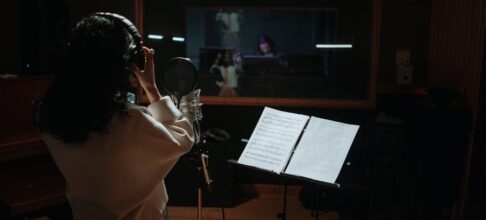
Step into any recording booth at Rome’s VSI Group hub during busy season (think September–November when global releases cluster), and you’ll see fast-moving sessions run on tight schedules: four hours per block, three blocks per day. Lead actors arrive early; supporting cast rotate every hour.
There’s a ritual to warm-ups—old-school pros running through tongue-twisters (“Trentatré trentini entrarono a Trento…”), sound engineers sipping espresso between takes while marking retakes directly onto Pro Tools timelines.
For high-volume projects—a mobile app localization last year involved more than 10,000 lines per actor—studios break up scripts by context rather than chronology. This helps maintain consistency even if recording stretches over weeks.
Direction and Emotional Authenticity (or: The Art of Making It Sound Italian)
Directors obsess over authenticity—not just correct pronunciation but cultural resonance. A favorite trick among experienced directors at Raggio di Suoni in Bologna: providing actors not only with scene context but also YouTube clips of comparable moments from classic Italian cinema (think Sordi or Loren).
This isn’t nostalgia—it works because modern audiences expect contemporary media to echo homegrown rhythms without sounding forced or artificial.
Syncing With Picture vs Syncing With Gameplay
Lip-sync is king in film dubbing—Italy has led Europe in this craft since RAI established its own dubbing division post-World War II—but it plays out differently depending on genre:
- For narrative-heavy TV series (Netflix originals especially), exact mouth movement alignment remains non-negotiable; studios use specialized software such as VoiceQ or Magpie Pro.
- For games and mobile apps targeting quick turnarounds, sync often means matching overall intent rather than frame-perfect timing; audio editors cut wild lines against reference gameplay captured on dev kits supplied by publishers like Ubisoft Milan.
- Editors flag inconsistencies not just in performance but also regionalisms (Tuscan vs Roman inflections can slip through)
- Automated QC checks catch volume drops but rarely spot subtle misreads; human review remains non-negotiable except in ultra-fast social content projects where speed trumps perfection
As of 2022, roughly 60% of indie games localized into Italian opt for “intent sync” rather than full lip-sync due to budget constraints—a compromise accepted by most players but lamented by purists who remember the golden age of Gigi Proietti voiceovers.
Editing Is Not Just Cutting Tape Anymore
Most modern workflows revolve around DAWs like Pro Tools HDX paired with Izotope RX suites for noise cleanup—a standard setup adopted across both large houses (e.g., Pixel Sound Studios) and boutique teams alike. Still, editing remains labor-intensive:
In real-world scenarios seen at Florence-based agencies servicing e-learning clients during peak COVID demand (2020–21), batch processes were introduced—with up to five editors working simultaneously across segments—which cut delivery times by nearly 25% compared to solo workflows pre-pandemic.
Client Reviews: Where Everything Gets Personal Fast
If you think sign-off is merely procedural, ask anyone who has watched brand-side reviewers dissect performances line-by-line via Zoom calls—often referencing childhood memories about how certain phrases "should" sound according to region or dialect preferences! This subjectivity drives last-minute revisions even on AAA productions destined for Disney+ Italia releases (notorious among insiders for their high bar on sync accuracy).
lnto Distribution: Formats Multiply Faster Than Voices Can Adapt
Once approved tracks are rendered—in WAVs split by scene/character/channel—the files go everywhere: broadcast masters shipped via Aspera Faspex to London HQs; MP3 stingers uploaded straight into TikTok ad campaigns managed out of Barcelona offices; XML metadata exported en masse for OTT compliance checks demanded by Sky Italia since mid-2010s upgrades to their ingest pipelines.
It isn’t rare now for single campaigns to require seven-plus deliverables tailored to platform specs—a level of complexity barely imaginable when Mediaset ran everything off Betacam tapes twenty years ago!
tlalian Voice Over Today: A Patchwork That Works—Somehow
in sum? Behind every seamless local adaptation lies a messy collage of tradition-bound rituals colliding with frantic innovation:
small teams blending AI toolkits with old-fashioned coaching
directors juggling multiple client inputs and legacy expectations
talents whose careers thread through decades-long relationships within this uniquely vocal community
yet despite ever-tighter budgets—and increased pressure from automated solutions flooding low-end market segments—the heart of quality Italian voice overs still beats strongest wherever real care is taken scene-by-scene…even if those scenes are sometimes dubbed at midnight after three espressos too many.