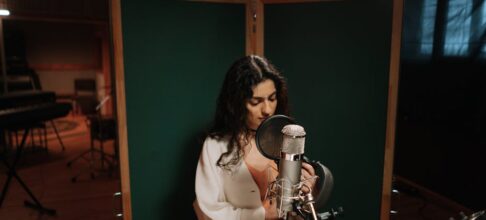
Let’s admit it: outside the Netherlands, few people can tell Dutch apart from Danish or even German on first listen. Yet, in studios from Amsterdam to Antwerp, and increasingly on cloud platforms stretching from Berlin to Brisbane, Dutch voice over is quietly but persistently carving out its own corner of the global media market. The assumption that “everybody in Holland speaks English anyway” has long haunted localization budgets—but if you sit in on a real session at Wave Studios Rotterdam or eavesdrop on an ad campaign for Bol.com, you’ll hear something altogether more nuanced.
The Persistent Need for Authenticity
Walk into a post-production suite in Utrecht—one that handles monthly campaigns for Albert Heijn—and you’ll likely find a director arguing with a voice talent about what “gezellig” actually sounds like to a native ear. There’s no AI filter or pan-European accent trickery that substitutes for the nasal ‘g’ or the casual drop of pronouns that makes Dutch copy pop. In fact, since the late 1990s, when satellite TV and foreign streaming began flooding Benelux homes with English-language content, consumer brands have had to work twice as hard to localize jingles and explainers. By 2018, internal surveys at several Dutch ad agencies (think TBWANEBOKO) suggested that spots voiced in native Dutch held audience retention rates up to 14% higher than their English-dubbed equivalents—a reality not lost on e-commerce giants or political campaigners.
From Linear TV to Streaming: The Shifting Demand Curve
While terrestrial broadcasters like NPO and SBS6 traditionally set the tone (and budgets) for regional voice work, by 2020 the action had moved online. Netflix’s decision in 2017 to begin offering children’s programming dubbed natively in Dutch opened floodgates; suddenly studios from Haarlem were fielding requests from U.S.-based localization vendors who had previously limited themselves to French and Spanish tracks. One notable workflow emerged inside Keywords Studios’ Hamburg branch: they ramped up their search for Dutch-speaking talent after noticing a 19% jump year-over-year in demand for localized game trailers destined for the Benelux market between 2019 and 2021.
AI Voices Are Here—But Only Up To A Point
There’s tension here worth pausing over. Since mid-2022, several SaaS platforms (Respeecher among them) started offering synthetic Dutch voices boasting near-perfect pronunciation. In practice? Major broadcasters like RTL Nederland have experimented with these tools—especially for quick-turnaround news bumpers or infographics—but still revert to human talent for character-driven ads or animated features.
A case in point: during the COVID-19 pandemic, Amstelveen-based agency MassiveMusic ran A/B tests with both AI-generated narrations and seasoned human actors across insurance explainer videos. Viewership analytics revealed that while AI voices worked fine for dry regulatory updates (audience drop-off rate only marginally higher), engagement plummeted when emotional resonance was required—especially among viewers aged 35–55 accustomed to classic radio spots.
Typical Workflows Inside a Busy Studio
In Dutch production houses like FC Walvisch Amsterdam, workflows remain stubbornly analog at critical stages despite digital delivery elsewhere. Directors typically gather three shortlisted talents per project; each reads multiple takes under supervision before edits are sent back-and-forth with client-side language reviewers. Turnarounds average five business days—longer than comparable workflows in London or Warsaw where larger pools of freelancers speed up delivery but sometimes at a loss of linguistic precision.
Consider this slice-of-life: For an autumn retail blitz by Blokker (the household goods chain), teams booked two female and one male voice actor known locally—not just because of their vocal tone but because clients demanded micro-dialectal authenticity matching North Brabant versus urban Amsterdam registers. This level of granularity isn’t something most automated systems handle well…yet.
Advertising Versus Longform Content: Contrasting Demands
Dutch voice over isn’t just about reading scripts cleanly—it’s about calibrating performance against cultural expectation. In commercial radio advertising (Qmusic is notorious here), sessions move fast; scripts are often rewritten mid-session depending on how the lines land aurally—a process observable at least weekly across audio-post suites lining Herengracht canal.
Contrast this with documentary narration work carried out by Belgian-Dutch partnership De Mensen BVBA—the timelines are longer, direction is subtler, yet there’s relentless pressure to capture regional intonation without drifting into caricature.
Localization Patterns Across Borders
It’s not only about what happens within Dutch borders either. European game studios based out of Helsinki or Munich often treat Benelux as an afterthought—sometimes skipping full voice tracks altogether unless targeting KPN-backed platforms or local app stores demanding compliance with accessibility standards introduced circa 2015.
However, since Spotify launched its localized podcast push into Belgium and Netherlands around early 2021, Nordic content producers have found value investing more heavily in authentic spoken-word tracks tailored specifically for Rotterdam teens versus Flemish adults—a subtle but significant shift seen reflected both in casting calls and final mix reviews.
Historical Milestones & Industry Scale-Up Moments
The big inflection came post-2008 financial crisis when EU funding mechanisms encouraged cross-border co-productions involving minor languages—including Dutch—which led directly to increased investment by international firms like SDI Media setting up shop near Schiphol airport.
By late 2010s, industry chatter pegged annual growth rates at roughly 10–12% year-on-year for non-English European audio localization—driven largely by mobile gaming publishers targeting broader reach across Western Europe rather than cinematic releases alone.
Challenges That Persist Despite Tech Advances
Talent pipeline bottlenecks remain real: according to informal estimates from recruitment managers at Voicebooking.com (Amsterdam), fewer than 300 professional-grade native speakers regularly book commercial studio time nationwide—a figure dwarfed by available English-language actors even within continental Europe.
And while remote recording setups exploded during lockdown years—with Zoom-directed sessions becoming standard practice—most high-profile campaigns still insist on booking physical booth time whenever possible. The logic? Subtle mic technique differences impact how familiar idioms land once mixed against custom music beds written specifically for local ears by composers like Merlijn Snitker.
What Can We Learn From Smaller Agencies?
If you step outside Amsterdam's media bubble—for example into Groningen—you’ll spot leaner operations handling everything from educational app content to municipal safety announcements using off-the-shelf DAWs and shared cloud storage solutions (think Google Drive meets Pro Tools). Here too there’s evidence of hybrid workflows: some projects blend AI pre-processing before final pickup lines are delivered live via Source Connect links supervised remotely by agency staff based as far away as Lisbon or Vienna.
Looking Forward While Staying Grounded
Ultimately, whether it’s high-gloss automotive ads airing during Eredivisie halftime breaks or quirky indie games launching first on Nintendo eShop NL before global rollout—the distinctiveness of homegrown vocal performances keeps setting Dutch voice over apart from both Anglophone imports and one-size-fits-all automation efforts sweeping other small language markets.