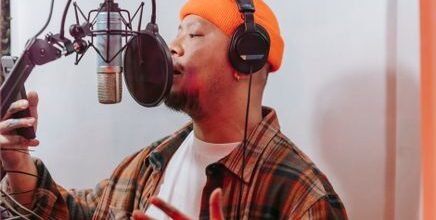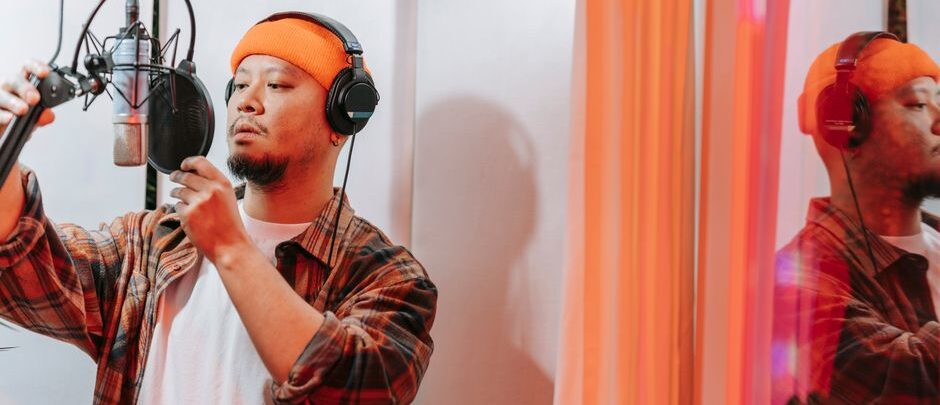
It’s late at night in a converted warehouse in Burbank. Neon from the parking lot flickers through the glass. There’s a patchwork crew in the booth—one veteran voice actor, two junior engineers, and an iPad propped up with someone’s lunch container running a script-sharing app. They’re finishing retakes for a streaming docuseries headed to Hulu, but half the conversation is about auditioning for AI-generated ads next week.
This is not what most people picture when they imagine “voice over.” But this is where American VO work stands right now: somewhere between tradition and algorithm, union rules and gig economy chaos, human nuance and synthetic efficiency.
From Golden Age Booths to API-Driven Studios
Dial back to the mid-1990s—American broadcast networks ruled localization, Pixar was only just discovering celebrity casting for animation, and most commercial spots meant booking time at a brick-and-mortar studio like LA's Outloud Audio or New York’s Sound Lounge. Talent agencies had exclusive rosters; SAG-AFTRA contracts were non-negotiable. You might do five auditions a month, each one handled by your agent with white-glove care.
By 2015, home studios had become standard fare. ISDN lines gave way to Source-Connect, and freelancers from Minneapolis or Atlanta could book national campaigns via online casting portals like Voices.com or Voice123 without ever setting foot in LA. Commercial turnaround times shrank from weeks to days—or less if you had decent gear and knew your way around Adobe Audition.
The ‘AI Voice’ Invasion—and Its Contradictions
Fast forward again: since 2022, synthetic voice technology has gone from curiosity to workflow disruptor. Major post houses on both coasts have quietly integrated tools like Respeecher (Ukraine-originated but widely used in US post) for scratch tracks or even minor background voices. It’s rare for these digital replacements to headline shows—yet—but their presence is unmistakable.
A practical example: When Netflix greenlit the true crime mini-series "Digital Shadows" last year (2023), the primary narration remained human—a recognizable LA-based talent known for gritty documentaries—but all placeholder reads during edit sessions were generated using Play.ht models trained on prior seasons' unused takes. Producers reported cutting workflow time by nearly 40% before ever calling talent into a studio.
At the same time, many commercial production companies are fielding requests for both traditional reads and “AI option” add-ons—sometimes offering clients lower prices if they agree to let neural voices handle non-dialogue lines (think disclaimers or legal copy). According to anecdotal reports from audio post supervisors at Cut+Run LA, roughly 1 in 5 new ad projects now includes some AI-generated segment—even if just temp tracks.
Workflow Realities: Tight Deadlines Meet Digital Pipelines
A recurring scenario: An indie game developer based out of Austin lands a distribution deal with Annapurna Interactive. Their timeline? Four weeks from alpha build to launch trailer localization across three languages. For English VO alone:
- Script revisions happen live via Google Docs (with comments flying in from Paris and Tokyo)
- Main characters cast through Voice123; secondary roles synthesized with ElevenLabs’ voice cloning tools
- Final mix delivered as separate stems so that regional teams can swap lines as needed without re-recording everything
- The original English voice track was recorded over three remote sessions using Cleanfeed links between LA talent and Warsaw directors.
- To meet tight deadlines on secondary characters (~25 minor roles), the team cloned several US-accented voices using Descript Overdub after securing limited licensing rights from each actor.
- The result? Localization completed two weeks ahead of schedule; player reviews noted no noticeable drop-off in vocal performance quality outside hardcore fan forums.
Here, hybridization isn’t futuristic—it’s necessity-born pragmatism. Human actors still carry emotional weight; synthetic voices fill gaps at speed and scale impossible five years ago.
Union Negotiations—and Nonunion Realpolitik
On the labor side? Since SAG-AFTRA’s high-profile strikes in 2023 (primarily over streaming residuals and AI rights), there’s been visible tension between union-protected jobs (feature animation, major network promos) and sprawling nonunion markets (mobile games, YouTube series). Some Los Angeles agencies report up to 30% fewer union-contract bookings compared with pre-pandemic levels—not because demand dropped overall but because buyers are routing more projects through nonunion channels or overseas studios willing to use synthetic voices freely.
Notably, boutique outfits like Brooklyn-based Hyperbolic Audio have carved out a middle ground by specializing in “hybrid” productions—offering clients both union-talent packages and rapid-turnaround synthetic options under distinct project codes.
Remote Collaboration Isn’t Just Here—It’s Evolving Fast
In real cases observed at East Coast audiobook publishers such as Audible Studios Newark branch, session directors increasingly manage entire slates remotely—with talent scattered across Florida condos or Canadian cabins. Editors sync chapter files overnight via Frame.io; pickups get scheduled around bandwidth spikes rather than traffic jams on I-95.
According to staff feedback cited at recent APAC conference panels (Sydney 2024), this shift has actually increased throughput by about 20%, especially when paired with cloud-based DAW solutions (e.g., Pro Tools | Cloud Collaboration).
Case Study: Game Localization Pipeline in Warsaw Meets Hollywood Standards
Take another instance—a Polish localization studio tasked with adapting an American visual novel game for EU release last fall:
What this illustrates is how transatlantic workflows routinely blend Hollywood craft with European resourcefulness—and rely on both human artistry and machine-driven expedience.
Not Every Trend Is Linear—or Predictable
Some audio producers whisper about “voice fatigue”—the sense that audiences may soon tire of polished-but-lifeless synthetic performances peppering everything from TikTok shorts to airline safety videos played across Delta Airlines flights nationwide. Yet brands keep pushing boundaries: Disney Streaming reportedly tested entirely AI-narrated bumpers during pilot runs for its Star+ platform rollout in Latin America last winter—not publicly admitted but discussed off-the-record among freelance mixers who worked those sessions remotely from homes near Santa Monica.
Then there are wildcards no one planned for—the rise of influencer-driven micro-casting (where TikTok creators record catchphrases directly into mobile apps), or small-town radio spots stitched together using local accents licensed briefly through platforms like Speechify Pro Enterprise tier—a setup seen recently in Oklahoma-based agricultural ad campaigns targeting rural listeners almost exclusively via digital radio streams.
What Gets Lost—and What Gets Found?
You still hear it whispered: nothing replaces genuine breath control or an actor riffing off subtle cues live in-studio. Yet budgets rarely allow old-school luxury unless you’re recording global franchises (“Spider-Man,” “Frozen”) or prestige drama podcasts bankrolled by Amazon Music Originals division out of Seattle offices—often demanding full-cast ensemble work reminiscent of late '90s radio theater days at NPR West.
But something else emerges instead: sheer velocity mixed with creative improvisation—the ability to test multiple tonal directions overnight, swap narrative approaches mid-campaign without rescheduling four union actors across three states. At the bleeding edge are creative directors who treat AI-synthesized material as sketchpad drafts rather than finished work—something echoed by comments overheard at GDC San Francisco this March where indie devs swapped horror stories about "uncanny valley" narration breaking immersion until tweaked repeatedly by hand.
db6d64c9b326b67f1268a26f5fee2241-1781257755139