Nobody tells beginners that the world of voice over is shaped as much by what’s in demand as by what’s overlooked. Armenian Voice Over, for instance—how many casting calls have you seen? In larger Los Angeles studios like Bang Zoom! Entertainment, the language barely gets mentioned outside rare documentary dubs. Yet in Yerevan, a bustling cluster of audio booths reveals another story.
Strange Priorities: Why Most Ignore Armenian
Ask a junior talent agent at a European localization company—say, Altagram in Berlin—about their pipeline languages. Armenian almost never makes the shortlist. The logic is simple: market size. Netflix lists only a handful of titles with Armenian audio tracks (a number dwarfed by even niche Scandinavian languages). For most global content distributors, ROI calculations skip over Armenia’s 3-million-strong population altogether.
But then there are outliers. During the surge of streaming platforms around 2019, some regional players—like Armenia’s own Shant TV and PanArmenian Network—started experimenting with higher-quality dubs for imported series. These weren’t always on par with Warsaw-level production values, but they signaled a shift: local audiences wanted more than subtitles.
A Day at SoundLab Yerevan
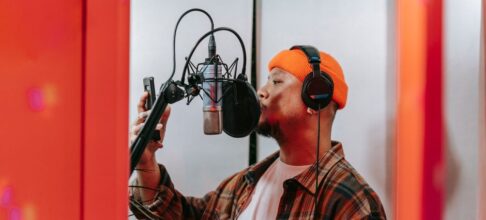
SoundLab Yerevan—a studio nestled near Mashtots Avenue—is where I watched an entry-level voice actor stumble through an episode dub for a Turkish soap opera in 2022. The session ran long; unfamiliarity with technical terms and timing cues slowed things down. Yet the director, himself once a beginner from Vanadzor, insisted this was normal—“There isn’t exactly a standard training program here,” he said dryly.
For beginners, this lack of formal structure can be both curse and blessing. Unlike established dubbing hubs (think Paris or Madrid), Armenian studios rarely filter newcomers based on union status or demo reel polish. They work with whoever shows up—and hustles to learn lip-sync techniques on the fly.
The YouTube Generation: Micro-Budgets and DIY Sprints
Since the mid-2010s, dozens of small digital agencies across Armenia have started posting dubbed educational content on YouTube—math lessons, life hacks, even video game walkthroughs translated into Western Armenian for diaspora kids in Glendale and Marseille.
Here lies one odd advantage for beginners: micro-budget projects require quick learners willing to accept low rates (sometimes $5–$10 per finished minute). There’s little glamour here—but plenty of raw practice hours.
Lessons from Tumo Studios’ Animation Projects
Tumo Studios in Yerevan offers another angle. In 2021, while assisting students on their animated shorts destined for film festivals in France and Georgia, we relied entirely on first-time voice actors recruited from local high schools. Their delivery was rough at first; yet over eight weeks several became noticeably sharper—not just at reading lines but adapting emotion under tight deadlines.
This kind of hands-on experience simply doesn’t exist in most oversaturated English-language markets; competition weeds out amateurs before they hit record.
AI Threat—or Accelerator?
An undeniable tension now comes from AI-assisted voice tools creeping into even niche languages. Companies like Respeecher have begun offering synthetic voices tailored to low-resource tongues—including pilot runs for Eastern European dialects since late 2022. In theory it means fewer human gigs; but so far in Armenia, these tools function mainly as assistive tech—helping beginners match timing or clean up minor pronunciation issues post-recording.
In practical workflows observed last year at Dubbing.am (a mid-sized studio serving both Yerevan-based broadcasters and diaspora clients), AI is used mostly to prep scratch tracks or guide tempo rather than replace talent outright.
Diaspora Demand: An Underrated Driver?
Walk into any media agency serving LA’s Little Armenia district—or Toronto’s vibrant community along Victoria Park Avenue—and you’ll find something curious: advertisers increasingly request native-sounding reads for commercials targeting expats who crave cultural authenticity.
One campaign handled by California-based Orion Media Group in 2023 saw requests triple after switching from generic bilingual narrators to authentic Armenian-speakers sourced via Facebook casting groups out of Gyumri and Vanadzor. The cost per spot hovered around $120—a fraction compared to mainstream English VO fees but still respectable given project scale.
Barriers Remain Real—But So Do Shortcuts
There’s no denying that bigger markets offer more stable paychecks or clearer career ladders. But unlike French or German dubbing scenes dominated by agents and closed rosters, Armenia remains open territory for beginners willing to cold-call studios or take remote gigs found through Telegram channels frequented by Tbilisi-based producers seeking quick turnarounds.