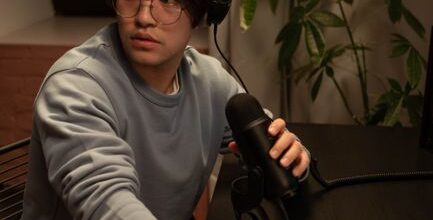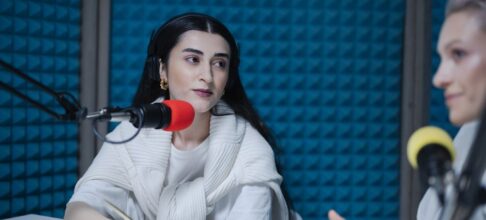
It’s Monday morning in Helsinki. The sun is somewhere behind the clouds, but inside a gray office block near Pasila station, Mikko—a voice actor with a background in theater—steps into a compact booth lined with egg-crate foam. He sips his filtered coffee, adjusts headphones, and glances at a script for a new animated series headed to Disney+. By lunchtime, he’ll have given three wildly different characters their Finnish identity.
This isn’t quite the world outsiders imagine when they hear “voice over.” In Finland, the work is surprisingly fluid and quietly vital—and not just for children’s content or dubbed soap operas. It spans indie video games from Oulu, e-learning modules for international companies entering the Nordics, even public transport announcements recorded in both Finnish and Swedish (and sometimes English) across Espoo’s metro expansion.
Between Subtitles and Full Dubbing: The Finnish Split
The story of Finnish voice over is, at heart, a study in contradiction. Compared to France or Germany where full dubbing is standard fare for everything from Netflix dramas to car commercials, Finland has traditionally been a subtitling nation—except when it comes to content aimed at younger audiences. This split traces back at least to the 1970s when Yle—the national broadcaster—began regular subtitling of imported series while dubbing only animated or children’s programming.
Walk into any studio today: you’ll still find that pattern. Adult-oriented shows get subtitles; Peppa Pig gets full lip-synched dialogue from local actors like Jarmo Koski or Satu Silvo. But as global streaming platforms grew—Netflix launched its Nordic interface around 2012—the demand curve shifted. Suddenly there were more requests not just for classic dubbing but also for partial voice over: narration overlays on documentaries, voice-of-God style intros on reality series rebooted for Finnish channels.
A studio manager at SDI Media Helsinki explained recently how this shift affected workflow: "Five years ago we had one main client needing consistent weekly sessions. Now it’s six or seven clients every month—all with slightly different expectations about sync quality and dialect authenticity.”
Case Study: Remedy Entertainment and Game Localization
One concrete example sits at the intersection of entertainment and technology: Remedy Entertainment in Espoo—the studio behind titles like Control and Alan Wake. In 2019, Remedy undertook its most ambitious multilingual project yet for Control’s pan-European release.
While larger markets received full-scale motion capture dubbing (French, German), Finnish gamers got a hybrid approach: key cutscenes dubbed by professional actors sourced through Helsinki-based specialists (such as Pre-Stage Sound), while secondary dialogue remained subtitled or delivered via text-to-speech test tracks during QA phases.
Remedy’s localization lead described it as “a balancing act between maintaining authenticity—the dry wit you can only really nail in native Finnish—and production realities.” According to internal estimates shared after launch, around 18% of Finnish players opted for full voice over tracks if available; most toggled between subtitle modes depending on context.
Recording Booths in Turku — A Workflow Snapshot
In Turku—a city known more for medieval architecture than audio production—a small team operates out of an adapted row house basement producing radio ads and corporate training videos destined for S-group (the country’s largest retail cooperative).
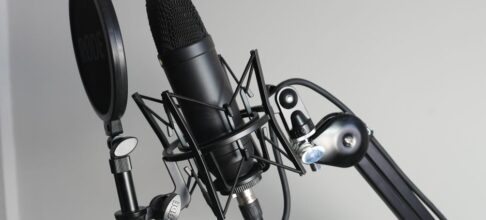
Typical session? Three hours booked via Google Calendar shared among freelance actors who rotate through pop-up studios equipped with Neumann microphones and Ableton setups running on Mac Minis. Scripts arrive overnight from translation agencies like Lingsoft Oy; last-minute changes are common due to product launches shifting dates or regulatory compliance tweaks.
"Sometimes," explains Kaisa Laakso, who manages bookings here, "we’re re-recording lines at 8am because marketing needs two extra adjectives squeezed into a thirty-second spot before breakfast." Turnaround times average under 48 hours—high speed by regional standards—even though project volumes rarely exceed fifty minutes per week per client.
The AI Inflection Point (But Not There Yet)
Since mid-2021, some corporate clients have floated using AI-driven TTS tools—SonicCloud being trialed by an insurance company based in Tampere—to automate routine explainer videos. Results so far? Mixed reception. For e-learning modules intended only for internal staff onboarding or compliance purposes, synthetic voices make sense cost-wise (upfront licensing plus minimal session fees). But whenever scripts require nuance—a hint of sarcasm in HR safety briefings or playful energy in Christmas campaigns—the feedback loop returns inevitably to human talent.
A localization producer working with Elisa Viihde noted last fall that “about 30% of pilot projects end up reverting back to live recording after initial feedback sessions show users disengage faster with robotic reads.”
AI isn’t replacing the booth quite yet—but it is reshaping budgets and timelines across midsize agencies who now offer hybrid packages: part human performance layered over synthesized base tracks for consistency across dozens of short segments.
From National Broadcasters to Boutique Studios — Scale Matters Less Than You Think
The big names—Yle Studios in Pasila; commercial giants like MTV3's post-production division—still control legacy broadcast work. But the lifeblood of contemporary Finnish voice over pulses through much smaller operations scattered across cities like Jyväskylä or Rovaniemi.
Consider Piste Production Oy: founded in 2006 as a two-person outfit making radio jingles for Lapland resorts. By late 2022 they’d expanded their portfolio to include podcast intros voiced by local celebrities plus interactive museum tours translated into Sámi languages (a rare specialty). Their annual output remains modest compared to Stockholm studios—roughly 70–80 finished hours per year—but their agility means they can turn around region-specific adaptations within days rather than weeks.
International Demand Grows — Slowly but Surely
Netflix Nordics reports that since launching its tailored service interface twelve years ago, demand for localized audio—including narrations and overdubs—for Nordic-produced originals has grown about 12–15% annually within Finland alone (internal figures cited by localization partners).
Yet expectations remain pragmatic. No one expects the entire back-catalogue of global hits will ever receive full Finnish dubs; instead media buyers target premieres likely to attract family viewing during holidays or franchise tie-ins with proven youth appeal—as seen when Pokémon films consistently receive top-tier local treatment while prestige dramas remain subtitled only.
Meanwhile tech startups such as Speechly out of Helsinki are experimenting with real-time speech-to-text overlays designed specifically for accessibility compliance—a nod both to Finland’s progressive legislative environment and its aging population increasingly reliant on multimodal content delivery.
Nuance Above All Else — What Clients Really Pay For
If there’s one thread connecting all these workflows—from AAA games down to niche cultural podcasts—it’s that nuance wins out every time budget allows. Studio directors repeatedly stress that “native intuition” trumps even the slickest machine learning models when it comes to inflection patterns specific to Helsinki slang versus rural dialects spoken west of Vaasa.
A senior mixer at Yle Audio summed up his philosophy last winter after wrapping post on a nature documentary: “You want Finns to forget they’re listening to anything ‘foreign’ at all—that means casting people who know how this language bends around irony.”
In practice this means extensive casting rounds involving actors from both classical theater backgrounds (the National Theatre remains fertile ground) as well as digital-first talents discovered via YouTube channels with strong Gen Z followings—a blend rarely found outside Scandinavia until very recently.
Conclusion? There Isn’t One—Just More Layers Unfolding
Ask ten professionals what defines Finnish voice work right now—you’ll get ten answers marked by pragmatism (“we subtitle unless we must dub”), innovation (“we’re piloting AI but not convinced”), tradition (“radio ad rates haven’t changed since early 2000s”) and constant negotiation between budget constraints vs cultural fidelity.
For every high-gloss campaign produced by Magneetto Media out of downtown Helsinki there are half a dozen quick-turnaround explainer jobs running through basements in Kuopio or shared Dropbox folders linking freelancers spread across Vantaa suburbs.
What unites them? A stubborn refusal—inherited perhaps from sauna culture—to settle too quickly into easy answers or generic templates. If there is magic anywhere inside Finnish voice over today it lives precisely here—in producers pouring another cup of coffee long after sunset trying once again…to find just the right word.