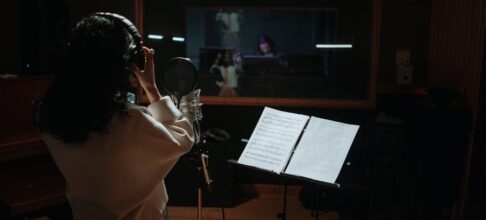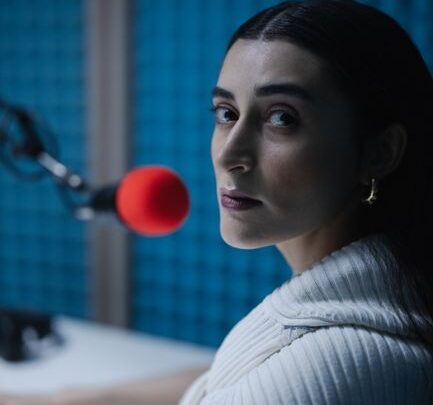
The morning I spent at Studio Nova in Tirana did not go as planned. I had pictured a tidy, clockwork process—scripts arriving, actors stepping into booths, engineers hitting record. Instead, there was a string of WhatsApp audio notes, two last-minute script changes (one demanded by a pharmaceutical client in Milan), and the unmistakable anxiety of someone trying to sync an ADR session with subtitled footage exported from DaVinci Resolve. This is what Albanian voice over looks like behind the glass: improvisational, pressed for time, and quietly ambitious.
The Unseen Borders of a Small Language
Unlike Spanish or French, Albanian’s global reach is compact yet fiercely loyal. There are roughly 7 million speakers worldwide; most reside in Albania and Kosovo, but diaspora communities stretch from Zurich to Detroit. When Netflix announced its first-ever subtitled-only drama for the Albanian market back in 2018, many local studios felt both slighted and relieved—dubbing would’ve been a financial risk for them. Streaming giants still opt for subtitles over full dubbing except on top-tier children’s content or when compliance requires it (think educational programming). But commercials and regional TV? These are voice-over territory.
Case Study: A Tirana Agency Navigates Multilingual Campaigns
Take Agna Media—a mid-sized media agency based in Tirana. In early 2023 they landed a pan-Balkan campaign for a German automaker launching electric vehicles across Southeast Europe. The catch: every country wanted its own flavor of adaptation. The Serbian office pushed for full cast dubbing; Macedonia insisted on local celebrities voicing spots; only Albania settled for classic narration style voice over—a single narrator weaving through visuals with unobtrusive authority.
Their workflow involved:
- Translating scripts directly into Tosk Albanian (the standard dialect)
- Casting one male and one female voice familiar to national audiences from radio promos
- Recording sessions stretched over three days due to late-arriving creative edits from Munich
- Using Adobe Audition paired with iZotope RX for cleanup—rarely Pro Tools, as licenses were cost-prohibitive for their scale
- Final mix delivered as stems to the regional post house in Sofia
- Agency sends script via email… sometimes WhatsApp if urgency trumps protocol;
- Talent records remotely using Rode NT1 mics—often patching into session directors through Viber due to spotty Zoom connections;
- Engineer cleans up takes onsite using basic noise gates before exporting clean WAV files back to agency Dropbox folders;
- Mix tweaks happen fast—sometimes within hours—as feedback bounces between marketing managers now scattered across Vienna and Skopje offices post-pandemic.
- Scripts arrive encrypted via Google Workspace shared drives;
- Talent records locally then uploads high-res audio overnight;
- Sessions coordinated using Slack threads spanning four time zones;
- Final output gets mastered simultaneously in New Jersey and Pristina before being distributed directly onto Instagram reels via bespoke social media teams embedded inside client offices in Basel or Ulcinj.
Budgets dictated much of this pipeline: per-minute rates hovered around €50–70 for narration versus up to €200/minute if they’d attempted full character dubbing.
Not Quite Dubbing: The Hybrid Approaches That Stick Around
Albanian television history is dotted with hybrid solutions—a legacy of the ‘90s economic chaos that shaped the industry’s pragmatism. During the late 1990s, when Turkish soap operas exploded on RTSH (the national broadcaster), translation teams typically opted for what locals call “voice over by overlay”: one actor reading lines just above the original dialogue volume while images played unaltered beneath. It wasn’t elegant but it worked—and viewers accepted it as normal.
By mid-2010s, commercial agencies started experimenting with proper lip-sync dubbing using young talent trained at Art Kontakt Academy in Tirana. Still today, less than 15% of TV spots use lip-synced full cast dubbing—the rest rely on narrative or semi-narrative overlays.
Tech Adoption Lags Behind Western Europe—but AI Is Knocking On The Door
While Berlin or Warsaw-based localization houses deploy AI-assisted workflows to accelerate multilingual output (Papercup's synthetic voices have begun cropping up on regional Discovery+ platforms), most Albanian studios remain traditionalists out of necessity. Broadband infrastructure variances mean cloud collaboration can be unreliable outside major cities like Tirana or Pristina.
Yet cracks are showing: In 2022, Nova Studio began piloting Respeecher’s AI voice cloning tech—not to replace narrators outright but as an emergency backup when contracted talent fell ill before an urgent government PSA deadline. Even so, only about 5–10% of annual projects touch any AI toolset; trust issues and audience sensitivity slow adoption far more than technical know-how does.
Talent Pool Realities—and Why Familiar Voices Dominate Airwaves
Every autumn brings an influx of fresh graduates from the University of Arts seeking work at agencies like Top Channel or Vizion Plus TV—but only a handful ever land recurring VO gigs. There simply aren’t enough large-scale productions needing dozens of distinct voices per project—unlike Poland's bustling localization sector where Netflix alone keeps hundreds active year-round.
Instead, listeners hear trusted voices again and again: Erisa Xhixho narrates bank ads one week and e-learning modules the next; Redi Strazimiri transitions seamlessly between animated movie trailers and Ministry of Health updates. Voice recognition breeds brand affinity—even small-town businesses request "the woman who did that chocolate ad" by name during casting calls.
On average, freelance rates hover around €30–60 per finished minute depending on usage rights—a fraction compared to London or Paris studios—but steady enough that established artists can piece together sustainable annual incomes via agency retainers plus side work for YouTube creators targeting diaspora kids’ channels based out of Lausanne or Boston.
Patchwork Postproduction: Where Audio Meets Old Habits
In practice, postproduction is often more art than science here. Soundproofing ranges wildly—from repurposed apartment bedrooms lined with heavy curtains to modest pro setups built with EU development grants after 2014’s digital switchover mandates hit public broadcasters hard. It isn’t unusual to see engineers running Audacity alongside pirated plug-ins rescued off long-defunct Russian forums just to meet tight deadlines when budgets don’t stretch far enough for industry-standard hardware upgrades.
A typical delivery scenario might look like this:
Even with these idiosyncrasies, turnaround times rarely exceed 48 hours unless bureaucracy gets involved (public tenders still demand paper contracts signed in triplicate).
Beyond Borders: Diaspora Voices Fuel New Content Streams
One trend impossible to ignore since 2020 is cross-border collaboration driven by diaspora creators leveraging online platforms like Upwork and Fiverr—or even TikTok live events tailored exclusively in Albanian dialects rarely heard on mainstream TV anymore (Cham Albanian outposts spring up regularly among expat communities).
iVoice Studios—a boutique New York–based agency run by second-generation Albanians—reports that nearly half their business now comes from producing explainer videos localized not just linguistically but culturally for insurance companies expanding services into Kosovo’s urban centers and Switzerland's emerging fintech startups courting ethnic-Albanian customers under age 35.
iVoice relies heavily on remote workflows:
iVoice founder Edona Kodra claims this model slashes costs by almost 40% compared to traditional agency production chains—a number echoed by other diaspora-led shops popping up from Toronto to Melbourne since lockdown-era travel restrictions forced everyone online overnight.
h2>Albanian Voice Over Is Still About Trust And Texture
h3>Why Compromise—and Craft—Matter More Than Ever
h4>There may never be blockbuster budgets here
but listen closely during ad breaks on Radio Televizioni Shqiptar or scroll through TikTok videos tagged #shqip—all you’ll hear are familiar cadences carrying stories across borders real and imagined. Each workaround reveals something vital about how small markets keep their sound personal even as technology presses ever closer toward automation.