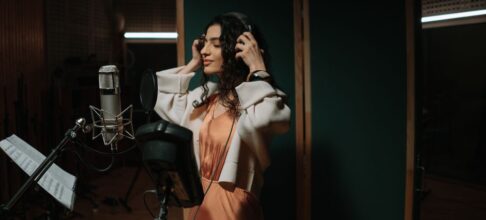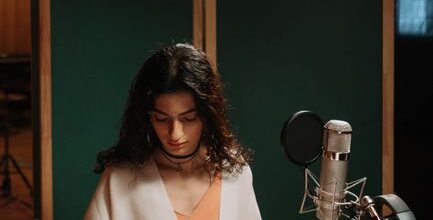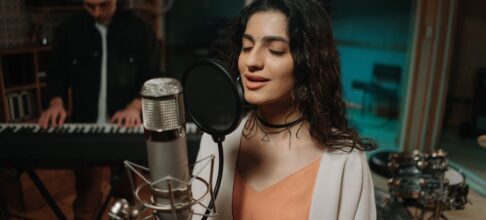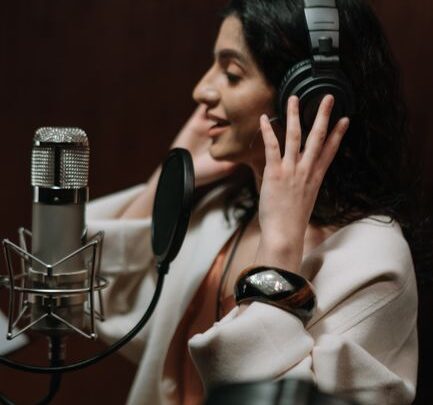
There’s a point in every studio session where the script—no matter how well translated—just doesn’t land. The engineer sighs, the director runs fingers through hair, and the voice artist waits for guidance. This tension isn’t unique to English or Japanese productions; it’s especially acute in Arabic voice over. The blend of linguistic nuance, regional dialects, and cultural expectations is something streaming giants like Shahid (MBC Group’s flagship) learned the hard way when they ramped up original content production after 2019.
When Literal Translation Collides with Reality
In one memorable campaign at a Cairo-based ad agency in 2022, a multinational beverage brand wanted to roll out a pan-Arab TV spot. Their initial approach: translate US-produced copy into Modern Standard Arabic (MSA), record with a single voice talent, and call it a day. The result? Flat delivery—and blank stares during focus groups in Casablanca and Riyadh alike. Audience feedback was brutal: “It sounds like my schoolteacher reading instructions.”
The fix required on-the-fly adaptation sessions, with local Moroccan and Saudi artists improvising around core concepts instead of rigid scripts. In real-world terms, this meant three distinct regional recordings for what had been planned as one universal track—a workflow shift that increased studio time by 30% but doubled brand recall rates compared to previous campaigns.
It’s Not Just About Dialect—It’s Performance Culture
Arabic voice over work is rarely just technical; it’s performative at its core. Think about the energetic style of animated series dubbed for Spacetoon in Dubai since the early 2000s versus Netflix originals localized more recently by Egyptian studios like Masreya Media. The legacy Spacetoon model prioritized clarity and MSA uniformity to reach millions of young viewers across borders—but today’s adult dramas might demand colloquial Egyptian or Levantine voices to feel authentic.
Take "AlRawabi School for Girls" (Netflix, 2021), which was produced in Jordan but needed both MSA and Levantine tracks to satisfy viewer segments across North Africa and the Gulf. Netflix’s localization partners reported roughly 18% higher engagement on episodes that matched viewers’ native dialect preferences—a data point driving many studios to rethink their casting rosters.
Inside a Mid-Sized Studio Workflow: Beirut Edition
Walk into Cedar Voices, a mid-sized Beirut audio house regularly contracted by European game publishers for Middle Eastern releases since at least 2017, and you’ll find an unusual pipeline:
- Scripts prepped first in English are reviewed by two bilingual linguists specializing in both MSA and regional slang.
- Table reads with actors from Lebanon, Syria, Egypt—sometimes Tunisia if budget allows.
- Directors reference not only pronunciation guides but also gameplay footage or original video scenes.
- Recording engineers flag any phrasings that might sound off-color or jarring between Levantine and Gulf markets (these often get replaced on the spot).
- Final mixes include multiple audio tracks selectable per territory—a feature some platforms didn’t bother with even five years ago but now consider standard practice for premium releases targeting Saudi Arabia or Morocco.
The founder told me that prior to 2018, clients rarely requested more than one Arabic version per project; now almost half require distinct Gulf and North African tracks.
AI Enters—But Doesn’t Replace Human Nuance (Yet)
Companies like Respeecher have made headlines supplying synthetic voices for major Western games—but when an Istanbul localization vendor tried deploying AI dubbing tools for an Egyptian telecom commercial in late 2023, subtle emotional beats were lost. Human directors flagged mismatches instantly: "No algorithm can yet mimic the comic timing of an Alexandrian street vendor," said one producer on set.
That said, AI-driven editing tools are speeding up post-production by nearly 25% according to estimates from two boutique studios operating between Amman and Dubai. Automated mouth-flap alignment is increasingly common in children’s animation dubs; however, final approval still rests with human ears attuned to intonation oddities unique to each dialect group.
Brief History: From Satellite TV Boom to Streaming Wars
Much of today’s approach traces back to the satellite TV explosion of the late ’90s—when pan-Arab networks like MBC began commissioning large-scale dubbing projects from Egyptian studios such as Sama Art International. Fast forward: By mid-2010s, digital-first players (StarzPlay Arabia launched 2015) forced traditional broadcasters into new workflows prioritizing faster turnaround times without sacrificing authenticity.
Regional competition heated further when Disney+ finally entered West Asia/North Africa markets around 2022—with Arabic-language launches accompanied by locally cast voice overs rather than recycled global tracks. This led Dubai-based agencies scrambling for younger talent able to deliver both classic Disney charm and contemporary slang-laden dialogue demanded by Gen Z audiences in Jeddah or Rabat.
Concrete Example: Gaming Localization – Warsaw Meets Cairo
An indie RPG developer based near Warsaw sought Arabic localization ahead of their launch into Middle Eastern markets last year. Rather than relying solely on freelance translators found online—a pattern common until about 2020—they partnered directly with Cairo's AlMashrabya Studios due to its track record adapting narrative-heavy games like "Pathway" (originally released globally in 2019).
Their process?
1) A hybrid remote/in-person table read involving Polish producers via Zoom alongside three Egyptian voice actors familiar with gamer lingo.
2) Real-time script tweaks based on line-by-line delivery feedback—not just literal translation fixes but rhythm adjustments so banter felt natural during fast-paced combat scenes.
3) Delivery of two separate audio tracks: one using neutral MSA for broad accessibility; another peppered with Cairene expressions tailored specifically for streamer influencers popular among young Saudis and Emiratis on Twitch.
4) Post-launch player surveys indicated that approximately 60% preferred having both options togglable—a feature now baked into subsequent updates across all language versions as part of standard game patch notes.
Casting Realities—and Why Gender Still Matters
Unlike English-speaking regions where gender-neutral casting has become common since early Netflix era post-2016, most major Arabic campaigns still default heavily toward male narrators outside animation or children's content. A recent review of Ramadan TV spots airing across Sharjah-based Al Majlis channel revealed roughly four out of five were voiced by men aged 35–50—a tradition tied less to technical capability than audience expectation shaped over decades by radio serials dating back as far as Radio Cairo's heyday in the ’60s.
That said, there are signs this is changing—in part thanks to web-first brands targeting millennials who grew up streaming YouTube creators from Beirut or Alexandria rather than watching state-run broadcast news anchors. Agencies report a slow uptick (about 10–15% yearly growth since pre-pandemic) in requests for female-led narration styles modeled after podcast formats popular among under-30 audiences throughout Jordan and Lebanon particularly.