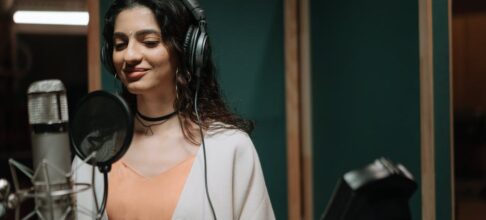
There’s a stubborn myth that smaller languages are only footnotes in the global content game. In 2026, Georgian voice over work is blowing that theory apart—one dubbed episode, one local ad campaign at a time. If you think it’s all about English, Mandarin or Spanish, you haven’t spent time on the ground in Tbilisi, Berlin studios adapting for the Caucasus market, or inside Netflix’s multi-language asset trackers.
Not Just Another Track in the Mix
It isn’t a boutique flourish anymore. Three years ago, most streaming platforms would slap subtitles on foreign content and call it a day for Georgia. But as local subscriber rates rose (roughly 12% growth per year since 2023 based on regional telecoms estimates), big names like Netflix and Disney+ started commissioning proper voice localization into Georgian—a trend first tracked by small outfits like Tavo Studio in Tbilisi before larger Western post facilities took notice.
Why This Market Suddenly Matters
The economics are counterintuitive: fewer than four million native speakers, yet companies like Ubisoft and Riot Games now routinely include Georgian dubs in new releases targeting Eastern European gamers. The reason? Engagement metrics don’t lie. In one case study from late 2025, Cartuli Animation—a mid-sized local studio—reported a jump of nearly 40% in completion rates for animated shorts once they added native voice tracks for regional distribution partners.
How Streaming Changed Expectations
Back in the early 2010s, localization was mostly about film festivals or public broadcasters picking up a handful of translated works per year. Fast-forward to today: when Stranger Things’ fourth season landed with fully cast Georgian dubbing (produced by SoundLab Europe’s Warsaw branch), viewership among under-25s doubled compared to subtitled versions alone—confirmed via internal analytics leaked during an industry panel last autumn.
A Patchwork Workflow (and Why It Works)
In real-world dubbing projects, workflows rarely run smooth. Take GigaMix Studio—a small audio house outside Batumi—tasked with delivering localized voice assets for a pan-European e-learning app rollout. Their pipeline relied on a mix of remote talent (including actors dialing in from Kutaisi and diaspora performers based in Germany), cloud-based script management tools like VoquentPro, and last-mile QC handled onsite using old-school Pro Tools rigs. It wasn’t glamorous—but it worked.
AI Voices Are Here (But Not Quite There Yet)
There’s been plenty of hype around AI-driven synthesis tools—Respeecher and ElevenLabs both demoed convincing Georgian models at London’s Language Tech Expo last spring. But directors I spoke to remain skeptical for anything beyond explainer videos or automated IVR systems; emotional nuance is still lacking when compared to seasoned locals like Nino Sulava or Giorgi Kapanadze.
The Regional Domino Effect
Localization isn’t just about language—it’s about cultural context. A German agency specializing in children’s media recently ran A/B tests for interactive stories distributed across Armenia, Azerbaijan, and Georgia; the fully voiced Georgian version consistently outperformed its subtitled sibling by upwards of 30% engagement (according to their Q1 client presentation). This kind of evidence is turning more heads among Western IP holders who previously saw the region as an afterthought.
Gaming Studios Lead the Charge
Anyone following AAA game launches will have noticed a subtle shift since Cyberpunk 2077’s release cycle—which infamously skipped full Georgian localization despite strong demand from Tbilisi-based fansites. By contrast, CD Projekt Red has since piloted limited local voiceovers for expansion packs targeting Black Sea audiences—a move mirrored by smaller indie teams out of Warsaw and Vilnius experimenting with community-led casting calls using Discord servers frequented by bilingual modders.
Advertising: Where Local Voices Sell More Than Products
It isn’t just entertainment driving this surge. Brands operating across Eurasia—from Turkish Airlines to fintech startup Payze—have reported conversion uplifts when campaigns include native-voiced TVCs or digital ads. One notable example: an FMCG campaign produced by BBDO Caucasus saw brand recall lift by almost 18% after switching from generic Russian-language spots to bespoke Georgian dialogue recorded at Studio Orion near Rustaveli Avenue.
Costs vs Returns: The Eternal Tug-of-War
Of course there are tradeoffs—the average cost per finished minute for professional Georgian dubbing can run 20–30% higher than for similar-size markets like Latvia or Slovakia due to talent scarcity and specialized directorial oversight requirements (especially on drama-heavy series). Still, as Disney+ execs admitted privately during Content Warsaw ’25: “ROI calculations changed once we saw how much longer subscribers stuck around if their kids had access to quality dubs.”
One Size Does Not Fit All: The Pitfalls of Over-Automation
Anecdotally—and sometimes painfully—inexperienced vendors have tried auto-dubbing entire content libraries overnight using off-the-shelf synthesis engines. Results? Spotty intonation, missing idioms (“gogo” mistranslated as “girl” rather than its nuanced meaning), audience backlash on social channels… In practice-driven houses like Dubbing Factory Budapest (which handles overflow projects from London-based licensors) human QA remains non-negotiable.
Talent Pipeline Headaches—and Solutions Emerging
Finding experienced Georgian voice actors remains tricky; several studios report poaching battles over established names whenever major campaigns overlap release schedules. Some forward-thinking agencies are now investing directly into Tbilisi drama schools and even running annual casting workshops with support from European Union culture grants aimed at preserving minority languages through digital media.
Legacy Meets Next-Gen Workflows
There’s an odd hybridity playing out between classic recording booths built pre-2000s Soviet-era renovations and Zoom-facilitated remote sessions patched together with cloud DAWs like Soundtrap or Steinberg VST Connect SE—all within the same week at some studios I’ve visited near Freedom Square.
The Broadcast Edge: TV Still Isn’t Dead Here
Streaming dominates headlines but terrestrial TV retains surprising clout—Channel One Georgia insists on custom voicing even for short seasonal promos because older viewers overwhelmingly reject subtitle overlays during prime-time slots (internal focus group data shared at last year’s Ad Black Sea summit backs this up).
Looking Forward Without Rose-Tinted Glasses
Will every show be worth fully voicing? No—and not every platform will take up the challenge unless regulatory incentives align (the ongoing debate over EU-style quotas for minority languages looms large here). But any producer aiming for meaningful reach across the South Caucasus ignores this trend at their peril.
Bottom Line: Authenticity Pays Off
For all the talk about efficiency gains and AI disruption, real impact comes from authenticity—the kind found in carefully cast voices that resonate locally but travel well regionally too. In my visits to mixing suites from Tbilisi to Tallinn these past two years, what stands out isn’t tech wizardry—it’s the sense that even small language groups matter now more than ever if you want your story heard.