Voice over isn’t just about finding the right voice. In Albania, it’s a collision of languages, legacy, and a surprisingly nimble industry that adapts faster than most outsiders might expect. But if you ask anyone working behind the scenes at studios like AudioProject (based in Tirana), they’ll tell you: Albanian voice over is less about technical wizardry and more about cultural survival.
The Peculiar Double Life of Albanian Media
There’s a kind of paradox at work here. On one hand, almost 60% of prime-time TV content in Albania still consists of imported shows—Turkish dramas, American sitcoms, Italian reality series. Yet unlike neighboring Serbia or Greece where full dubbing is common, Albanians have long preferred subtitling. Why? During the late 1990s and early 2000s, as international media flooded post-communist airwaves, quick-and-dirty subtitles allowed for speed and flexibility.
But streaming changed everything.
Netflix entered Albania in 2016. Suddenly, viewers expected not only subtitles but also high-quality voice localization for animated content, children’s programming, and even select video games. A Tirana-based workflow manager I spoke with recalls the scramble: “Overnight we had to re-train actors—some who’d never done any dubbing before.”
Inside a Studio: Where Voices are Made
At AudioProject’s modest but buzzing facility on Rruga Barrikadave, casting sessions rarely run to schedule. Scripts arrive late from London or Berlin; translation is often collaborative chaos between linguists and directors trying to balance accuracy with colloquial flair.
A real-world example: For an Italian animated series recently adapted for Top Channel (Albania’s leading network), workflow looked like this:
- Source scripts delivered in English (not Italian)
- First-pass translation by a local linguist specializing in children’s dialogue
- Table read with three experienced Albanian actors—one doubling up on roles due to budget constraints
- Director adjusts tone after feedback from focus group screenings (often groups of school kids from central Tirana)
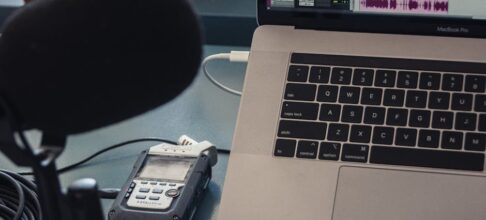
- Final takes recorded using Pro Tools and iZotope plugins for noise reduction—a necessity because outside traffic can bleed into the studio after 3pm
- Game scripts featured idioms that don’t exist in Albanian; translators consulted pop culture experts from Pristina universities to avoid clunky literalism.
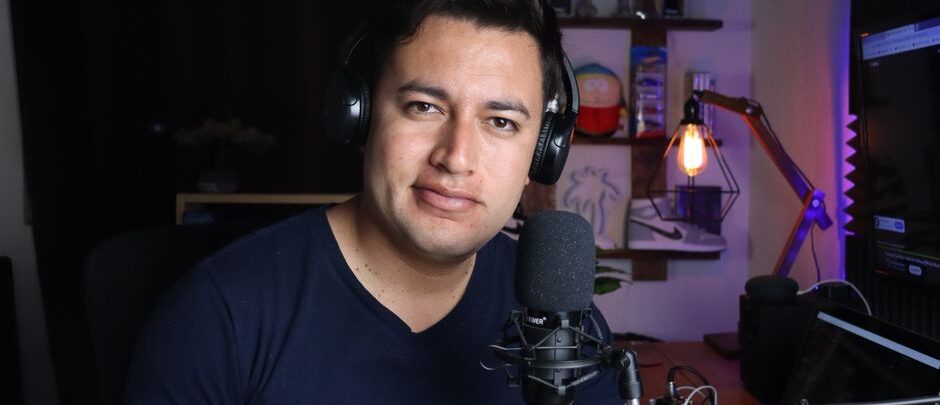
- Remote direction happened via Zoom due to Covid restrictions—sometimes recording lines from makeshift home booths lined with mattresses.
- Albanian VO talent doubled up as QA testers—the only way to catch nuances lost during adaptation.
Turnaround? Typically under two weeks per episode—much tighter than comparable studios in Sofia or Athens.
From Subtitles to Full Dubbing: A Reluctant Shift
Why hasn’t Albania embraced dubbing sooner? Tradition plays a role—but so does economics. Voice talent pools are smaller here than in Italy or Poland; trained dubbers number fewer than 40 nationwide according to managers at RTSH (the national broadcaster). For years, ad agencies got by voicing commercials with news anchors moonlighting off-hours.
However, global campaigns make different demands. Since 2021, projects for brands like Coca-Cola and Vodafone have required full campaign adaptation—not just translated copy but regionally accented voices that align with pan-Balkan strategies.
In one memorable campaign for an EU-funded project on youth employment (2022), four versions were produced: standard Albanian; Gheg dialect (for northern audiences); Tosk dialect; and Macedonian-Albanian mix for border regions.
Gaming Enters the Scene—and Pushes Boundaries Further
If there was ever doubt about the future of Albanian voice work, it vanished when European game studios started looking eastward for new markets around 2020–21. A Polish mobile developer partnered with a small team out of Durrës to localize quest dialogue for their RPG title “Legends Beyond Borders.”
The process was anything but straightforward:
By launch day the company reported user retention rates among Albanian players rose roughly 12% compared to previous English-only releases—a small win statistically but seismic culturally.
The AI Question Isn’t Academic Anymore
When ElevenLabs announced support for minority languages—including Albanian—in mid-2023, several Balkan audio studios immediately began experimenting with synthetic voices. But skepticism runs deep here. At MediaVoice Studio near Skanderbeg Square, engineers tested AI-generated narration for an e-learning module targeting rural teachers—but audience response was mixed:
“People said it sounded cold—like someone reading instructions at customs,” says Ardit K., senior sound engineer. Result? The studio now uses AI tools mainly for timing references and scratch tracks rather than final delivery.
Still: industry insiders privately admit that more than one mid-tier production house has started offering hybrid workflows—AI draft followed by human touch-up—to meet impossible deadlines set by overseas clients chasing pan-European launches.
It’s not just hype or resistance; it’s a negotiation between speed and authenticity—and no one I spoke with expects this tension to resolve soon.
Small Market Realities Breed Unusual Solutions
Budgets remain tight—and creative solutions abound. It’s not unheard-of for lead actors from Theater Kombëtar (National Theatre) to moonlight as commercial VO artists during festival season simply because "everyone knows everyone." One producer jokes that every third cousin in Tirana has lent their voice to something on radio or TV "at least once."
Yet this fluidity means fresh talent emerges regularly; a well-known case being Elira P., whose breakout performance voicing both villain and narrator in a popular children’s audiobook led Spotify Balkans’ trending charts last spring—itself a micro-milestone given how few regional productions break through algorithmic barriers on global platforms.
But there are limits: advertising agencies note that top-tier voiceover rates have risen close to 20% since late 2021 as demand outpaces supply—a trend echoed across much of Southeast Europe according to data shared informally among agency heads at last year’s Sarajevo Media Days conference.
Dialects Matter More Than You Think
in France or Germany you might get away casting any native speaker—but not here. Regional pride runs high; Gheg vs Tosk accents can define audience trustworthiness on radio ads or public service announcements. In Kosovo-based productions targeting diaspora audiences abroad—in Switzerland or Germany especially—producers insist on blending accents within a single spot for broader appeal without alienating purists back home.
in actual studio practice, this means double takes—or entirely separate recording sessions—with scripts tweaked line-by-line depending on whether end viewers are urban Gen Zers from Tirana or first-generation émigrés tuning in from Zurich suburbs.
Training—and Retention—Remains Patchwork
since no dedicated university program exists yet (as of early 2024), most training happens via workshops run by older radio professionals or informally at production houses themselves—some modeled loosely after methods seen at Poland's SDI Media facilities but adapted locally out of necessity rather than design. Smaller regional hubs like Shkodra rely heavily on returning émigré talent who bring back experience honed abroad—a pattern especially visible following COVID-era disruptions when borders opened up again post-lockdowns.
some speculate that formal training programs may surface within public arts institutions over the next couple years if growth continues at its current pace—an estimated annual increase between 10–15% since pre-pandemic levels based on job board listings tracked by recruiters in Tirana's tech-adjacent neighborhoods like Blloku district.