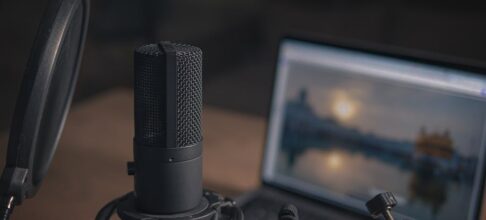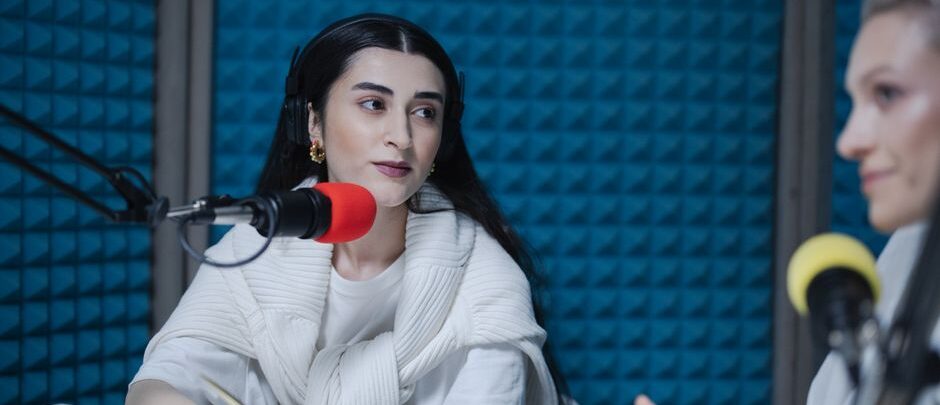
It’s two in the morning in a small Cairo studio and, for the third time tonight, an audio engineer asks the voice artist to retake a single word. Not because of accent—she’s natively Egyptian—but because the client wants “a more pan-Arab delivery.” The script is for an animated series headed to Shahid VIP, one of MBC Group’s streaming platforms, and the regional demands are quietly at war with local nuance. This is not unusual; it’s practically the daily reality behind Arabic voice over work in 2024.
A Market Fragmented by Language—and Expectation
Anyone who has worked on localization projects in North Africa or the Gulf quickly learns that “Arabic” is not one language but a shifting landscape of dialects, registers, and social sensitivities. When Netflix first started commissioning dubbed content for its MENA audience back around 2016, studios in Beirut and Dubai scrambled to answer: Do you aim for Modern Standard Arabic (MSA), which can sound stiff or formal? Or do you target a specific dialect—Egyptian being most widely understood in entertainment—or risk alienating other territories?
By 2022, internal reports from regional localization companies like Dubbing Brothers MEA suggested that nearly 60% of their streaming projects were split between MSA and colloquial variants. The remaining chunk was often hybridized—a narrator might speak MSA while characters drop into Syrian or Khaliji inflections mid-sentence. It’s messy, sometimes jarring, and always political.
Tools Are Catching Up—But Slowly
The rise of AI-based dubbing services hasn’t solved these headaches. In fact, it has exposed them further. Deepdub—a company out of Tel Aviv that began marketing AI-driven voice replication solutions to Middle Eastern clients last year—can produce uncanny likenesses of celebrity voices. But ask it to generate dialogue that feels authentically Moroccan versus Jordanian? The subtleties still trip up even state-of-the-art models.
In actual production environments observed in Istanbul-based post houses like Studio21 FX (which services both Turkish and pan-Arab clients), project managers often resort to hybrid workflows: real human actors for lead roles where emotional tone matters; synthetic voices only for background chatter or fast-turnaround promo spots. That means traditional casting sessions remain busy—and expensive—even as automation promises efficiency elsewhere.
Case Study: A Riyadh Agency’s Launch Campaign Snafu
Consider this scenario from last September: A Saudi mobile gaming publisher working with Vox Arabia, a Riyadh-based agency specializing in game localization, rushed a campaign launch ahead of Eid al-Fitr. They used a mix of AI-generated MSA narration and live-acted Emirati dialogue for cutscenes—intending broad appeal across GCC markets.
Within days, user feedback on Discord revealed sharp dissonance: Saudi players found some terms stilted or comic; UAE streamers highlighted minor pronunciation quirks as “robotic.” According to Vox Arabia’s project manager at the time (speaking off-record), they had to re-record about 35% of lines with native speakers from Jeddah and Dubai before running new ads on Snapchat and TikTok.
Why Context Still Wins Over Technology
There’s an illusion—especially among Western media buyers—that once you have scripts translated into Arabic, everything else is plug-and-play. On paper it makes sense: big names like Disney+ or Discovery rely on scalable solutions across Europe all the time. But context kills this assumption fast.
Take children’s animation broadcasting on Al Jazeera Kids versus Spacetoon—the former insists on flawless MSA down to every vowel mark (to support educational standards); the latter chases relatability with lightly Egyptianized delivery even if grammar bends here and there. Voice directors describe constant negotiations between accuracy and charm—a balancing act rarely seen in English-language equivalents except perhaps with British/American variants.
Studio Realities: Budgets Meet Cultural Pressure
In practice, budgets don’t always keep pace with complexity. Mid-sized outfits like Cairo Sound Studios typically juggle up to six concurrent productions per season during Ramadan peak cycles. Talent pools are stretched thin—not just for actors but also skilled directors who can parse subtle differences between Levantine intonation and Maghrebi slang without derailing character authenticity.
Last spring during a regional campaign rollout for Procter & Gamble haircare ads across Egypt, Saudi Arabia, and Morocco, Cairo Sound Studios reportedly cycled through three different female leads before finding one who could carry both promotional energy and pan-regional clarity without sliding into parody territory. The final spot aired exclusively on YouTube but drove brand engagement up by around 17% over comparable campaigns using only generic voiceovers according to their own post-campaign analysis.
How Gaming Studios Approach Localization Hurdles
Gaming brings another set of challenges—and opportunities—for Arabic audio production teams. Ubisoft Abu Dhabi has leaned heavily into community feedback loops since launching localized events for "Growtopia" starting back in 2019. Rather than betting everything on formal translation first pass, they deploy beta versions voiced by semi-professional talent pulled directly from their player base across Amman and Casablanca; then iterate based on what feels natural or forced during live gameplay streams.
Their approach is pragmatic: quick sprints with heavy crowd-sourcing upfront save headaches later when launching full cinematic content packs that must feel regionally authentic yet broadly accessible across dozens of Arab markets simultaneously.
Numbers Speak Louder Than Demos
All this effort isn’t just academic; it tracks to business outcomes too. Industry analysts estimate that premium Arabic-dubbed content consumption grew by roughly 22% year-on-year across top platforms like Shahid VIP between late 2021 and early 2023—a period marked by both increased investment from global streamers and rapid experimentation with hybrid voiceover pipelines within regional studios.
Meanwhile smaller outfits—like Tunis-based Tounes VoiceOver Collective—report doubling their annual roster size since pre-pandemic years simply due to surging demand for North African dialect-specific work (often commercials targeting Algerian/French-speaking diaspora).
The Human Factor Remains Central
Despite all talk about AI disruption or remote collaboration tools (Zoom sessions replacing physical booth direction became standard after March 2020), every director I’ve spoken with agrees: authenticity hinges less on technology than trust between creative teams spread across cities—from Rabat to Riyadh—and their ability to sense what will actually resonate locally once released into market wilds.
dubbed anime fans from Beirut will never fully accept Khaliji accents any more than Gulf soap viewers want Levantine slang dropped into family drama dubs. Every project becomes a negotiation against invisible borders drawn by centuries-old linguistic pride lines running straight through modern media commerce.
Looking Forward Without Easy Answers
If there’s one thing consistent about today’s Arabic voice over field it’s persistent contradiction—the urge toward pan-regional unification fighting entrenched preferences shaped by history far older than Netflix algorithms can quantify.
While technical innovation will keep advancing (with startups like Voiseed now experimenting out of Milan with multi-accent synthetic training data sets specifically tailored for Arabic), no serious producer expects universal solutions soon—or perhaps ever.
So long as audiences care deeply about how stories sound—not just what they say—the industry will depend less on machinery than on people willing to re-record well past midnight so every word lands as intended somewhere between Casablanca coolness and Khaleeji warmth.