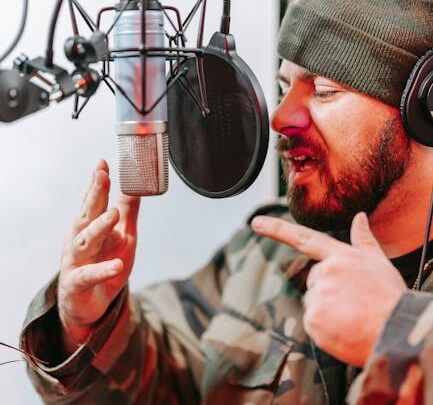
It’s a strange thing, watching the credits roll on an international Netflix series and realizing just how many countries have their own version of the same voice. For most viewers outside Albania, “Albanian Voice Over” is an afterthought—an invisible layer somewhere between subtitles and a full-scale dub. But if you step into a studio in Tirana or Berlin, or sit in on a production call with an agency in Prishtina, you’ll see how much this assumption misses.
Let’s start with a contradiction. In , when HBO Nordic began quietly rolling out subtitled and dubbed content for the Balkan region, even project managers at localization firms like VSI London assumed that Albanian would be handled like Romanian or Serbian: find some native speakers, patch them into existing pipelines, move on. That’s not how it went.
The Language Nobody Knows Well Enough
There’s an inside joke among project leads at international studios: “Translating into Albanian? Good luck finding two linguists who agree.” It doesn’t help that Albanian has two main dialects—Gheg and Tosk—and no standardized register for entertainment media. Back in , when Ubisoft was prepping regional releases for Assassin’s Creed Valhalla (a title with surprising popularity in Kosovo), their European localization team ran headlong into this trap. The initial test dubs from a Tirana studio sounded stilted to young Kosovar gamers but overly slangy to older viewers used to state television.
Nobody talks about this friction until it surfaces as negative feedback: "Why does everyone sound like they’re reading government announcements?" one streamer complained during a Twitch playthrough. A familiar criticism in Balkan gaming circles.
Budget Myths and Workflow Headaches
Here’s another misconception: “Albanian voice over must be cheap because labor is cheaper there.”
Spend ten minutes with someone from GSI Media Group (based in Skopje but frequently handling projects for Albanian-speaking audiences) and they’ll tell you otherwise. Hiring experienced voice actors isn’t actually less expensive when considering scale—the pool is tiny, especially for children’s content or specialized genres like fantasy RPGs.
In real campaigns observed by Dutch media agencies working across Southeast Europe, the cost per finished minute can rival that of Greek or Hungarian tracks. Why? Because every script requires more rounds of QA to iron out inconsistencies between dialects; every casting session means bringing in talent from both Prishtina and Tirana if you want broad appeal.
The AI Dubbing Temptation (and Its Limits)
AI voiceover platforms like DeepDub have been making waves since mid- with their promise of fast turnaround times and scalable multilingual support. Yet, as several Berlin-based animation studios discovered while trying to localize preschool shorts for YouTube Kids Balkans, current AI models are woefully undertrained on Albanian phonology—even more so than niche Scandinavian languages.
One workflow I observed last year involved engineers manually correcting up to % of synthesized lines post-generation just to avoid mispronunciations of common city names (“Shkodër” often became something unrecognizable). For larger productions—think educational content for platforms like Udemy—this extra step wipes out any theoretical savings.
The Platform Puzzle: Where Does the Track Go?
A detail often missed by outsiders is where these voice overs actually end up. Take Tring Digital, Albania's homegrown streaming service: their content acquisition managers admitted at a industry roundtable that less than % of imported kids’ shows ever receive an Albanian dub track at all; subtitles remain dominant except for preschool material.
Contrast this with Netflix’s approach since around . Their internal data reportedly showed higher engagement metrics among young families when offering full dubs rather than just subs—a pattern also seen in Croatia—but sourcing consistent quality voices proved tough enough that certain shows never got beyond pilot samples.
Historical Side Note: The Ghosts of State TV
If you talk to anyone who grew up watching RTSH (Radio Televizioni Shqiptar) in the early 1990s, you’ll hear how voiceovers meant one monotone actor narrating over muffled foreign dialogue—a style reminiscent of Polish lector tracks but without any performative flair. This legacy still haunts today’s dubbing sessions; directors regularly have to coach actors away from flat delivery habits picked up during those years.
Talent Shortages Mean Odd Trade-Offs
Most US-based localization buyers expect to cast roles weeks ahead; meanwhile, studios like Krea Studio Albania sometimes scramble day-of-recording just to fill supporting parts because three actors called out sick—and there simply aren’t twenty interchangeable talents available within city limits.
Last spring I sat in on an ADR session for a French cartoon being prepped for Vizion Plus TV. Halfway through recording episode four, the lead actress lost her voice—not ideal when she played three characters already! Instead of delaying release (impossible due to strict licensing windows), producers quickly re-cast using someone flown in overnight from Skopje who had worked on Macedonian adaptations before learning enough Albanian lines phonetically over Zoom calls. Not pretty—but deadlines met.
Why Brands Keep Getting It Wrong
Brands eyeing expansion across the Western Balkans routinely underestimate how vital authentic-sounding language is—even for seemingly generic ad campaigns or e-learning modules targeting diaspora communities abroad (see recent efforts by German SaaS companies adapting onboarding videos for ethnic Albanian users).
In practice? The difference between landing new subscribers or flopping completely can come down to whether your promo spot uses formal textbook phrases or slips naturally into conversational Tosk idioms familiar from music videos or Instagram Reels popular among Gen Z Albanians worldwide.
Case Study: Gaming Localization Gone Awry
A recurring story out of Warsaw-based game studio CD Projekt Red—they nearly skipped an Albanian option altogether during their multi-language push for Cyberpunk expansions until analytics revealed unexpected organic demand from Kosovo-region players via Steam Community feedback (increasing monthly by about % throughout late ). The subsequent scramble involved contracting freelance linguists out of Zurich and Toronto diaspora networks instead of solely relying on local talent pools—which led to inconsistent tone across different DLC packs but proved that ignoring this segment was no longer viable businesswise.
Whose Accent Is It Anyway?
Ask five Albanians which accent belongs on a global streaming platform—you’ll get six answers. Until very recently, Netflix commissioned test pilots using both Gheg-heavy and Tosk-standard readings, then ran A/B tests across user groups split geographically between Albania proper and North Macedonia/Kosovo urban centers. Results were inconclusive at best; what plays as "authentic" varies wildly depending on age group and migration background.
What Actually Works (Sometimes)
Some agencies adapt by blending traditional casting practices with remote recording tools such as Source-Connect—allowing them to tap diaspora actors living as far afield as Milan or Boston who bring fresh energy absent from Tirana's insular scene. Australia-based streaming startup Stan trialed this hybrid approach last year after struggling with static performances sourced solely within Balkan time zones; audience retention rates jumped noticeably among expat families subscribing abroad (estimates suggest around –% higher completion rates versus sub-only versions).
Final Thought: Invisible Labor Remains Invisible
Realistically? Most clients never see the Skype calls spent arguing about vowel length variation between Elbasan-born narrators vs Shkup-raised hosts—or invoices padded due to last-minute dialect fixes sent back overnight from Zurich freelancers balancing legal day jobs with part-time VO gigs. But it adds up—a patchwork process shaped less by technology than by persistent gaps in understanding what makes language resonate locally.
So next time you scroll past “Audio: Shqip” options buried beneath more familiar dubs on your favorite platform, remember: behind every line is not just translation but negotiation—with history itself still audible beneath each syllable.