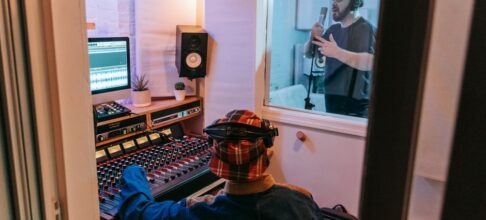
It’s a strange contradiction. No country consumes more dubbed content than Brazil, yet studios in São Paulo and Rio still debate whether voice over is an art or just another technical service. In practice, you find both extremes: Netflix pushing for cinematic lip-sync on "Stranger Things" while indie game devs from Recife settle for expressive narration over basic animation. The impact of Brazilian Portuguese voice over is messier than most outsiders realize—equal parts cultural gatekeeping, business calculus, and creative compromise.
The Unexpected Weight of a Dub
Ask anyone who grew up watching TV Globo in the 1990s about “The Fresh Prince of Bel-Air.” They’ll remember Will Smith’s swagger—but it’s likely that Marco Ribeiro’s voice (the Brazilian dub) shaped their sense of the character even more. Dubbing didn’t just translate; it reframed jokes and filtered American slang through Rio humor. This localization practice isn’t just nostalgia—it remains core to how international IPs succeed here.
Today, global streamers like Amazon Prime Video know they need flawless native-sounding voice work to capture Brazil’s notoriously picky audience. Prime Video reportedly saw a nearly % spike in Brazilian viewership after reworking several high-profile dubs in , including the thriller series "The Boys." Viewers actively compare voice actors online—the community around @DublagemBR on Twitter is notorious for dissecting every nuance, forcing platforms to keep quality up or risk ridicule.
Game Studios and the Two-Speed Pipeline
In gaming, the stakes are different but no less intense. Riot Games operates its Latin American localization hub out of Mexico City but always contracts dedicated teams for Brazilian Portuguese specifically—a workflow they say adds about % extra cost but doubles engagement rates among Brazilian players compared to generic “LATAM” Spanish audio tracks.
A case in point: When CD Projekt Red launched "Cyberpunk ," initial feedback from Brazil was harsh—players demanded authentic accents and regional expressions missing from the first patch. Within weeks, CDPR worked with São Paulo-based studio Unidub (best known locally for their work on "Naruto") to patch in not only better performance but regionally adjusted dialogue trees. Sales data released by Nuuvem showed a rebound: after that update, player retention in Brazil improved by roughly % within three months.
When AI Meets Carioca Nuance
The past two years have seen synthetic voices crash into this landscape—and not always gracefully. A small VFX house in Porto Alegre recently experimented with Respeecher’s AI-driven dubbing tool for an educational documentary series targeting public schools across Brazil’s Northeast. The promise: quick turnaround at one-third the traditional price (a standard half-hour episode went from R$10k studio fee to R$3k).
Yet students found it off-putting; feedback cited flat intonation and uncanny pacing—teachers reported kids were distracted rather than engaged. By episode four, the studio reverted to human narrators sourced via local talent agency Dubrasil—even at triple the cost—because school officials insisted on “real” emotion and familiar cadence.
Corporate Communication — Not Just Translation
Large companies have also come face-to-face with subtler issues when rolling out training or safety videos nationwide. In , Vale S.A., one of Brazil’s mining giants, tried using off-the-shelf European Portuguese voice over modules for internal compliance e-learning across its Minas Gerais operations. Complaints poured in; employees mocked the foreign inflection (“parece português de Portugal!”), which eroded trust in otherwise vital safety messaging.
Vale quickly pivoted: they commissioned Belo Horizonte-based Studio Megaton to re-record everything with regional actors—adding local idioms and even playful digressions that supervisors insisted made employees pay closer attention during safety briefings.
A Continuous Dance Between Global Brands and Local Color
What emerges from these patterns is hardly a simple story about “just translating.” For many US- or Europe-headquartered brands entering Brazil—whether via Disney+, PlayStation Network, or corporate comms—the main lesson has been this: you can’t fake authenticity here. There’s little patience for generic audio tracks shipped straight from Madrid or Miami; even subtle mispronunciations (“pãozinho” said with a European lilt) risk derailing an entire campaign.
Some global ad agencies have learned to build hybrid pipelines—London-based Hogarth Worldwide now maintains a permanent team in São Paulo working closely alongside UK creative leads so that campaigns land smoothly on both continents without last-minute scramble fixes.
Historical Crossroads—and What Comes Next?
There was a time (early 2000s) when major Hollywood films would release theatrically in Brazil only subtitled; dubs were reserved mostly for children’s fare or late-night reruns. The advent of DVD box sets (think –) changed everything: as adult fans started demanding dubbed versions of cult classics like "Friends" or " Horas," production budgets shifted accordingly.
Now streaming platforms expect full-cast dubs as table stakes—even mid-budget Korean dramas get bespoke Brazilian audio tracks before landing on Globoplay or Netflix Brasil. Localization houses such as Vox Mundi and Alcatéia Audio Visual field dozens of simultaneous projects each quarter—often juggling tight deadlines against surging demand as new shows drop weekly.
Is there any sign this will slow down? Unlikely; if anything, studios report that increased competition between platforms has pushed rates up slightly since despite automation gains elsewhere in media tech workflows.
Final Word From Behind the Glass Door
Every director I’ve met at São Paulo post houses agrees: It takes real listening—not just perfect pronunciation—to make imported stories belong here. That might mean rewriting punchlines so they hit home with Recife teens—or casting TV veterans whose timbre evokes instant trust among older viewers across Minas Gerais farms.
Brazilian Portuguese voice over isn’t just sound design; it’s social engineering at scale—a daily negotiation between what sells globally and what resonates locally.