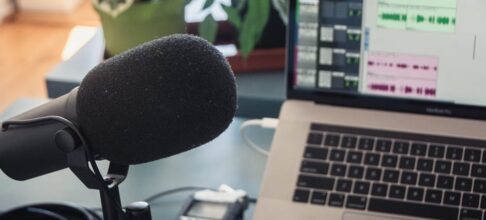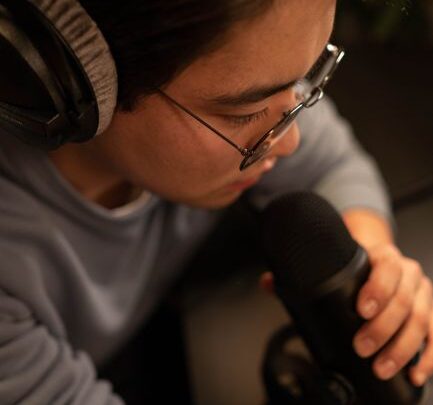
You’ll often hear about the meteoric rise of the Indonesian voice over scene, but sit in on a session at Jakarta’s Voiux Studio on a humid Tuesday and that story gets some rough edges. Outside, billboards scream in three dialects; inside, language is business. Yes, demand has grown—Netflix, Disney+, and local streaming giant Vidio have all pushed more content into Bahasa Indonesia since 2018—but scale alone doesn’t explain what happens behind those soundproofed doors.
A Tangle of Accents and Expectations
Take a real campaign for a regional bank’s app launch in Surabaya last year. The client wanted neutral Jakarta-accented narration for national reach. But the agency’s first round came off too formal, bordering robotic—a direct result of a workflow borrowed from American commercial styles. When focus groups flagged the tone as “too stiff,” Voiux had to re-record using talent more comfortable with informal register and peppered slang.
This scenario is typical: projects bounce between expectations set by global brands and the texture of local speech. Some producers still default to formality, despite research by PT Svara Gema highlighting that 60% of urban Indonesians under 30 prefer casual intonation in advertising voice overs.
From Radio Spots to App Launches: Shifting Workflows
The early 2000s saw radio spots dominate the industry; most talent then were ex-broadcasters or comedians moonlighting for extra cash. By 2015, digital platforms like Bukalapak started demanding hundreds of product explainer videos monthly—forcing agencies to rethink casting workflows altogether.
In one notable pivot, Yogyakarta-based Kresna Production installed an AI-powered script adaptation tool (VoicelabID) to handle bulk e-learning narrations for Ruangguru. Their process involves automated pre-editing followed by two rounds of live human corrections—one for linguistic authenticity, another for emotional nuance. According to studio manager Dimas Prasetyo, this hybrid system cut average project time by almost 30% versus their previous manual method.
No One-Size-Fits-All Talent Pool
Unlike Western markets where unionized rosters are common (think SAG-AFTRA’s influence in LA), Indonesia relies on freelance collectives managed via WhatsApp groups or Facebook pages like VOI-ID. A single casting call can yield dozens of demos overnight—but reliability varies wildly.
In practice: an ad agency in Bandung managing a pan-regional campaign for Grab must sift through reels submitted at midnight, then negotiate rates individually because standardized contracts remain rare outside major cities. Fees range from 500k IDR ($32) per spot up to several million for top-tier talent—a gulf rarely bridged except when multinationals insist on parity with overseas standards.
Dubbing Anime, Selling Noodles: Divergent Demands
Indonesia’s anime boom is one recent accelerant—since Muse Communication opened its Southeast Asia branch in 2021, studios such as Bensound Jakarta have been handling dubs at breakneck pace. These jobs require meticulous lip-syncing and character work unlike straightforward narration gigs (think Indomie’s rapid-fire radio jingle campaigns).
A translator at Bensound described how their team now uses Otter.ai plus internal glossaries during script prep—critical when handling up to eight new series per quarter. Still, every session needs two directors: one linguist ensuring semantic accuracy, another specializing in performance direction (often ex-theater). Turnaround times are tight; four episodes can be completed within five days when schedules align—but if even one voice artist travels out-of-province (common during festival season), delays ripple through post-production fast.
Tech Tools vs. Human Touch: The Ongoing Debate
AI voices have entered play—especially since Google Cloud Text-to-Speech added improved Bahasa output in late 2022—but adoption remains cautious among mainstream studios fearing loss of nuance and audience trust.
Some budget-conscious YouTubers use tools like Replica Studios or Balabolka for basic narrations, but premium ad work still overwhelmingly favors human interpretation. In workshops hosted by ISKA (Ikatan Suara Kreatif Indonesia) last year across Bali and Surabaya, less than 10% of participants said they relied primarily on synthetic voices for paid projects; most cited issues with prosody and regional color.
Regional Nuances No Algorithm Can Fake (Yet)
Jakarta’s sound is not Medan’s nor Makassar’s—and clients know it. For government public service announcements targeting Sulawesi viewers during Ramadan season this year, PT Nusantara Voice deployed four different talents across dialect spectrums to maximize resonance: two women with distinct Eastern inflections handled core messaging while a Betawi-accented comedian delivered punchlines.
Even experienced software engineers admit defeat here—AI models trained on standardized broadcast Bahasa struggle with rhythmical quirks or subtle code-switching patterns beloved by younger audiences.
Negotiating Rates Without Standardization—A War of Nerves?
Perhaps nowhere do contradictions show more than during contract negotiations. Unlike Korea or France where fixed scales are law-backed—or Australia where Media Entertainment & Arts Alliance sets clear boundaries—in Indonesia every job can become a mini-auction.
the situation isn’t always negative; flexibility benefits both sides when workloads spike unpredictably around election cycles or Ramadan ads blitzes (in some years doubling normal studio volume). Yet producers regularly complain about payment delays stretching months—one survey among members of the Facebook group Suara Iklan recorded an average wait time exceeding seven weeks after delivery during Q4 high season last year.
International Influence Without Copy-Paste Solutions
the arrival of Netflix Originals dubbed locally brought new quality demands but also exposed gaps—in training (“emotional layering” was cited repeatedly as lacking among first-time dubbers) and pipeline management (scripts often arrive late or undergo eleventh-hour cultural edits).
For example: A Singapore-based localization vendor working on Korean dramas entering Vidio found they needed separate script review teams just to ensure jokes landed correctly after Bahasa adaptation—a logistical headache only partly solved by remote collaboration tools like Zoom and Frame.io file sharing introduced mid-2020 pandemic peak.
The Future? Not What Most Predict…
instead of full-scale automation takeover or total professionalization à la Tokyo circa early 2010s anime boom, what observers actually see is fragmentation:
- Micro-studios serving niche podcast intros,
- Gen Z freelancers building TikTok gig portfolios,
- Big agencies consolidating multilingual pipelines for pan-ASEAN clients,
each pursuing different priorities—speed vs depth vs hyper-local flavor—with little sign yet that any model will dominate soon.
It’s chaos but also creative ferment; at least half the vocal artists encountered today weren’t working professionally five years ago—and that churn drives both risk and evolution forward fast enough that no annual report can capture it fully yet.