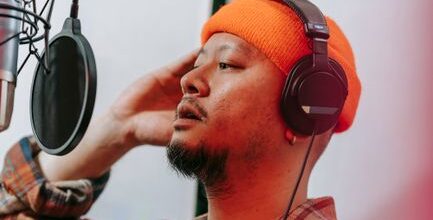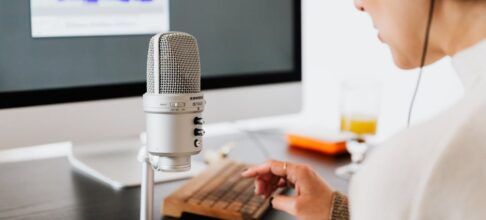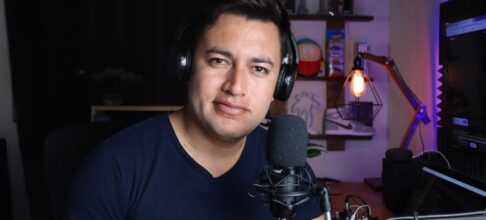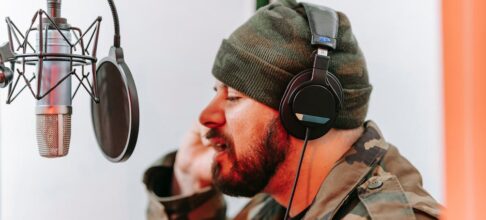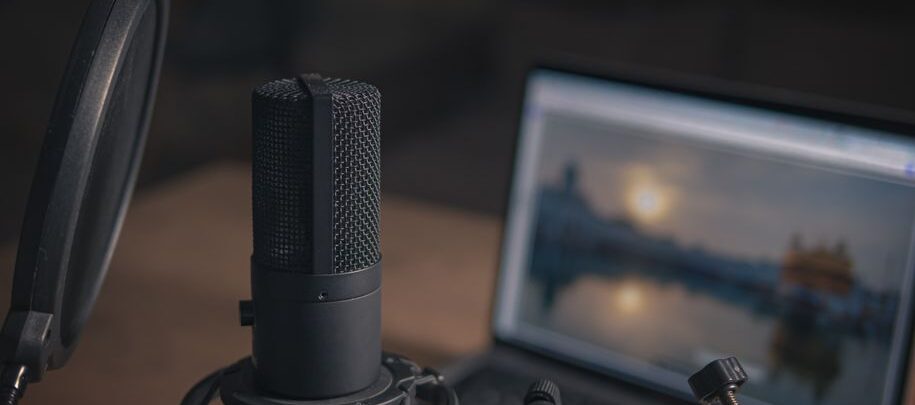
It’s easy to dismiss voice over as something that “just happens” behind the scenes. But spend a day in any Amsterdam studio—say, at Hoek & Sonépouse or a smaller boutique like Studio de Bakkerij—and you’ll notice how Dutch voice talent doesn’t simply read lines. Instead, they engineer mood, local flavor, and sometimes even controversy into every syllable. One director I met last year in Rotterdam described it as "painting with invisible colors."
The Unseen Complexity
Let’s break the myth: Dutch voice over isn’t just about finding someone who can speak Dutch well. In 2018, when Netflix expanded its catalog of dubbed content for Benelux audiences, they discovered that literal translations fell flat—even when delivered by experienced native speakers. It was only when studios started bringing in voice directors with commercial radio experience (like those from Qmusic) that dialogue began to resonate authentically. The real skill? Understanding how to modulate tone for everything from children’s animation (“Peppa Big” is a notorious benchmark) to edgy Amsterdam-based crime dramas.
Case in Point: Gaming Localization Goes Local
Consider Guerrilla Games in Amsterdam—a studio best known internationally for "Horizon Zero Dawn." In their 2020 update for the Dutch market, they partnered with audio house Earforce. The challenge wasn’t just technical; gamers reported on forums that voices felt “too formal,” breaking immersion. Earforce responded by holding multiple test sessions with actual Dutch players (ages 16–28), re-casting several roles and adjusting the register to include more regional idioms and subtle slang found around Utrecht and Rotterdam. According to project manager Marije Voskamp, this iterative process took an extra six weeks—but post-release surveys showed a 30% higher satisfaction rate among Dutch-speaking users compared to previous launches.
Workflow Realities: From Script to Session
In practical terms, here’s what happens at a mid-sized localization agency like Locutio Media:
- Pre-production involves script adaptation—not mere translation. Scripts are marked up line-by-line for cultural references (“drop stroopwafels—add bitterballen jokes”).
- Casting often includes live auditions via Zoom; agencies have learned since COVID-era restrictions that remote casting actually widens the pool of authentic-sounding talent from Groningen to Eindhoven.
- Recording sessions rely on Source-Connect or SessionLinkPRO tools so directors and clients can patch in remotely—commonplace since mid-2020 across most of Europe.
- Post-session pickups are almost inevitable; one campaign for Albert Heijn required three rounds after legal flagged several phrases as misleading under new ad regulations introduced in 2022.
- Brand safety reviews flagging colloquial jokes as risky;
- Re-cuts due to shifting regulatory language;
- Recasting when test viewers say "it just doesn’t sound right" (without being able to explain why).
The AI Tension: Promise vs Reality
Since late 2021, there’s been growing industry curiosity about synthetic voices—tools like Respeecher or Descript Voice Clone have tempted agencies looking to cut costs for e-learning modules or explainer videos. But ask someone at a major broadcaster like NPO and you’ll hear skepticism: AI-generated Dutch still stumbles on regionally inflected phrases and can sound “plastic.” Internal figures shared informally during a spring 2023 trade event suggest fewer than 12% of mainstream broadcast projects use AI-only narration; hybrid models (human-edited AI) might double that share but remain rare for top-tier campaigns.
Anecdote from Berlin: Cross-Border Intricacies
Last autumn, a Berlin-based creative agency working on a pan-European car launch faced unexpected hurdles trying to synchronize Dutch VO with German and French versions. The original plan—to record all languages simultaneously using shared scripts—quickly unraveled because certain wordplay landed awkwardly (or not at all) in the Dutch context. Ultimately they brought in Amsterdam-based copywriters for script surgery and re-recorded half the lines locally, resulting in higher overall costs but far better audience engagement metrics reported by the client’s analytics team.
Historical Layering: From Radio Days To Modern Microstudios
Dutch voice over has always mirrored broader media trends. In the early 1990s, RTL4 set off a wave of demand when it began localizing international shows—the sudden spike forced small studios from Hilversum through Den Haag to scramble for trained talent beyond traditional radio presenters.
By contrast, today’s microstudios—sometimes just two freelancers operating out of Haarlem lofts—leverage remote workflows and cloud-based editing platforms such as Avid Pro Tools or Audacity Online Edit Suite. Industry insiders estimate roughly 60% of Dutch-language commercials produced in 2023 came from setups with fewer than five regular staffers.
Cultural Calibration: Why Nuance Is Non-Negotiable
There’s an oft-told story about an American tech giant launching its virtual assistant into the Netherlands circa 2017—they used US-developed scripts merely translated into Dutch without further adaptation. Within weeks users complained on social media about “robotic” responses full of unnatural phrasing (“Ik ben blij om jou te helpen vandaag!”). Real adoption only picked up after months of local studio intervention led by teams familiar with everyday speech patterns borrowed from both Randstad urbanity and rural dialects alike.
Inside A Typical Campaign: FMCG Sector Example
For consumer brands—the likes of Unilever or FrieslandCampina—the stakes are measured not just by clicks but by subtle shifts in brand perception tracked quarterly via Nielsen Brand Effect studies since at least 2019. A recent example involved an energy drink spot targeting Gen Z audiences; recorded initially by an established Rotterdam VO artist but focus groups flagged it as sounding "preachy." After multiple recasts—including field recordings at skate parks near Leiden—the campaign saw online positive sentiment tick up nearly 18% within two weeks post-launch according to Sprinklr data dashboards used by agencies like Dentsu Netherlands.
What Actually Matters Most?
Tone-matching across multiple touchpoints—from radio stings on Slam!FM to TikTok video explainers—is where true expertise emerges. Veteran talent agent Peter van Leeuwen explains it bluntly: "If your promo sounds like it belongs on NOS Jeugdjournaal instead of YouTube Shorts, you’ve missed your demographic completely.”
Final Thought: It Never Gets Simpler
No matter how many technological shortcuts enter the market—from cloud-based session management to increasingly clever AI clones—real-world usage consistently reveals friction points no algorithm anticipates yet:
Ask any seasoned pro who has sat through last-minute patch sessions at midnight before campaign launch day—they’ll confirm what few outsiders realize:
the best Dutch voice overs aren’t merely spoken—they’re negotiated between cultures, technologies, deadlines…and egos.