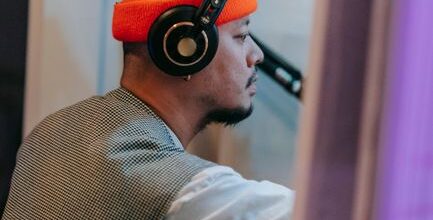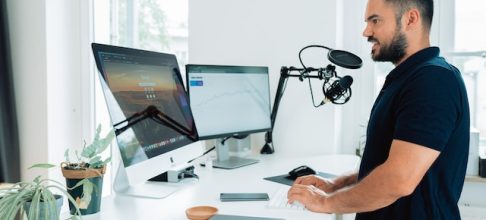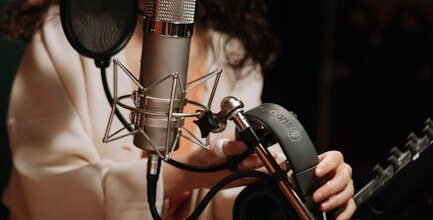
Start with an oddity: in 2017, a Parisian game localization studio was tasked with dubbing a Japanese visual novel for the French market. The deadline? Four weeks. The script? Nearly 80,000 words. By week two, one of the lead actors fell ill and a backup—previously just a voice in cereal commercials—stepped up. Their performance became so iconic that fans demanded her return for sequels. This is how French voice over work often unfolds: improvisation, pressure, and surprise talent.
The Texture of French Audio Production
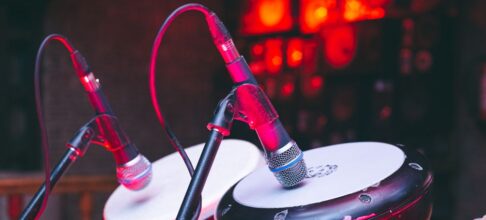
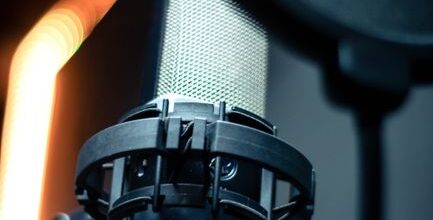
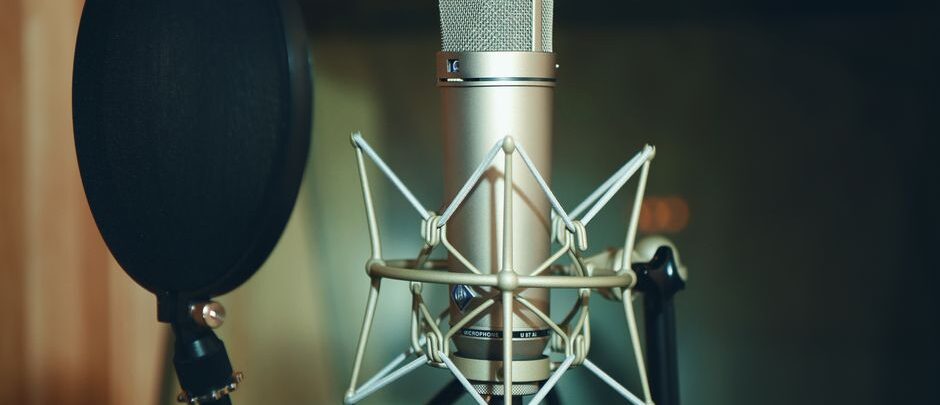
Walk into Les Voix de l’Ouest in Nantes on any Tuesday morning and you’ll find something rarely discussed outside the industry: tension between tradition and tech. Old-school Neumann U87 microphones face off against new AI-based scriptsynching tools like Respeecher or Papercup’s French module (adopted by several Paris agencies since late 2022). Engineers toggle between Pro Tools sessions and Slack threads with Berlin-based clients. There’s always coffee, but never enough time.
Local Flavor vs. International Demands
For Netflix’s French dubs of “La Casa de Papel,” teams at VSI Paris had to reconcile Madrid’s creative notes (keep the rebellious edge!) with network demands for neutral European French diction—a classic tug-of-war for platforms streaming to Quebec, Belgium, and Switzerland as well as France itself. In practice, this means dual casting calls: one slate for standard Parisian tones; another for regional inflections or subtle Québécois touches, depending on which country’s subscribers are trending upward that quarter (in Q4 2023, Belgium saw a 12% spike in viewership for dubbed content).
Casting in Real Time: How It Actually Happens
A casting director at Deluxe Media Paris once described their workflow as “speed chess.” For major campaigns—think Ubisoft’s Assassin’s Creed Mirage localization—the process begins with database filtering (age range, vocal texture), followed by live Zoom reads under tight NDAs. If there’s no perfect fit after three rounds? They’ll tap into smaller agency rosters or even reach out to freelancers who’ve built reputations through indie podcasts or YouTube series.
Case Study: Lyon Studio Meets Streaming Demand
Take VoxLab Lyon—a mid-sized post-production house specializing in e-learning modules and documentary narration. In spring 2021, when a German edtech platform expanded into francophone Africa, VoxLab faced two hurdles: dialect adaptation and speed. Their solution combined AI-driven transcription tools (Sonix.ai) with human proofing by native speakers from Dakar and Abidjan. The result? Delivery times dropped from ten days per hour of finished audio to just under five—a shift echoed across other regional studios now serving multinational clients.
Historic Shifts—and the Persistence of Voice Talent
Back in the early 2000s, TV5Monde favored centralized recording sessions where all actors would gather weekly; engineers spliced together full shows reel-to-reel. By mid-2010s, remote workflows took hold—driven partly by rising demand for streaming-ready content from Canal+ and Amazon Prime Video France (which now commissions more than 200 hours of localized audio annually). Yet even now, directors argue that chemistry suffers without face-to-face ensemble reads—especially for comedy or children’s animation.
Rates, Rights & Agency Dynamics
If you ask around at Bocal Studio near Montmartre—whose booth walls bear scribbled signatures from dozens of local legends—you’ll hear grumbling about rates flatlining since 2018 despite surging output volumes (+35% over five years according to industry survey estimates). Unionized actors push back against buyout clauses favored by global streamers; agencies juggle conflicting client expectations on exclusivity periods versus reusability across campaigns.
AI Voices: Opportunity—or Existential Threat?
A recurring topic in real world meetings is synthetic voices edging into promo spots and quick-turnaround explainers. In Berlin last year at LocWorld49, several French producers voiced concern that AI-generated tracks may soon account for up to 20% of basic commercial volume—but nobody expects them to replace nuanced character acting anytime soon. Instead, hybrid models emerge: AI drafts get finessed by human pros before delivery to brands like L’Oréal or Renault launching bilingual ads across Europe.
Workflow Snapshots Beyond Paris
In Montreal studios catering to both local broadcasters (TVA) and global players (Disney+), separate workflow pipelines are standard—one tailored for international "neutral" accent delivery; another reflecting Québécois slang or cadence requested by domestic series writers who want authenticity above all else. Common pattern: union-mandated session logs track pronunciation consistency down to individual scenes.
Measuring Impact: What Producers Really Track
On-the-ground project managers care less about word counts than retention metrics post-dub launch; it isn’t rare for platforms like Arte.tv to commission follow-up focus groups if dubbed documentaries see dips below their usual completion rates (~67% average per internal reports shared during summer 2023 peer reviews).
Training & Talent Pools Evolve
Voice acting schools such as Cours Florent have modernized syllabi: students now audition using self-recorded demos uploaded via cloud platforms like CastingVOX.fr alongside traditional live casting events in Marseille or Toulouse each winter season—a nod toward both flexibility and pandemic-era necessity.
One Producer's Dilemma — A Narrative Breakpoint
Last autumn I met Marie Dupuis—producer at SoundBridge Media—as she paced outside a Marseille ADR suite debating whether to cast a TikTok influencer whose viral rants won over Gen-Z voters on an election PSA campaign…or stick with her go-to male baritone whose reliability kept him booked every month since pre-pandemic days. She chose both. Audience engagement surged on socials but TV execs complained about inconsistency between broadcast and digital cuts—a snapshot of evolving demands colliding headlong with old habits.
What Does Success Look Like Now?
Producers swap war stories more than they share benchmarks—but common signals include shorter lead times (from months down to weeks), multi-market adaptability within single projects (often spanning Canada/France/Belgium simultaneously), and increased client education about what “authentic” really means depending on context.
Wrap-Up Reflections From Inside the Booths
To sit behind glass while a veteran actor nails take #22—or watch an engineer slice milliseconds off mouth-flap mismatches—is to witness craft shaped by changing pressures but rooted in human interpretation. Automated voices may capture tone; only people deliver intention shaped by culture or lived experience.
That studio manager in Nantes still makes espresso runs every morning—because even as workflows digitize and deadlines compress further each year, some things about this profession remain reassuringly analog.