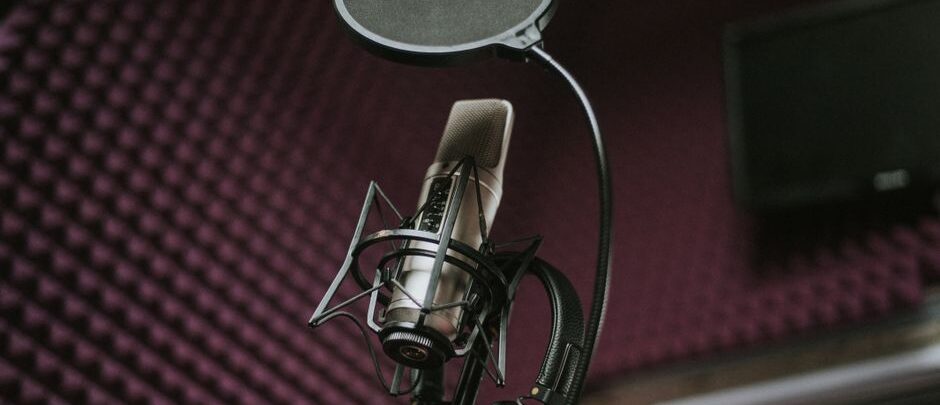
In a Helsinki recording booth tucked behind an unassuming gray door, a familiar frustration echoes through the headphones: "No, not that intonation. Finns don’t shout emotion—show it without breaking the ice." The director, tapping her pen against a battered script, glances at the waveform monitor. Another take begins.
If you ask anyone in Finnish post-production why so many international campaigns stumble here, they’ll tell you: This isn’t just about translation. It’s about voice as culture—a balancing act between clarity and restraint that has shaped the industry since its unlikely beginnings.
The Quiet Rebellion: How Finnish Voice Over Found Its Shape
The history of voice work in Finland doesn’t read like Hollywood’s golden era or Germany’s dubbing factories. In fact, for decades after World War II, subtitling reigned supreme on Finnish TV screens. As late as the early 1990s, over 90% of foreign content was subtitled rather than dubbed or voiced over—a sharp contrast to France or Italy, where full-cast dubbing dominated.
But then came YLE (the national broadcaster), quietly experimenting with children’s programming and later with imported documentaries. By the late 2000s, streaming platforms like Netflix and Viaplay began requesting more localized voice tracks for younger audiences and branded content. Suddenly, a small but agile network of Helsinki studios—like Aito Media Sound and Taikalamppu—found themselves tasked with shaping a uniquely Finnish sound.
"Voice Understated": The Cultural Puzzle
Anyone expecting boisterous delivery will be disappointed. “Finnish clients almost always say: ‘Less is more,’” says Anni Korpela, a freelance VO talent who regularly records commercials for Nordic brands out of Espoo. “You can’t just copy-paste from an American campaign.”
A recent campaign for Angry Birds (yes—the Rovio hit still going strong) required three different takes on character dialogue before localization producer Veera Mäkinen approved it for release on YouTube Kids Scandinavia. The brief? Stay energetic but avoid cartoonish exaggeration; keep natural rhythm; no forced cheerfulness—it makes Finns cringe.
This minimalism even applies to genres as distinct as gaming trailers and health service explainers. One localization manager at Helsinki-based Siliä Studio recalls an insurance client rejecting four versions of a script because the delivery felt “too pushy.”
Workflow Reality Check: Beyond Scripts and Booths
In typical production workflows here, projects rarely move in straight lines. For instance, when Berlin-headquartered audio agency Loft Tonstudio partnered with Aito Media Sound to localize radio ads for Lidl Finland last spring, they discovered that direct German-to-Finnish adaptation yielded stilted scripts—and that studio time doubled compared to their work in Sweden or Denmark.
Why? Because every line required reworking for nuance—not just word choice but tempo and silence. Native Finnish producers often sit in on sessions specifically to police tone (“Don’t make it too warm,” one engineer quipped during a session I observed last year).
It’s common for agencies to budget up to 30% longer studio hours per minute of finished audio compared to English-language productions—a metric confirmed by two project managers at Digital Media Finland during interviews last autumn.
AI Voices? Not So Fast (Yet)
The global boom in synthetic voices hasn’t swept over Helsinki studios quite like elsewhere. While American podcast networks have eagerly adopted text-to-speech tools such as Descript or ElevenLabs since 2022, most Finnish agencies remain wary.
Sini Ruotsalainen at Antenna House (a boutique localization outfit near Turku) shared that automated solutions do sometimes appear in e-learning modules targeting B2B clients—particularly when budget trumps artistry—but less than 10% of requests leverage these tools fully end-to-end.
Partly this is technical: Off-the-shelf AI models tend to struggle with vowel harmony and subtle prosody shifts unique to Finnish speech patterns. But mostly it’s cultural—a fear that synthetic warmth won’t resonate with listeners used to understatement.
Case File: Gaming Giants Localizing for Finland's Fandoms
Consider Remedy Entertainment—the Espoo-based studio behind Control and Alan Wake II—which insists on casting native VOs for all major Finnish releases (even when only 5–8% of total sales are domestic). Their process involves multi-stage auditions via agencies like Actors in Scandinavia and post-recording adjustments overseen by both game designers and dialogue editors fluent in regional dialects.
When Control launched its DLC expansion packs in mid-2021, the localization team spent three months iterating voice direction notes after closed beta testers flagged unnatural phrasing in side-quest banter (“Too stiff—even for Finns”). Final retakes moved from central Helsinki booths to remote setups during COVID-19 surges—a logistical headache but now standard practice among mid-sized studios across Europe who juggle cross-border talent pools.
From Commercial Spots to Cartoons: Everyday Scenarios
Not every job comes packaged as high drama or high art. On any given week at Aito Media Sound—whose credits include everything from S-market jingles to dubbed episodes of Paw Patrol—you’ll find session engineers juggling tight timelines (“We average eight commercial spots per day”) while recalibrating scripts submitted by pan-Nordic ad agencies unfamiliar with local idioms or humor codes.
One recent example involved adapting an IKEA radio promo originally designed for Oslo listeners; nearly half the lines were scrapped after test audiences found them jarringly informal (“We simply don’t speak like this,” noted producer Tapio Saarinen). It took two rounds of rewriting—and several phone calls between Stockholm creatives and Helsinki editors—to land on something both clear and authentically understated.
This scenario is echoed across small-crew studios dotted throughout Tampere or Oulu—where hybrid workflows mix remote directing via Source Connect Pro with old-fashioned face-to-face coaching whenever possible.
Numbers Behind the Microphone: Scale vs Impact
Finland’s annual VO output remains modest compared to larger markets; most estimates put dedicated voice-over actors at fewer than 150 full-timers nationwide as of early 2024. Yet demand has grown steadily—especially since global streaming services accelerated their Scandinavian content pipelines around 2017–2018 (with Netflix alone expanding localized content by roughly 25% year-on-year through this period).
For advertising campaigns targeting Finnish consumers under age 30, VO budgets have climbed too—in some cases doubling since pre-pandemic levels according to figures shared informally by campaign managers at Miltton Creative (Helsinki).
Still, few expect a tidal wave of new voices overnight; rather, established names like Jarmo Koski (famously voicing Disney's Goofy) continue booking repeat gigs while younger talents hustle between podcasts, audiobooks, mobile game trailers—and whatever else keeps their schedules full enough each quarter.
Subtext & Survival: The Psychological Side
It’s easy to romanticize Scandinavian restraint as mere style—but those who’ve sat through feedback sessions know how grueling self-effacement can be in practice. There are stories whispered among freelancers about entire careers derailed by one overly effusive performance (“She sounded too much like Swedish radio!”) or contracts lost due to barely perceptible accent slips traced back to Savonia vs Helsinki backgrounds.
Many VOs describe days spent toggling between roles: upbeat health app narrator before lunch; deadpan documentary explainer after coffee break; then a moody videogame villain whose menace must never tip into melodrama lest players roll their eyes instead of shuddering.
evoking trust without volume—that is the paradoxical craft here:
breathe between syllables;
say just enough;
don’t try too hard,
yet never let indifference creep in either.
That’s how voices slip past silence without waking suspicion across Finland’s tuned-in audience base.