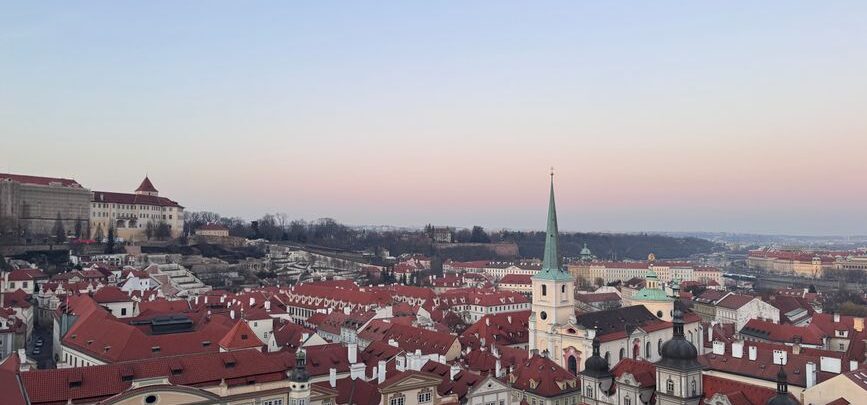
Step into a Prague post-production suite on a drizzly Tuesday morning, and you’ll find a microcosm of European storytelling at work. The air buzzes not just with caffeine, but with the voices shaping everything from Netflix thrillers to indie game quests. Yet outside this soundproofed world, few appreciate how Czech voice over—often overshadowed by more high-profile dubbing markets like Germany or France—has quietly become both a craft and an export.
The Unseen Backbone of Central European Media
It’s easy to underestimate the scale until you see it up close. In 2022, SoundSquare—a leading Prague audio post studio—handled voice adaptation for over 120 hours of streaming content per month. That includes not only local Czech originals but also international series landing on global platforms like HBO Max and Amazon Prime Video.
Localization manager Pavel Votava recalls, “The workflow here is precise: we get the English scripts in on Monday; casting happens by Wednesday; our regulars can sometimes record same-day.” For smaller projects, he jokes, “we sometimes have time for two coffees between takes.”
But the pace isn’t just about speed—it’s about precision and cultural nuance. Adapting dialogue for a Czech audience often means rewriting humor or idioms entirely rather than offering literal translations. The best voice directors are part linguist, part stand-up comic.
Not Just Dubbing: Gaming’s Surging Appetite
Back in 2017, when Bohemia Interactive released its ARMA 3 expansion with a full Czech dub, few expected such investment in local language tracks for games. But now it’s routine: studios from Warsaw to Bratislava commission Czech voice work as standard for regional releases.
Consider Charles Games—a Prague-based studio known for narrative-driven indie titles. Their recent project "Svoboda 1945: Liberation" relied on voice actors to recreate dozens of dialects from the borderlands region. According to lead producer Anna Hladká, “Half our casting process was finding actors who could switch registers—from rural farmhand to party apparatchik—in one session.”
This demand has given rise to specialist agencies like GoodAI Studios (despite their name, primarily human-driven), which now fields requests from Western Europe looking for authentic Slavic accents—not stereotypes—for both major franchises and experimental VR experiences.
From Radio Dramas to Streaming Binge Fests: A Short History
Czech voice artistry isn’t new. In fact, one of the earliest radio drama traditions in Europe flourished on Czechoslovak Radio in the 1930s; archived recordings still circulate among enthusiasts today.
Yet what truly changed the industry was the early-2000s cable boom. Suddenly satellite channels needed hundreds of hours of dubbed cartoons and Hollywood flicks every month—and Prague became a hub due to its pool of multilingual talent at relatively modest cost compared to Vienna or Munich.
By 2015, with Netflix rolling out localized interfaces across Central Europe and Disney+ following suit five years later, demand exploded again—this time with shorter deadlines and stricter quality controls than ever before.
Workflow Realities: Inside the Booth (and Beyond)
If you’re picturing cavernous studios lined with reel-to-reel tape...think again. Most Prague facilities today run lean digital pipelines:
- Script arrives via secure cloud delivery (often using platforms like ZOO Digital)
- Casting coordinated through WhatsApp groups populated by agency staff and freelancers alike
- Sessions recorded digitally—sometimes remotely using SessionLinkPRO or similar tools since COVID-19 normalized remote direction workflows even within city limits
- Final mixes uploaded directly back to clients’ asset management systems within hours rather than days
- National TV station spot rate: approx €80/hour plus session fee (as reported by several Prague agents)
- Streaming platform original episode VO: €120–€180/hour depending on exclusivity/usage rights requested
- Indie game project flat fee can be lower—but may include revenue sharing if crowdfunded titles succeed overseas
“Turnaround times that would make a London team sweat,” quips Martin Tesař, who leads localization at SDI Media’s Czech branch.
A pattern seen increasingly among mid-sized studios is hybrid workflow adoption: main character lines still recorded in-studio (for direction and consistency), background lines handled by trusted home setups across Brno or Ostrava—improving speed without sacrificing quality on key parts.
The Talent Pipeline: Who Gets Behind the Mic?
There’s no shortage of aspiring voices in Prague; DAMU (Academy of Performing Arts) produces dozens of graduates annually who see voice work as both bread-and-butter income and creative outlet.
Veterans like Jiří Dvořák—the go-to voice for everything from BBC documentaries to PlayStation dubs—command premium rates that can double typical union minimums during peak seasons (usually October–December). Meanwhile newer faces hustle via online platforms such as Voices.com or through direct outreach—sometimes picking up quick commercial spots for brands such as Škoda Auto or Kozel beer along the way.
A curious twist: since around 2018 there’s been growing crossover between acting talent from local theatre companies (like Dejvické divadlo) and AAA gaming projects wanting ‘lived-in’ performances instead of textbook readings.
When Machines Meet Tradition: AI Creeping In…Carefully
In late 2021, several smaller agencies began experimenting cautiously with AI-assisted dubbing tools such as Respeecher—a Ukrainian-founded platform popular in podcasting circles globally. These trials were mostly limited to background characters or placeholder tracks during pre-production phases while waiting for availability from headline actors.
So far? “For us it’s augmentation rather than replacement,” says Lucie Králová at Studio Beep. “We still need people at every step—even if synthetic options save us some overtime during crunch periods.”
Most major clients reportedly require clear disclosure whenever non-human voices are used—a policy driven partly by legacy concerns over authenticity after several high-profile complaints regarding mismatched tones in pan-European ad campaigns circa 2019–2020.
Money Matters: Rates, Rights & Market Shifts
Rates remain highly variable depending on client profile:
Unlike some larger EU markets where unions set near-uniform baseline fees (e.g., Germany’s Verband deutscher Sprecher), most Czech deals are brokered individually—a source of tension when big-budget foreign productions arrive expecting discount prices but demanding top-tier output quality.