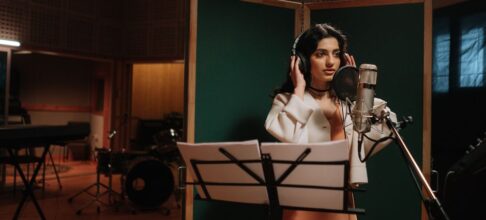
It’s a typical Wednesday at Sydney’s Trackdown Studios—a former tram depot, now echoing with the banter of local talent and the hum of high-spec microphones. In Studio B, an actor known for his work in Netflix Australia’s “Glitch” is wrestling with a line meant to evoke both larrikin mischief and gravitas. The director, headphones slightly askew, interrupts: "That was great, but can we dial up the Queensland? Less Neighbours, more outback."
This is not the sanitized voiceover world you imagine from YouTube explainers or generic marketing videos. This is where accent nuance matters—a lot. And it’s what makes the Australian voice over sector distinct, unpredictable, and in some circles, quietly influential.
An Industry Grown in Patchwork
Rewind to —pre-streaming boom—and most commercial voice work in Australia funneled through radio ads for Coles or car dealerships (“Down Down, Prices are Down” still rings a bell). The sector was insular; a handful of major agencies like RMK Voices and Scout Management dominated casting calls. But with the rise of global platforms such as Netflix (which officially launched in Australia in ) and Ubisoft moving regional game localization into Melbourne by , demand for authentic Aussie voices ballooned.
The first time I saw this play out was at an agency pitch meeting for a tourism campaign targeting UK millennials. The brief wasn’t just "sound Australian," it specified “Northern Beaches but not Bondi.” That level of hyper-localization—now routine—was rare even five years ago.
Accent as Cultural Currency (and Business Risk)
Why so picky? Because for all its global cachet, the Australian accent carries baggage abroad: too broad and Americans hear Crocodile Dundee; too neutral and you lose that sunburnt charm marketers crave. A media producer from Squeak E Clean Studios once explained their workaround for Qantas’ global brand spots: record three takes each session—broad ocker, gently urbanized Aussie, and ‘international English’—then let US ad execs vote. Out of ten projects tracked over months (–), about % ultimately used a version closer to city Australian than old-school country dialects.
Where AI Meets Fair Dinkum Talent
Recently in Melbourne’s Southbank precinct—a cluster now hosting several gaming studios—the workflow has shifted again. Indie developer League of Geeks (of “Armello” fame) started trialing ElevenLabs’ synthetic voices last year for early animatics. But by beta launch they’d reverted to live actors booked via local agencies after fan testers flagged generic reads as “soulless.”
In these circles, AI isn’t replacing talent yet—it’s serving as scratch track before proper casting begins. One project manager told me they save roughly % on pre-production costs this way but budget full rates for final sessions because "players can tell when it’s not real." Across the sector it seems common: AI assists rapid iteration, but human nuance closes the deal—especially when voicing characters who swear, joke or go off-script.
Case File: Big Budget Meets Local Color
Consider Optus’ World Cup campaign—a multi-platform blitz from TVCs to TikTok shorts featuring Matildas star Sam Kerr narrating behind-the-scenes moments in her own Perth lilt. The creative team at Special Group had initially considered international narration but found test audiences connected far more strongly with Kerr’s natural delivery (and subtle West Coast inflections). By wrap-up they’d produced over unique assets spanning broadcast and digital using three different recording environments—from professional booths to hotel rooms between matches.
The lesson here? In competitive campaigns where authenticity wins engagement points (Optus reported social video completion rates above %), big brands lean hard on recognizable homegrown accents—even if it means more complex scheduling or location recording challenges.
Production Workflows: From Briefs to Broadcasts
A few years ago in Brisbane’s bustling Fortitude Valley media district, I shadowed an audio engineer handling simultaneous jobs: one for a children’s audiobook destined for Scholastic APAC distribution; another a tongue-in-cheek explainer video commissioned by Atlassian’s Sydney office aiming at American tech investors.
The difference? For Scholastic—a publisher with dozens of ANZ titles per quarter—the client wanted distinctly Australian inflections so kids across Victoria could identify with storytime protagonists. For Atlassian pitching overseas VCs, requests came back multiple times asking to tone down any twang that might distract Yankee ears from the technical content.
In practice this means one studio regularly records variant tracks per script: broad Aussie for domestic release; softened international English for export markets. On average, engineers say these dual-version workflows add about –% extra postproduction time—but clients see ROI when audience retention climbs on regionally tuned assets.
Regional Divergence Isn’t Just Academic
Some insist there is no single "Australian accent." Ask artists at Voices Of Tomorrow—a Melbourne-based youth coaching collective—and you’ll get lessons on regionalism usually reserved for linguistics departments: Adelaide vowels versus Tassie diction; Gold Coast rising intonation versus Canberra's clipped delivery.
And that diversity shows up commercially:
- In animated series like ABC Me's "Bluey," where casting leans heavily into Queensland flavor,
- Versus e-learning modules exported to Singapore or New Zealand where 'global English' templates rule,
the choice is deliberate—and shaped by audience research as much as tradition.
Fast Turnarounds Meet Union Realities
Unlike LA or London where union guidelines shape every session length or buyout term (see SAG-AFTRA regulations), most commercial VO work in Australia remains unregulated outside longform animation/film projects covered under MEAA agreements since around .
But cracks are appearing as remote workflows increase post-pandemic:
in late I heard from two Sydney-based performers who lost repeat gigs after a major streaming platform outsourced short-form dubs to non-union freelancers in Southeast Asia—a move said to cut costs by up to half but resulting in noticeable quality dips according to client feedback loops tracked internally by production leads.
Technology Adoption Patterns (With Caution)
Audio post houses like Cutting Edge Brisbane have piloted cloud-collaboration suites since well before COVID hit—by mid- nearly all ADR patch sessions piped actors’ feeds directly into Pro Tools rigs from home set-ups nationwide (Zoom fatigue notwithstanding).
anecdotally though,
senior engineers estimate less than one-third of mainstream ad campaigns use remote-only voice sessions unless forced by geography or urgent deadlines; most directors still prefer face-to-face chemistry whenever feasible—as witnessed during SBS's multilingual promos ahead of Eurovision broadcasts each year since .
but hybrid models persist:
a recent survey among eight medium-sized agencies revealed nearly half blend physical booth time with remote pick-ups depending on talent location—an approach which keeps pace with budget pressures while maximizing casting flexibility across states from WA to NSW.
future growth? Sure—but not without spirited debate over how much automation is too much…
and whether Aussie storytelling can ever be bottled synthetically without losing its sun-baked edge.