Beyond Wooden Shoes: The Old Guard Meets New Workflows
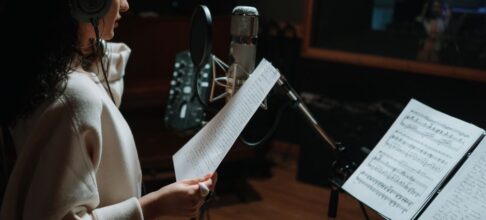
Dutch voice talent used to be a tight group—largely clustered around Hilversum’s media park or the Rotterdam ad agencies. In the late 1990s and early 2000s, nearly every radio spot or dubbed animation for Belgian and Netherlands markets was recorded live in these classic studios. At Audio Brothers in Hilversum (founded 2006), sessions would start with a stack of scripts on the table—no remote dial-ins, no real-time collaboration across borders. The workflow was tactile, rooted in relationships.
Now? Producers like Mijke de Jong at SoundCircus report that half their projects come from foreign clients via cloud-based platforms like Voicebooking.com—a company that started out as a practical solution for Dutch agencies seeking native speakers, but which now handles hundreds of languages per month (by industry estimate). Sessions are often directed remotely from London or Berlin; files delivered via WeTransfer before lunch.
Case Study: Game Localization Chaos at Vertigo Games
Gaming changed things—fast. When Rotterdam-based Vertigo Games worked on localizing "After the Fall" for VR audiences in 2021, their process became a microcosm of modern chaos: English source scripts landed late Friday evening; by Monday morning, localized Dutch takes were due for integration. Instead of corraling everyone into one room, they farmed out reads to three freelancers working from home studios in The Hague and Utrecht. One actor got AI-generated reference lines (from Respeecher) as timing guides—a pragmatic choice when nobody could schedule an all-hands session. The workflow wasn’t elegant but it hit deadlines.
In real production cycles now observed at major Dutch game studios and ad agencies alike, remote coordination isn’t just common—it’s expected. You might catch actors recording takes between school runs or meetings with non-Dutch clients on Zoom who have never set foot in Amsterdam.
Platforms Shape the Pipeline: From Netflix to Local TVC Bids
The Netflix effect is tangible: since launching its Dutch interface in 2014 and commissioning more local content each year after 2017, demand for dubbed series has exploded—especially among youth audiences who expect everything from Korean dramas to Hollywood cartoons to sound native-perfect. Studios like SDI Media Netherlands (now part of Iyuno-SDI Group) saw project volumes triple between mid-2010s and early pandemic years.
But the pipeline isn’t just about scale—it’s about fragmentation too. For example: while streaming giants insist on rigorous QC passes and consistent castings across seasons (sometimes re-recording entire roles if a lead moves abroad), smaller commercial campaigns—think Albert Heijn holiday ads—might hire separate voices week-to-week depending on budget swings or agency preference.
The Unspoken Divide: Human Touch vs Algorithmic Precision
Ask anyone doing casting these days: synthetic voices are everywhere—but rarely trusted with flagship campaigns. In 2023 alone, several mid-sized localization outfits based around Utrecht experimented with ElevenLabs’ generative tools for scratch tracks or quick explainer videos targeting internal staff. Results? Fast iterations—but nearly every client insisted on human overdubs once real distribution loomed.
Yet there are exceptions cropping up quietly along the fringes:
- An insurance startup in Eindhoven reportedly replaced all hold-music announcements with fully synthetic Dutch voices last autumn; few customers noticed any difference beyond reduced wait times during quarterly system upgrades.
- A German-dubbed mobile app popular among Rotterdam students recently swapped some UI narration from traditional VO talent to AI-generated variants after user testing found no drop-off in engagement rates among teens aged 13–19.
- A Brussels creative team working on Proximus telecom spots routinely commissions two sets of reads—even when only minor inflection changes mark the difference—and swaps them out regionally using dynamic ad tech systems developed by Adcombi (Amsterdam).
- For kids’ edutainment apps distributed across both countries by Jumbo Interactive Media since 2022, developers have invested up to 20% extra per project just ensuring regional authenticity through dual casting sessions done back-to-back via Source Connect linkups.
- Schedules built around WhatsApp groups—not physical calendars—increasingly dictate session times as talent juggles multiple gigs across Europe thanks to borderless contracts post-COVID.
- Session prep packs now include pronunciation guides crafted by neural TTS engines instead of old-school phonetic notes written by linguists; speeds up onboarding but sometimes leaves nuance lost until last-minute corrections are rushed through overnight edits.
- Payment flows have shifted too; agencies favor per-project digital invoicing rather than monthly retainers—a direct result of tighter margins caused by platform competition (notably from cheaper Eastern European houses providing solid B-grade VOs at below-market rates).
- Veteran narrators worry about disappearing institutional memory as juniors leapfrog into high-volume platform work without ever stepping foot inside classic studios;
- New entrants see opportunity everywhere—a fast-growing TikTok sub-economy pays quick cash for snappy product tags voiced directly into iPhones before being auto-synced onto social cuts by editors using Descript;
- Agencies quietly run pilot projects exploring how much end-to-end automation can happen before quality dips below what even an untrained ear finds acceptable;
The industry consensus? AI will eat low-stakes work first—the rest remains stubbornly artisanal.
Micro-Market Tensions: Belgium vs Netherlands Voices
One quirk unique to this market: subtle but intense rivalries between Flemish Belgian and mainland Dutch delivery styles. International brands entering Benelux often face headaches harmonizing both flavors without alienating either audience segment. In practice:
It’s not just language—it’s identity politics played out behind closed doors.
Workflow Shakeups Nobody Asked For (But Everyone Is Doing)
Here’s what I’ve seen behind the glass at mid-sized studios over the past year:
Everything feels faster—and thinner—as if everyone is waiting for someone else to blink first about raising prices again after years of downward pressure since late 2010s streaming boom.
Where Does It All Go Next?
Maybe it depends who you ask over those coffee breaks now humming with laptops instead of gossip alone:
And yet…for high-gloss projects—the kind that win Loeries or Cannes Lions—clients still demand seasoned pros like Marcel Jonker or Katja Schuurman fronting their campaigns live-on-mic under full direction by people whose names appear on production slates going back decades.
A paradox persists here: more tech leads to more choices but also amplifies anxiety about craft vanishing beneath convenience culture—the very thing that made Dutch voice artistry so distinct through waves of media change since pirate radio days of ‘70s Hilversum right up through today’s Spotify-first launches coming out of Amsterdam startups.