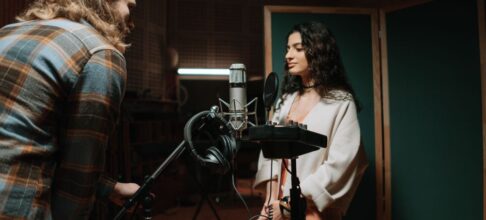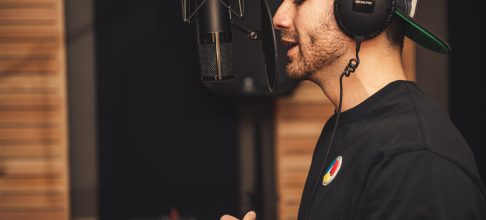
It’s 2017, and a production assistant on the outskirts of Burbank is huddled over a script for an animated Netflix series. The voice actor—known for those crisp, all-American timbres that seem to cut through any background noise—is warming up in the booth next door. On paper, this looks like another routine day in LA’s sprawling entertainment ecosystem. But beneath the surface, something subtler is happening: American voice over isn’t just selling characters or commercials anymore. It’s shaping how much of the world imagines itself, and sometimes stoking tension along the way.
Accents and Access: The Global Spread of a Sound
If you tune into a children’s cartoon dubbed in Poland or a videogame released across Germany and France, you’ll often encounter English-language tracks as an option—and not just any English. The “neutral American” accent has become the de facto standard for international releases since at least the late 1990s. Sony Interactive Entertainment (SIE), headquartered in San Mateo but with localization teams scattered from London to Singapore, routinely begins its global game launches by recording master audio tracks in neutral American voices. These are then distributed to regional studios for dubbing or subtitling.
This workflow isn’t universal—Japanese RPGs still often debut with Tokyo-based casts—but American voice over remains dominant in fast-growing segments like mobile games and streaming originals. In practice, this means that millions of European players first meet their favorite characters speaking English with California lilt before ever hearing them in their own language.
When Familiar Voices Shape New Realities
A production manager at Funimation (now part of Crunchyroll) once commented offhandedly that "the right voice can make foreign worlds feel local." This principle underpins why platforms like Disney+ invest so heavily in US-based talent when rolling out original content worldwide. According to internal estimates shared among industry insiders, upwards of 70% of exported US animation between 2015–2022 retained its original American voice cast even when offered with subtitles elsewhere.
But there’s a flip side to this ubiquity: exposure breeds expectation—and occasionally backlash. In 2021, German fans petitioned Netflix after discovering that several newly localized series featured only English audio tracks with German subtitles instead of full dubs—a cost-cutting measure attributed to pandemic-era studio closures but perceived by some as cultural sidelining.
Small Studios, Big Shifts: A Case from Warsaw
Let’s zoom into Poland, where a boutique studio called Studio Sonica handles both incoming Western projects and homegrown productions. Their workflow typically starts with receiving an "American master"—a fully mixed audio file featuring US-based actors delivering lines tailored to fit lip-flap timing and emotional beats already locked by LA animators.
From there, Sonica’s local directors must decide: imitate the tone set by those polished Californian performances or risk losing audience engagement by shifting toward distinctively Polish interpretations? According to one project coordinator interviewed during a 2023 game localization roundtable in Kraków, "Younger audiences expect heroes to sound like they do on TikTok—it means young, energetic… usually Americanized.”
This isn’t just anecdotal either; an informal survey conducted by Polish media blog Filmweb found that nearly half of respondents aged 16–24 preferred watching major releases in original English rather than dubbed versions—a shift attributed partly to globalization but also to social media trends fueled by American pop culture exports.
Advertising's Invisible Hand: Selling Aspirations With Sound
American voice over doesn’t only inhabit fictional worlds—it also saturates global advertising. Walk into an electronics shop in Melbourne or browse Australian YouTube ads targeting tech-savvy Gen Z consumers: odds are strong you’ll hear campaign spots voiced not by locals but by seasoned LA or New York artists booked through global agencies such as Voices.com.
In typical agency workflows observed within Sydney-based creative houses (for instance Clemenger BBDO), scripts for multinational clients are first recorded using US talent even when destined for Asia-Pacific markets. Local accents may be layered back in later rounds if test audiences resist—but more often than not, brands stick with that “universal” American sound because it signals innovation and reliability.
A senior copywriter from DDB Australia explained candidly during a recent industry panel: "When we pitch new tech products—or anything meant to feel cutting edge—we default to American voices almost reflexively. It’s aspirational." That word again.
Cultural Resistance—and Adaptation—in Europe
Of course, pushback exists. French broadcasters have long maintained strict quotas favoring native-language content; even so, Netflix France reported a steady increase in viewers opting for original English audio on major series between 2018–2022—upwards of 30% growth among urban millennials according to Le Monde's coverage last year.
Localization houses across Paris have responded creatively—not by abandoning French dubs but by recruiting bilingual French-American actors who can naturally bridge both worlds without jarring transitions between dialogue tracks. One notable success was observed at Studio Chinkel (Paris) during their collaboration on Ubisoft’s Assassin’s Creed franchise: hybrid casting sessions yielded dialogue options that could pass as authentically French while still feeling “global.”
Technology Disturbs Old Boundaries
Since mid-2020s advances in synthetic speech tools—think Respeecher out of Ukraine or ElevenLabs making waves among independent podcasters—the barrier between LA studio polish and remote workspaces has thinned dramatically. Studios once tethered to union-heavy Hollywood workflows now experiment with AI-generated placeholders during early animatics or rapid-fire ad campaigns.
A real-world scenario seen last year involved a Canadian indie animation house producing pilots entirely outside traditional pipelines; they used ElevenLabs’ text-to-speech platform trained on neutral American datasets for temp tracks before final casting decisions were made stateside. Cost savings aside (estimates ran up to 60% reduction vs classic booth sessions), producers noted how seamless access to “authentic” US-accented reads shaped client expectations—even when final voices would come from somewhere else entirely.
Social Impact: Whose Stories Get Heard?
Here lies the paradox at the heart of all this influence: while American voice over democratizes access—making stories legible across borders—it also flattens difference if left unchecked.
In real classrooms throughout Scandinavia today (Oslo being one example), teachers report students mimicking intonation picked up from YouTube influencers based out of Los Angeles rather than native Norwegian patterns—a subtle but significant signpost about which cultures get amplified via digital media pipelines.
Similarly, advocacy groups such as Dubbing Equity UK periodically raise alarms about underrepresentation; their campaigns point out that while British regional dialects have made incremental gains post-2015 thanks partly to high-profile BBC dramas crossing back into streaming territory, most international blockbusters still privilege generic US delivery unless local box office returns justify bespoke dubs.
More Than Just Voices: Economic Ripples & Identity Negotiation
The economic stakes aren’t minor either: SAG-AFTRA membership data indicates that overseas demand accounts for an estimated 20–30% increase in gig opportunities for top-tier US-based VOs since pre-pandemic years—a lifeline during periods when domestic production slowed due to strikes or lockdowns.
Yet smaller countries face tough choices about investing resources locally versus relying on imported talent pools managed from Los Angeles or Dallas—the latter often offering speedier turnaround times thanks to mature casting infrastructure and remote recording capabilities honed since around 2014.
As one Estonian post-production supervisor put it after wrapping work on an Amazon Prime miniseries last winter: “We want our stories told our way…but budgets say otherwise more often than not.”
Closing Notes From Inside the Booth
So here we are—in studios big and small from Helsinki basements outfitted with USB mics all the way up Sunset Boulevard suites lined with memorabilia and vocal warm-up charts—grappling every day with what ‘authentic’ really sounds like anymore.
in practice? The next time you stream a show dubbed halfway across the globe or catch yourself parroting catchphrases born from an LA scriptwriter's pen—you’re living inside these choices too.