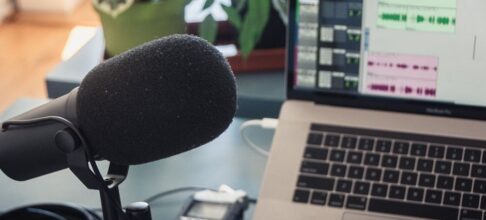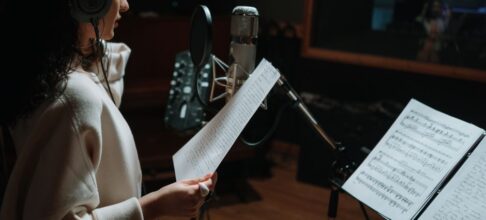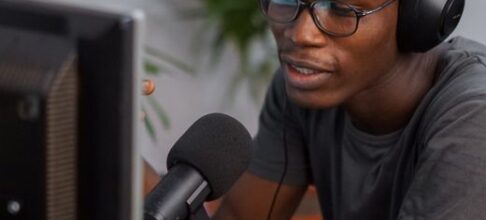
A few years ago, you could walk into a Parisian post-production studio and still see battered scripts marked in pencil, engineers hunched over Pro Tools rigs, and voice actors swapping stories about perfume spots or videogame trailers. But that world is getting harder to find—French Voice Over, once a tightly controlled domain, has become unexpectedly chaotic.
Consider this contradiction: France has one of the most rigorous dubbing traditions in Europe (just ask anyone who’s ever watched "Les Simpsons" on TF1), yet today’s marketers often discover that getting a credible French voice isn’t as simple as hiring a local actor. Budgets have tightened since the streaming wars hit full throttle around 2017–2018. Competition exploded. Suddenly every global campaign—even those from mid-sized consumer brands—wants native-quality French audio across YouTube pre-rolls, TikTok ads, Spotify podcasts. And yet... supply chains are fragmented.
When “Parisian” Isn’t Enough: Regional Nuance Gets Personal
Take a recent campaign for an eco-conscious skincare brand based in Lyon. Their agency (a boutique operation with roots in Marseille) was tasked with rolling out Instagram Stories targeting both Île-de-France and Provence-Alpes-Côte d’Azur. The client insisted the voice “not sound like Paris”—they wanted warmth, but not cliché southern singsong. Localising meant not just neutralizing regional accents but navigating fine lines between credibility and stereotype.
The studio’s solution? Casting two voices: one with Marseillaise undertones for southern placement; another more standard for national reach. In production calls, these choices sparked lively arguments about what “authentic” even means—a recurring tension now that French identity is so entwined with regional pride.
A Case From Montreal: When AI Meets Francophonie Politics
In 2023, I shadowed the team at VoixLab—a Montreal-based localization company frequently tapped by global streaming services looking to break into francophone markets beyond Paris. For a kids’ animated series distributed on an international VOD platform (think Netflix scale), they were tasked with creating both European French and Québécois tracks.
Here’s where it got messy: The client floated using AI-generated synthetic voices to reduce costs by nearly 30%. For basic narration or explainer content, tools like Respeecher or Descript had already been tested successfully by some Canadian agencies—but character-driven animation proved far trickier. The director explained how early demos sounded “off”—robotic on emotional cues and oddly flat when adapting idioms.
Ultimately, VoixLab stuck with unionized human talent for leads while allowing limited AI use for background chatter—a compromise emerging in many studios today when balancing cost efficiency against quality perception.
Data Points From Real Campaigns: Who Actually Listens?
Marketers like numbers—and here’s what agencies are actually tracking on recent campaigns:
- In 2022–23, several pan-European ad agencies reported that video completion rates dropped by up to 18% when non-native or accented French was used in highly targeted digital placements (e.g., Belgian-accented reads aired in Paris).
- On Spotify Ad Studio France, click-through rates improved by roughly 10–12% when campaigns used locally sourced voice talent versus generic banked audio clips—confirmed by internal dashboards shared at Cannes Lions last year.
- Yet budget constraints persist: One Paris-based media buying firm cited rising demand for "premium" native talent but noted that only about 40% of their clients approved budgets high enough to afford top-tier voices consistently across all channels.
The Game Industry’s Demands Are Driving Up Stakes
Talk to producers at Ubisoft Montpellier or narrative teams at Quantic Dream (Paris). Their games don’t just need clear dialogue—they need cinematic performances capable of carrying emotional nuance through branching storylines and dynamic gameplay moments. Since around 2015—the era when AAA games became true blockbusters—casting directors have fought to secure recognizable stage actors or TV veterans for key roles.
And deadlines haven’t eased up just because expectations have soared; localization pipelines now run parallel to original VO sessions instead of trailing months behind release dates (as was common pre-2010). One project manager described scrambling to line up five separate recording studios across Paris and Brussels just to finish day-one patches for a cross-platform RPG launch last year.
Influencer Campaigns Prefer Authenticity—But Can They Afford It?
A curious shift has happened among influencer-driven campaigns since TikTok hit critical mass post-2019: Many brands want user-generated energy but polished delivery—a contradiction that sends casting directors searching outside established agency rosters.
A social-first beauty brand recently bypassed classic studio options altogether, instead recruiting semi-professional podcasters from Lille and Nantes found via Clubhouse rooms during lockdowns. Rates hovered between €150–€300 per spot—a fraction of union minimums—but these new voices brought audiences who recognized their style from online platforms rather than traditional TV ads.
Historic Milestones—and Why They Still Matter Today
French Voice Over is rooted in tradition going back decades—the first real boom came during the VHS rental surge of the late ‘80s when Canal+ made dubbed movies accessible nationwide. By the early 2000s, voice acting schools flourished in Paris; unions established strict standards protecting talent pay rates and working hours (which still shapes workflows today).
Yet new tech cycles keep colliding with old guard realities: In Berlin’s creative scene circa 2016–17, for example, several German-French co-productions experimented with remote cloud-based VO sessions—an approach quickly mirrored by Parisian shops during Covid lockdowns three years later. Some industry insiders estimate remote recording now accounts for nearly half of all commercial VO session-hours booked inside France in any given month as of early 2024.
How Real Studios Adapt Under Pressure: A Workflow Snapshot from Bordeaux
Let me bring it down to earth with one more scenario: An advertising studio based near Bordeaux recently landed a tourism board contract requiring six different short-form videos localized into French within ten business days—with versions tailored separately for Belgian and Swiss audiences too.
Their workaround? Partnering with freelance engineers working remotely in Lausanne and Brussels while using Source-Connect software to sync sessions live across borders. Voice casting happened almost entirely via WhatsApp auditions—a far cry from face-to-face table reads twenty years ago—but allowed them to tap regionally appropriate accents quickly without flying talent around Europe (saving roughly €2K per video according to an internal memo shared after project wrap).
Clients loved the speed; purists grumbled about loss of traditional artistry. This push-pull seems here to stay—for every slick workflow upgrade there’s an equal dose of nostalgia for older craft methods.
No One Right Answer—Just Layers of Complexity Now
If you try mapping out today’s landscape—from indie game devs hunting authentic dialects on Discord servers to multinational FMCG firms automating explainer reels via AI—it looks less like a streamlined pipeline than overlapping circles drawn hastily after too much caffeine.
Budgets aren’t keeping pace with creative ambition; quality demands climb while timelines shrink; tech enables miracles but creates its own set of headaches around consistency and cultural nuance especially when dealing with sensitive topics (think pharma compliance spots or political advocacy content).
So yes—marketers are spoiled for choice when it comes to tools, platforms, and raw vocal talent available across France (and increasingly Belgium/Switzerland/Quebec). But stitching all those elements together into something believable enough for modern audiences? That takes more than knowing which button says "record." It takes industry intuition formed by watching what actually works—and fails—in real-world campaigns.