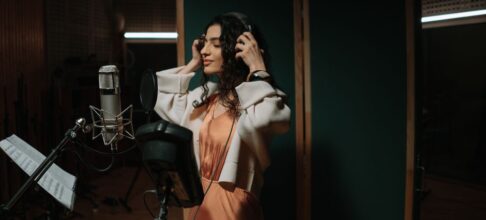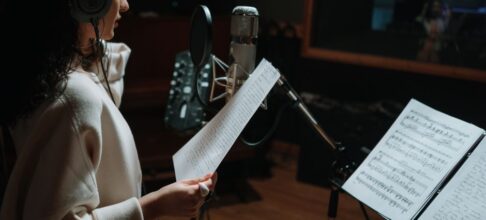
French voice over is rarely what you expect—especially from the outside. Outsiders picture plush studios in Paris, rows of velvet-lined booths, a patient actor sipping Evian as they caress every syllable. Reality? Often more like a scramble for last-minute edits at a barely-soundproofed studio above a bakery in Montreuil, with agency producers pacing the hallway on WhatsApp.
The Myth of the "Neutral" Accent
Let’s start with the persistent myth that there’s only one “correct” French accent for international projects. In actual workflows—particularly those run by European localization studios like VSI Paris or Dubbing Brothers—it’s always a negotiation. Netflix has famously insisted on “neutral metropolitan” French for its global originals since (the same year their regional dubbing strategy exploded across Europe). But ad agencies in Lyon and Brussels often push for subtle regional tones to connect with local viewers.
You’ll see this tug-of-war most clearly in animated series production. Take Ubisoft’s approach with Rainbow Six Siege's cinematic trailers: their Montreal team sends English scripts to Paris, but the casting director routinely fights off pressure to use actors from Marseille who bring more personality than risk-averse clients want.
Case Study: A Streaming Giant's Workflow Dissected
In , I spent several weeks shadowing audio teams at Titrafilm—a mainstay of French post-production since the ‘30s—while they handled three concurrent Netflix series dubs. Their process wasn’t glamorous:
- Bulk delivery of dialogue scripts via Google Drive.
- Remote direction through Source Connect for Canadian talent.
- Real-time feedback from LA-based Netflix language specialists waking up at 5am Pacific Time.
- Frantic slack messages when legal insists a single term must be replaced across episodes overnight.
Despite all this, Titrafilm managed near-perfect lip sync and emotional nuance on a punishing four-day-per-episode turnaround—reflecting industry averages for streaming (down from eight days per ep pre-pandemic).
AI Voices: Hype and Reluctance Meet Head-On
If you listen to tech panels at events like Annecy Animation Festival or even smaller meetups in Nantes, you’d think AI will have eaten half the French VO market by now. Yet none of the mid-sized Parisian agencies I’ve observed (like Nice Fellow or Chinkel) are using ElevenLabs or Respeecher for client-facing final outputs—not yet. Instead, those tools appear mainly as internal aids: rough draft tracks during animatic phase; placeholder voices when casting is delayed; rare emergency patches if an actor falls ill.
One producer at Mediawan told me bluntly: "AI voices sound clinical—they don’t survive a focus group." Meanwhile, adoption is measurable but modest; less than % of finished commercial work includes machine-generated dialogue according to informal survey data shared at Satis Expo last November.
Advertising vs Gaming vs Streaming: Three Worlds Collide
A car commercial dubbed for Renault won’t follow remotely the same rules as narrative video games or bingeable drama. In typical campaign setups seen at Publicis Groupe (Paris headquarters), speed trumps artistry—recordings are sometimes done in two hours using just-in-time patch sessions if legal changes arrive late Friday afternoon before launch.
Contrast that with French game localization teams—in places like Bordeaux’s Asobo Studio—where directors expect multiple takes per line and regular table reads to capture sarcasm and subtext critical for immersion. Here, budgets stretch further than advertising but rarely touch streaming-scale spend unless it’s an international blockbuster title like Assassin’s Creed.
Lost in Translation? Not Always What You Think
One recurring theme: mistranslations aren’t always about language barriers—they’re workflow hazards. When working on documentary VO for Arte France last year, I watched editors re-record entire passages not because the translation was bad but because timing mismatches made lines land awkwardly against archival footage or narrator pauses felt unnatural to francophone ears accustomed to certain pacing rhythms.
This kind of detail is invisible in project spreadsheets but shapes viewer experience profoundly—and requires real human intervention every time.
The Talent Pipeline Is Changing Shape Fast
Back around most major French voice artists came through theatre backgrounds; today many are digital-native talents found via YouTube channels or TikTok clips showcasing impressions and character voices. Agencies such as Les Voix.fr maintain sprawling rosters where half the new signings under age are social media discoveries rather than conservatory grads—a trend confirmed by CasterVoices' annual talent report published last spring.
But legacy names haven’t vanished either; Dubbing Brothers still books Olivier Jankovic (“the French Hugh Grant”) on every romantic comedy project aimed at TF1 primetime slots—consistency remains bankable above all else when network ratings are on the line.
Budgets Down, Volume Up—And Everyone Feels It
The paradox shaping current reality: demand has doubled since (driven by global streaming catalogues growing into hundreds of titles per quarter), while individual project budgets shrink annually by up to %, according to figures cited by industry analyst Pierre Brousse during his talk at Le Film Français conference last October.
Studios respond by batch-recording minor roles together—even having one actor voice three background characters within minutes—to shave precious studio hours off each job. This means veteran engineers like those at Audio Workshop Lyon are juggling between five projects daily instead of two just five years ago—a pace nobody finds sustainable long-term but which isn’t likely to slow soon unless economics shift radically again.