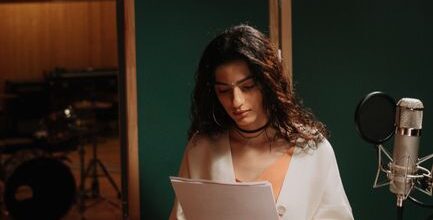
Bulgaria’s voice over scene, at least the way I’ve watched it mutate since the 1990s, has always been a cocktail of contradictions. National TV dramas in the early 2000s were still dominated by one-man narrations—think Ivan Petrov reading entire Hollywood thrillers with only minor intonation shifts. But now, as streaming platforms like HBO Max and Netflix push for more localization, those days are nearly unrecognizable.
When Sync Sound Isn’t Synced
Here’s the contradiction: viewers demand authentic voices that sound like real people, but budgets often force studios to use familiar talent cycling through ten different roles per episode. In Sofia, two mid-sized audio houses—Sound Design Studio and Studio Nova—handle most of the foreign series work. Their engineers routinely joke about "the Bulgarian Morgan Freeman" because you keep hearing his voice on every genre from crime procedurals to animated squirrels.
This isn’t nostalgia. It’s a workflow reality. One studio manager described a March 2023 project for Amazon Prime where a single actor covered three key roles simply because there weren’t enough professional talents available at short notice who could hit the deadlines.
AI Dubbing – Promise or Parody?
But then there’s the new wave: synthetic voices and AI-assisted dubbing tools are making quiet inroads, especially post-2021. Studios like Drastic Play in Plovdiv started experimenting with Respeecher and Voicemod plugins last year—not to replace human actors entirely but to patch lines when scheduling conflicts erupt or minor script changes come after recordings wrap up.
A typical example: during an advertising campaign for Lidl Bulgaria’s winter 2022 push, three out of twenty radio spots used AI-generated corrections because original voice talent was unavailable during reshoots. No one outside the studio noticed—which is both impressive and unsettling if you care about artistic integrity.
The Netflix Effect—But Different in Sofia
Netflix entered Bulgaria officially around 2016–2017, but it wasn’t until late 2019 that their local content managers began prioritizing native-language overdubs instead of just subtitles. Since then, several localization agencies—such as VSI Sofia and Graffiti Studio—have reported a steady jump in full-cast dubbed productions, particularly for teen dramas and family shows.
What matters here is not just volume (one manager estimated their dubbing workload doubled between 2019 and 2023), but also how much more demanding global clients have become about linguistic nuance, age-appropriate casting, and lip-sync accuracy—even when budgets remain stubbornly Balkan-sized.
Case Study: Ubisoft Sofia’s Game Dialogue Challenge
Games add another layer. Ubisoft Sofia’s role in AAA titles like Assassin's Creed has forced them to rethink voice pipelines entirely. Instead of hiring generalist actors for every character (as was common five years ago), they now build mini-pools of specialized talent who can handle branching dialogue trees across multiple sessions—a necessity when English scripts balloon to tens of thousands of lines per release cycle.
A producer recounted how for Assassin's Creed Valhalla (launched globally in late 2020), the team spent over six months coordinating remote sessions using Source Connect because COVID restrictions blocked traditional studio gatherings. The result? More consistent regional accents—but also higher costs per finished hour compared to pre-pandemic workflows.
From Telenovelas to TikTok: New Formats Demand Agility
A pattern I’ve seen emerge recently is how older forms like telenovelas are giving way—at least among under-30 audiences—to micro-content shaped by social media trends. Brands commissioning short-form web campaigns no longer need epic narration; they want quick-turnaround voice overs that sound spontaneous rather than polished.
Take the case of Matchpoint Media, an agency based in Varna that specializes in influencer-driven ad formats: their entire workflow revolves around WhatsApp recordings and rapid file swaps rather than formal studio bookings. One producer told me that nearly half their projects now use amateur voices sourced directly from client staff or even customers—the line between audience and performer dissolving altogether.
Quality Control or Quantity First?
This chase for speed comes with risks. Producers at Nova TV admit privately that while they can turn around localized promos within hours using seasoned freelancers (some voicing three ads before lunch), it sometimes leads to mismatches between tone and brand identity—a problem especially acute when working on high-profile international launches such as MasterChef Bulgaria or Disney Channel imports.
In contrast, smaller independent studios often refuse these fast-track jobs altogether unless there’s time for proper casting calls—a luxury not everyone can afford given razor-thin margins.
Numbers That Matter More Than Hype
So what do adoption patterns look like beneath all this churn? Based on conversations with five different studios from Sofia to Plovdiv:
- Roughly 60–70% of major commercial projects still rely on established voice professionals,
- Around 20% now incorporate some degree of synthetic editing or partial AI dubbing,
- And only about 10% represent true “amateur” productions (mainly social/web campaigns).
These numbers shifted notably upward for AI usage after mid-2022 as more SaaS providers offered affordable Bulgarian language models—but wholesale replacement remains rare outside experimental contexts.
Retaining Identity Amidst Globalization Pressures
The bottom line isn’t whether technology will take over—it hasn’t yet—but whether Bulgarian content can retain its distinct flavor when faced with homogenizing international standards. There’s still a kind of underground pride among veteran directors who insist on keeping regionalisms alive even as big clients ask for neutral European-Bulgarian tones so content travels better across markets—from Thessaloniki to Munich or beyond.
I recall watching an indie docudrama session at Audio Arte in central Sofia last spring—the director refused any hint of generic speech patterns even though her funding came from a German distributor looking for pan-Balkan appeal. This tug-of-war isn’t ending soon; if anything, it sharpens each season as platforms scale up demands while local creatives dig deeper into authenticity as a selling point.
A Final Note on Training Pipelines—and What Gets Lost Along the Way
One overlooked trend? Talent development itself is lagging behind demand growth by several years. University programs in drama don’t teach ADR (Automated Dialogue Replacement) skills directly; most newcomers learn through internships at places like VSI Sofia or via YouTube tutorials posted by alumni who broke into dubbing through sheer persistence rather than formal instruction.
As one young actress summed up backstage last month: “We’re teaching ourselves old tricks just fast enough so we’re not replaced by robots.” That tension defines today’s Bulgarian voice industry better than any press release ever could.