The Illusion of Global Readiness
To outsiders, the rise in demand for Georgian voice over since 2019 looks like an overnight success story: streaming giants like Amazon Prime Video suddenly want menu localization, indie game studios from Poland are adding Georgian character voices, and e-learning companies look east for new markets. In reality, any seasoned project manager at a European localization agency—say, LocDirect in Berlin—will tell you how often projects stall when they hit the “Georgian” milestone on their production tracker. What seems simple is complicated by scarcity at every turn: talent pools, infrastructure, and even software compatibility.
Where Are All the Voices?
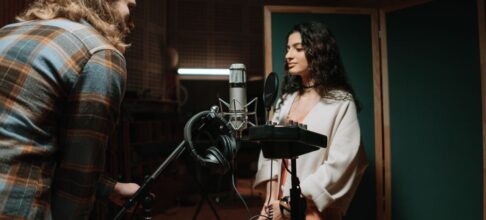
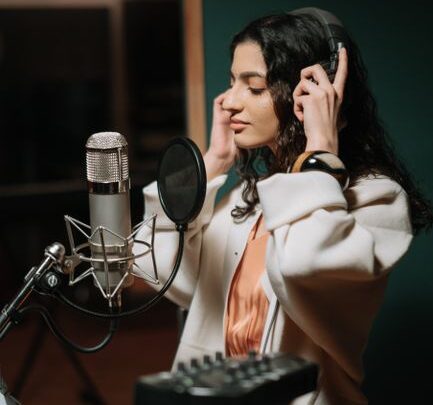
Take the numbers: in Germany or France, you can hire from hundreds of unionized voice actors with years of genre experience. In Georgia? Industry veterans estimate fewer than thirty working professionals who regularly deliver high-quality long-form content (think audiobooks or episodic series) for export markets. Of those, only about a dozen have navigated the technical standards required by major streaming clients—24-bit audio, sync-to-picture ADR workflows—and even fewer have consistent access to proper soundproofed booths.
When Polish game developer Pixel Voyage worked with a Tbilisi-based team last year to localize their fantasy RPG into six languages including Georgian, they encountered an unexpected bottleneck: not enough available voices to cast both young and old characters authentically. Ultimately, the project lead resorted to remote casting via Zoom with actors based as far away as Batumi and Kutaisi—a workaround that added two months to their production timeline compared to other language versions.
The Software Gap No One Talks About
A common misconception among US-based clients is that modern DAWs (Digital Audio Workstations) have leveled the playing field worldwide. In practice? Many mid-tier studios across Tbilisi are still running cracked copies of Cubase 7 or Pro Tools 10 on aging PCs salvaged from previous TV station upgrades. When Netflix debuted its first fully dubbed feature film in Georgian in late 2021—an action movie shot originally in Spain—the final audio had to be bounced between three small studios because no single facility could handle multi-track mixing at scale.
And then there’s subtitling software: while Western Europe has largely moved on to cloud-based solutions like Ooona Toolkit or Zoo Digital's platform for collaborative QC sessions, most small studios here rely on open-source alternatives patched together with Google Sheets and WeTransfer links. This patchwork extends delivery times well beyond industry norms—a fact rarely acknowledged by glossy client reports.
Talent Development—or Lack Thereof
One seldom-mentioned truth: university drama departments in Tbilisi and Kutaisi produce dozens of energetic graduates each year eager for screen time but barely exposed to modern dubbing technique. During my last visit at GEOVoice Studio (a boutique operation serving educational publishers), I watched as a director spent half an hour explaining basic mic proximity effect before a single line was recorded. Compare this to London’s Soho Square workflow where routine casting sessions run back-to-back with minimal coaching needed.
No wonder then that larger agencies—like Translatify Group out of Vilnius—report regular delays when sourcing fresh Georgian talent for pan-European ad campaigns. These delays aren’t about language complexity; they’re about training gaps baked into a system where most actors learn by shadowing colleagues instead of structured workshops found elsewhere.
When AI Dubbing Meets Reality
AI-powered voice synthesis was supposed to help smaller languages leapfrog traditional hurdles—but so far this promise remains mostly theoretical in Georgia. Real-world attempts at using ElevenLabs’ multilingual engine by local ad producer Vano Kalandadze resulted in bizarre prosody mismatches and mispronounced idioms that had clients howling (and ultimately opting back for human actors). In part this is because existing datasets used to train these systems include little native-accented material; what exists skews heavily toward newsreader intonation rather than conversational or dramatic style.
Industry insiders point out that less than 5% of commercial spots airing locally utilize synthetic voices as anything more than placeholders—the rest revert quickly back to flesh-and-blood narrators who know how “ghame” should sound after midnight.
A Mini Case Study: E-Learning Stalls at Scale
Consider EduBridge Solutions, an Australian e-learning provider expanding into Central Asia. Their plan: launch math modules dubbed into six regional tongues including Georgian. Their audio partner—a midsize studio based near Rustaveli Metro—soon ran into schedule chaos after booking three narrators who all backed out due to conflicting TV shoots (a common occurrence given how many actors juggle multiple gigs). End result? EduBridge’s rollout slipped by twelve weeks versus Russian and Turkish launches handled via established pipelines in Istanbul and Almaty.
This isn’t rare; several French edtech companies report similar snags when working through local partners instead of pan-regional agencies who maintain deeper rosters across multiple cities.
Cultural Nuance Versus Market Pressure
Why not simply outsource everything abroad? Several multinational brands—including IKEA during its 2022 entry campaign—tried routing scripts through global LSPs only to receive stiffly literal translations with mismatched phrasing alienating local consumers (“assemble with joy” became “collect happily,” losing all practical resonance). After disappointing test focus groups outside Tbilisi Mall, IKEA quietly rehired bilingual copywriters on-site despite higher costs per minute delivered.
The tension between speed/scale and cultural credibility means that authentic voice over will remain stubbornly artisanal here—even as AI tools improve elsewhere.
Future-Proofing Is Easier Said Than Done
Ask anyone behind the scenes: there’s no shortage of hope about growing budgets or streaming deals ahead—but also no illusions about what stands in the way. A senior engineer at Dublab (the region’s largest post-production hub) estimates it will take another five years before infrastructural parity is reached with neighboring Turkey or even Armenia when it comes to automation and scalable workflow integration.
during roundtable discussions at last autumn's Baltic Media Localization Summit (held virtually between Tallinn and Vilnius), several panelists noted recurring complaints from clients about “unpredictable throughput” whenever projects included Georgian tracks—echoing familiar refrains from teams managing multi-language releases across EMEA territories.
The Unspoken Resilience
Despite these roadblocks—and perhaps because of them—the best work coming out of Georgia has a handcrafted quality few big-budget operations can replicate. Sit down with any veteran casting director here and you'll hear stories about patching together session schedules around rolling power outages or hiring folklore singers whose vocal timbre brings something irreplaceable yet utterly unquantifiable.
If there’s any hidden truth worth telling? It’s that genuine connection sometimes emerges precisely because resourcefulness is required—not despite it.