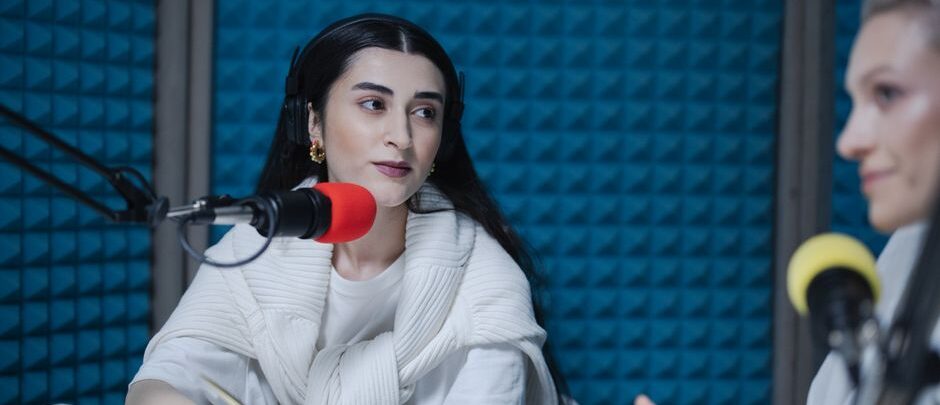
It’s not just about rolling your Rs or nailing a Highland lilt. The Scottish voice over landscape, to outsiders, is often reduced to caricature—the wry Glaswegian cabbie, the poetic Edinburgh narrator. But for those inside the business, it’s a patchwork of precise casting decisions, technical adaptation, and cross-border headaches. You only understand this when you see how a real recording session in Glasgow can grind to a halt because an American client wants "more Braveheart" but less indecipherable authenticity.
The Tartan Filter Dilemma
In , I sat in on a localization session at Blazing Griffin—a well-known studio based in Glasgow that’s handled everything from indie games to Netflix drama ADR. The brief was simple: "Make it Scottish enough for UK audiences, but globally accessible." An impossible equation? Almost. The director spent half an hour with actress Laura Macdonald retuning lines that sounded “too Aberdonian” for the London-based brand agency dialing in via Zoom. It was a balancing act I’ve seen repeated in countless sessions since—Scotland’s distinctive sound is both its asset and liability when commercial campaigns need both character and clarity.
Why So Many Game Studios Head North
You’d be forgiven for thinking that most game dialogue is recorded somewhere between LA and London. In truth, studios like Tag Games (Dundee) and NoCode (Glasgow) regularly tap local voice talent not just for cost savings but for linguistic agility. When Ubisoft briefly piloted their Assassin's Creed: Valhalla DLC localizations through Edinburgh-based Black Sheep Studios in , their feedback loop with Montreal required native speakers who could switch from clipped RP English to regional Scots dialects on command—and do so convincingly within two takes.
The Role of AI: A Blessing and Curse?
AI voice generation platforms have arrived—Respeecher and ElevenLabs among them—but Scottish accents remain notoriously tricky for synthesis. One Dublin-based advertising agency told me they trialed three different AI tools last year trying to clone an Ayrshire accent for a car insurance spot; every version came back sounding like Sean Connery impersonators run amok. As of early , fewer than % of major ad campaigns produced by Scotland's Frame Agency use AI voices without human touch-ups.
Real Numbers: How Busy Is the Market?
According to data shared by Edinburgh’s The Voiceover Gallery (a boutique agency handling TV promos and educational content), demand for authentic Scottish reads grew by roughly % between –—spiking around COP26 and during VisitScotland’s digital reboot post-pandemic. Yet this same period saw increased competition from pan-UK agencies offering “Scottish-style” voices recorded outside Scotland entirely—a practice that consistently draws scorn from Glasgow Union actors’ groups.
A Practical Workflow Example: Whisky Campaigns Go Global
Consider the production pipeline behind Glenfiddich’s latest streaming ad campaign targeting U.S., European, and Asian markets. Their creative team worked with Wildcat Studios (Edinburgh), using three native speakers: one with neutral Lowlands tones, one Highlander with softer edges, and a bilingual English-Gaelic narrator whose tracks were layered into Japanese subtitle versions on Amazon Prime Video Japan—a process taking four weeks start-to-finish due to re-records prompted by focus group confusion over “Slàinte Mhath.”
When Brands Get It Wrong—And Sometimes Right
There are cautionary tales too: A German fintech company tried launching its UK arm in early using what sounded suspiciously like Google Translate synthesized dialect—social media mockery followed within hours. By contrast, when BBC Sounds debuted its true crime series "Murder Under Trust," producers insisted on authentic regional casting—even flying in Fife-born actor Brian McCardie rather than risk a generic read.
Training & Entry Points: Not Just About Drama School Anymore
Traditionally, most Scottish voice artists came up through theatre or BBC Radio Scotland apprenticeships; today there are multiple routes in. Napier University’s Sound Design course now partners annually with audio post-houses like Savalas Sound to train new talent specifically for commercial VO work—about graduates each year find placements across advertising studios throughout the Central Belt.
The Future Isn’t All Plaid Blankets And Bagpipes
If you spend time at events like XpoNorth (the Highlands’ creative industries showcase), you’ll hear less about tradition and more about global reach: podcasts distributed via Spotify Sweden looking for "Scottish flavour," or animation dubs aimed at Dubai-based children’s networks demanding precise intonation matches—not just broad stereotypes.
So what does it take? Flexibility is currency here; even veteran talents are expected to shift gears mid-session depending on whether they're voicing audiobooks for HarperCollins UK or safety training modules destined for renewable energy crews off Aberdeen's coast.
Final Takeaway From The Booth Floor
A real guide doesn’t just tell newcomers to “find your niche”; it shows them how real-world demands shape every session—from awkward remote directorial notes (“Can you sound more trustworthy?”) to unexpected overtime because someone forgot Scots Law requires specific legal disclaimers voiced verbatim.
In short: The mythic Scottish voice over world isn’t built on legend—it runs on deadlines met between rain showers in Leith or late-night pickups piped through ISDN from Stirling basements. That tension between authenticity and adaptability? It’s where Scotland actually finds its edge.