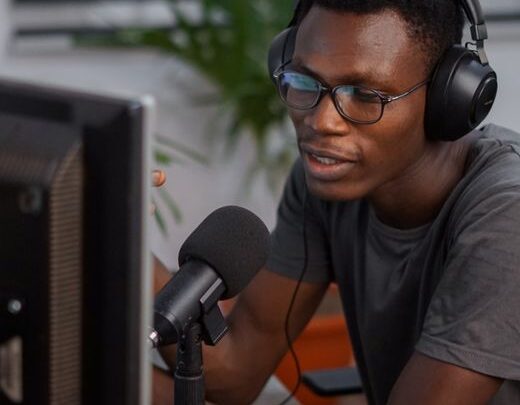
Nobody expected Johannesburg’s Loop Studios to become a go-to hub for Netflix’s African Originals. Five years ago, most streaming clients funneled their voice-over and dubbing work through European or Indian post houses. The assumption—unspoken but persistent—was that Africa didn’t have the technical or linguistic infrastructure to deliver at scale. That myth is now in pieces.
Cultural nuance over cost-cutting: A turning point
A few industry veterans in Lagos still remember when major game localizations landed only in English, French, or Arabic dubs—even as mobile adoption soared in Nigeria, Kenya, and Ethiopia. But by late , platform localization heads at companies like Ubisoft and Showmax started to realize that authenticity and regional nuance were trumping basic translation. An actual Yoruba-speaking actor could deliver lines with an inflection no Parisian studio would ever catch. Suddenly, nuanced storytelling wasn’t just a nice-to-have—it was a brand necessity.
The workflow disruption nobody predicted
Here’s where it gets interesting: European audio post-production agencies (like Berlin’s AudioFabrik) who routinely handled pan-African releases now find themselves collaborating directly with Ghanaian boutique studios such as AccraSoundLab for Akan-language dubs. Instead of sending raw tracks overseas for direction and mastering, workflows are split between continents: casting and direction happen locally; final mixing is sometimes done back in Europe for compliance.
In one recent campaign—a -episode South African drama picked up by Canal+ in France—the voice-over process ran through three countries and six time zones, with principal talent sourced from Cape Town’s Stellar Voices agency. Producers say this hybrid approach cuts about % off delivery times compared to old models reliant on single-location teams.
AI tools meet human voices—and friction follows
Of course, AI-powered voice synthesis platforms like Respeecher have tried to muscle into the space too. Yet real-world adoption remains patchy across Africa’s top production cities. In Nairobi’s indie animation scene, for example, studios report that while text-to-speech demo reels speed up casting auditions, final voice tracks still overwhelmingly come from human actors—often recorded in makeshift home booths during load shedding hours.
What does scale look like? Consider Johannesburg: three mid-sized voice agencies there handled over commercial scripts monthly by mid-—a figure up roughly % since pre-pandemic years according to local insiders. Meanwhile, DStv's pan-African ad campaigns increasingly demand not just English or Zulu versions but also niche languages like Tswana and Swati—languages that few global AI providers have yet mastered convincingly.
From radio jingles to transmedia franchises: The evolution continues
Go back ten years and much of African VO was limited to advertising or government PSAs—think catchy Shona jingles on Zimbabwean radio or multilingual health spots in Lusaka. Now? Look at what Triggerfish Animation did with "Khumba"—its original cast delivered performances in Xhosa before any English dub was produced. That decision paid off: domestic box office receipts outpaced expectations by nearly % during its initial run.
Is this growth sustainable?
Not every market moves at the same pace. Francophone West Africa lags behind Anglophone hubs like Nairobi or Cape Town when it comes to high-frequency content pipelines; bandwidth constraints and payment infrastructure issues remain stubborn obstacles for independent studios outside major metros.
But there are signs that acceleration is contagious: South Africa-based localization firm MediaWorx recently inked a deal with a Polish e-learning platform looking to launch content subtitled and voiced in Hausa—a pairing almost unthinkable five years earlier.
Hybrid solutions—and stubborn realities
Some things haven’t changed much since the early days of Afrikaans radio soapies: tight budgets mean many projects still rely on multitasking talent who can double as both script adapter and lead actor (sometimes even engineer). But increasing demand has forced even small studios in Maputo or Dakar to invest in better remote collaboration tools—cloud-based DAWs like Soundation are suddenly part of everyday workflows where WhatsApp chains once sufficed.
If you walk into an established Nigerian post house today (say, one handling Nollywood projects), you’ll hear more than code-switching between English and pidgin—you’ll notice project managers juggling Excel schedules with real-time direction calls from London clients demanding quick turnarounds on Yoruba promos destined for diaspora streaming audiences.
The big picture? Global platforms must adapt—or get left behind.
The wave is not just about language counts—it’s about keeping pace with grassroots creative networks who move faster than any legacy pipeline allows. As more brands chase relevance with pan-African audiences—from Spotify playlists voiced by Kenyan artists to Togo-based edtech apps needing Ewe narrators—the myth of VO being an export-only business evaporates by the month.