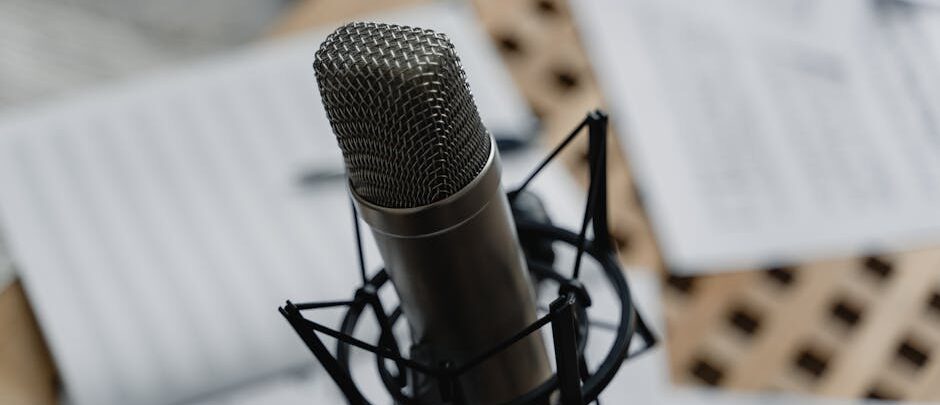
It always starts with a brief. Sometimes it’s three sentences, sometimes an entire novella. But ask anyone who’s worked in British voice over—producer or artist—and they’ll tell you the same thing: the real work happens between the lines. It’s a delicate negotiation of accent, tone, and timing that seems effortless on screen, yet behind closed studio doors (or increasingly, kitchen cupboards-turned-vocal-booths), it’s anything but simple.
The Quiet Revolution of the Accented Read
The old BBC Received Pronunciation—think 1970s news broadcasts or David Attenborough’s early narration—once ruled supreme. Yet by , London-based agencies like Soho Voices noticed a surge in demand for regional British accents; not just posh southern tones but Liverpudlian, Geordie, and even Cornish. A client from Amsterdam might request “neutral UK” for an e-learning module, while Netflix post-production teams often specify “unmistakably Mancunian but globally clear.”
In practice? This means that studios are keeping far wider rosters than before. At Soho-based facility The Voiceover Gallery, their talent list grew by over % between and just to keep up with streaming localization needs—especially as US clients want ‘British’ but don’t always know what that really means.
A Real Workflow: Game Studios in Leeds and Remote Reality
Take a mid-sized game developer like Team17 Digital in Wakefield. For their hit platformer “Yooka-Laylee,” localization wasn’t only about translating menus—it was about character voices fitting quirky British archetypes. They started casting locally but soon found themselves using Source Connect to patch in Scottish actors from Glasgow and dialect coaches dialing in from Cardiff. By , at least half their voice sessions happened entirely remotely—a pattern echoed across dozens of UK studios since pandemic-era lockdowns.
Remote workflow is now standard: scripts are shared via Google Drive, live direction happens over Zoom or SessionLinkPRO, and final files get uploaded directly into Unreal Engine builds. What used to take weeks across multiple trips to London now wraps up in days; Team17 cut production time for English-language VO by nearly % after moving remote-first.
AI Voices: Inevitable Complication or Useful Tool?
Of course, there’s tension brewing with synthetic voices. Companies like Respeecher and ElevenLabs pitch AI-generated British narrators as cost-saving alternatives for explainer videos or rapid prototyping. In reality, most ad agencies—like Manchester's LOVE Creative—still prefer human reads for high-stakes campaigns (think Jaguar car launches) because nuance isn’t just about pronunciation; it’s about timing breaths to sound natural when selling luxury.
That said, smaller web agencies across Sheffield and Bristol report they’re using AI for scratch tracks during pre-visualization stages or internal pitches—not final delivery (yet). By late , roughly % of their overall project volume involved some AI element according to informal industry polls at the Media Production & Technology Show in London.
Casting Contradictions: The Brief vs The Brand
A frequently overlooked challenge comes down to casting briefs themselves. American clients may specify "Queen's English" only to later realize they want something warmer—more Richard Ayoade than Colin Firth. Meanwhile German audio-post houses like Rotor Film GmbH in Potsdam have reported difficulties aligning international expectations with native authenticity when handling UK content for major streamers.
This contradiction plays out daily: one real campaign saw a Berlin-based creative agency hire three different British VOs before settling on a Yorkshire accent—not because it was requested originally but because test audiences found it more relatable for a fintech app onboarding video.
Kitchen Booths and the Democratization of Talent Pools
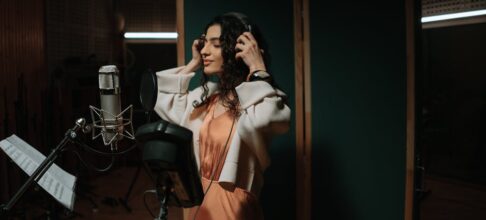
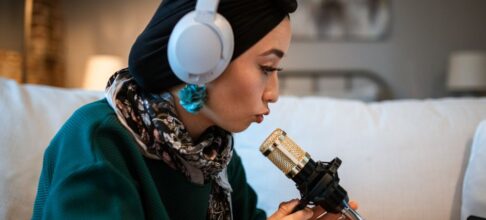
Before COVID- hit in , nearly all professional British voice overs came through purpose-built studios dotted around London or Manchester—the classic glass booth setup padded with foam tiles and nervous energy outside the door. Fast forward four years: even seasoned artists such as Emma Clarke (the original "Mind the Gap" voice on London Underground) are known to record national radio ads from home closets lined with duvets and pillows.
Studios have adapted too; Voice Squad in Islington began mailing out portable preamp kits so talent could deliver consistent quality wherever they happened to be isolating. That flexibility led them to complete over remote commercial projects during the first year of lockdown alone—a fivefold increase over previous years.
The Real Simplicity? Knowing Which Complications Matter Most
If there’s any secret sauce to making British voice work feel “simple,” it might be this: knowing which details matter enough to fight for—and which can be left ambiguous until test audiences chime in.
Most localization managers at global platforms like Disney+ now maintain agile rosters featuring both established names and fresh regional finds sourced via online casting calls—a process nearly unthinkable ten years ago when everything hinged on agent relationships or word-of-mouth within Soho circles.
But simplicity isn’t about removing complexity altogether; it’s about hiding it behind seamless workflows so brands get exactly what they need—even if what they ask for keeps changing by the hour.