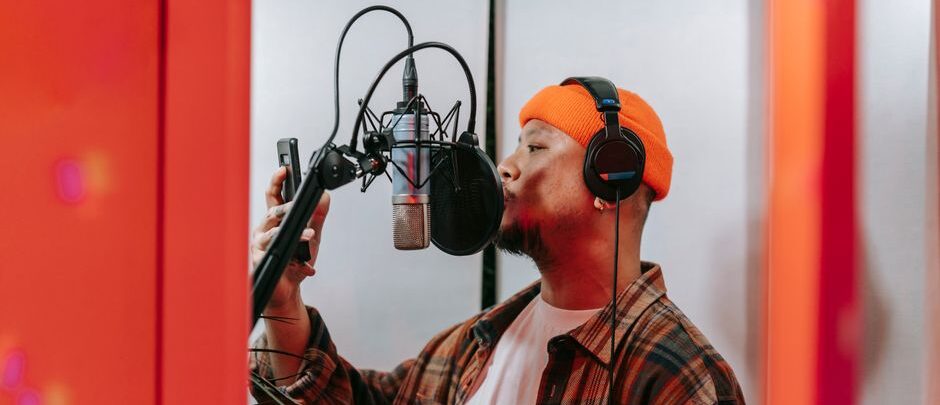
Walk into the Beijing office of iQiyi, one of China's leading streaming platforms, and you’ll see a control room that looks more like a mission command than an audio studio. Rows of sound engineers, script supervisors, and voice talent huddle over screens, parsing out lines for a Korean drama remake, line by painstaking line. This is not just about swapping words from Korean to Mandarin—this is about sculpting emotion for over 100 million viewers who will catch every nuance.
Yet outside China’s borders, many international studios still treat Chinese dubbing as an afterthought. They send files to agencies in Shenzhen or Taipei, ask for a “Mandarin version,” and check off the box. But here’s what most global producers miss: Chinese Voice Over today is less about literal translation and more about cultural engineering—and the stakes are getting higher every year.
The Numbers That Don't Lie
Netflix began localizing its originals for mainland China in earnest around 2017 (even though the platform itself remains blocked locally). By 2023, industry estimates suggested that Chinese-language dubs represented nearly 15% of all localization spend in pan-Asian media campaigns—a leap from barely 4% in the mid-2010s. In Shanghai alone, at least twenty independent studios have cropped up since 2018 to handle everything from children’s cartoons to AAA game trailers. Few realize how much of this work never makes it to Western ears.
The scale is astonishing: Tencent Video’s own internal workflow produces upwards of 500 hours of new dubbed content per month across Mandarin and major dialects. Western agencies entering this market often underestimate both the technical complexity and speed required; missed release windows can mean losing a slot on top streaming charts entirely.
Beyond Words: Tones Make or Break It
Unlike English or French dubs where lip-sync reigns supreme, Chinese voice over teams wrestle with tones—the difference between mā (mother) and mǎ (horse) can flip a scene from heartfelt to comic disaster. A common pattern among European anime distributors is to commission Mandarin tracks without considering regional accents or tonal precision. The result? Social media backlash.
For example: when Crunchyroll released an exclusive dubbed edition of a popular Japanese fantasy series with flat-toned dialogue recorded in Budapest rather than Beijing or Taipei, fans in Guangzhou immediately picked out the odd inflections—"like Siri reading Shakespeare," one Weibo user commented. Within days, viewership dropped off by double digits on partner platforms in southern China.
When AI Meets Tradition: Studio Experimentation in Germany and Australia
In Berlin last year, audio post house Klangwerk GmbH partnered with Hong Kong-based toolmaker PolyAI Voice Studio for an experimental workflow on educational video projects targeting Chinese-speaking expats. Their process blended synthetic Mandarin voices with live direction from native linguists via remote sessions—cutting turnaround time by almost 40%. Yet even with neural networks handling basic delivery, final passes were always handed back to experienced human actors for emotional authenticity.
Meanwhile in Sydney’s North Ryde district, localization agency SoundBridge routinely fields requests from Australian indie developers hoping to tap into China’s mobile gaming surge. According to their project manager Lisa Tang, "Clients assume we can swap out English vocals overnight—but QA teams have veto power if tone patterns don’t land right." She recounts one case where an adventure game had to redo all main character lines after test users flagged "unnatural intonation" as immersion-breaking—even though only two percent of players reported it explicitly. The lesson? In Chinese voice production circles, perfectionism is contagious.
Why Dialects Refuse To Die Out
The myth that "Mandarin covers everyone" persists—especially among US-based ad agencies launching campaigns for luxury brands like Cartier or L'Oréal into cities like Chengdu or Xiamen. In real-world practice however, market research shows up to 30% better engagement when ads are voiced in local dialects such as Cantonese or Shanghainese versus standard Putonghua alone.
A Shanghai creative director shared recently that her team produced parallel audio tracks for a perfume campaign: one set in crisp Mandarin targeting national broadcast slots; another tailored in Suzhou dialect exclusively for short-form Douyin (TikTok) placements. Result? Viral share rates doubled within Jiangsu province compared with generic versions—a data point now cited internally whenever budgets threaten regional adaptation work.
Localization Is Not Lip Service: Workflow Realities From Warsaw To Wuhan
Take CD Projekt Red’s approach during Cyberpunk 2077's Asian release window—they engaged external consultants from Shanghai Media Group early on not just for linguistic review but also culture-specific casting sessions via live video links. Even so, final recording took place at Warsaw's renowned Paprika Studios under tight supervision; files would be sent nightly across continents for approval before greenlighting any reel for master integration.
This kind of distributed pipeline has become routine among AAA game publishers aiming at simultaneous global launches—yet smaller indie outfits often struggle here due to cost constraints and lack of native project leads. Some turn instead to hybrid workflows leveraging cloud-based tools like Voicemod Pro (popularized by Spanish streamers but increasingly adopted across Asia), blending AI-generated temp tracks with rapid human retakes once funding allows full-scale dubbing passes.
The Perils Of Bad Casting And Overediting
Ask anyone who's worked three cycles on a WeChat miniseries pilot: casting matters more than ever when scripts are written natively in non-Chinese languages first. One frequent misstep among North American studios attempting direct-to-China animation releases has been hiring overseas Chinese students rather than seasoned pros familiar with screen acting conventions at home.
In practice this means re-recording entire seasons if initial feedback sours; several Vancouver post-production houses privately admit they keep backup contracts with Beijing-based voice collectives just in case episodes need rescue work weeks before launch deadlines. Industry insiders estimate nearly one-fifth of imported cartoon projects undergo partial redubbing due to mismatched vocal energy or poorly localized humor cues revealed only after audience previews air online.
Data Points And Deadlines: The Race Gets Faster Every Year
From late 2021 through early 2024—a period marked by explosive growth on Bilibili and Mango TV—the average turnaround time requested by clients dropped by half compared to pre-pandemic norms: what used to take six weeks now gets squeezed into three amid demand surges linked to viral social trends or cross-border co-productions (think Sino-Korean variety shows).
Studios are responding not just with overtime but smarter asset management systems; Guangzhou-based LinguaTech rolled out dashboard tracking tools letting producers monitor every step—from first script ingest through QC sign-off—in real time via phone app notifications.