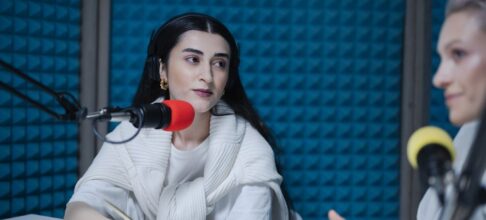
Frustration is a recurring theme in the world of media localization. Ask any producer in Tbilisi—or, for that matter, Warsaw—about voice over for "smaller" markets and you’ll get the same sigh: quality talent is scarce, budgets are tight, and timelines are always yesterday. But for Georgian content, these tensions have turned into something more consequential: an industry crossroads where economic realities collide with creative ambition.
The Rise of Regional Voices: Not Just an Afterthought
Until recently, most international film and game projects treated Georgian voice over as an afterthought—if they bothered at all. That began to change after , when Netflix-style streaming platforms started listing Georgian as a supported language. Suddenly, what had been limited to local TV dubbed soap operas was now a gateway to global audiences—and revenues.
Take Dubbing Brothers’ Eastern European division. In alone, they reported a % increase in requests for Georgian audio tracks from Western Europe-based distributors. The pattern isn’t unique; studios like Fun Studio in Tbilisi now routinely receive inquiries from German ad agencies eager to adapt campaigns for the Caucasus region.
But growth hasn’t come without growing pains. In one workflow observed last summer at a mid-sized game localization company based in Vilnius, adding Georgian voice over increased production time by almost %. The reason? A lack of experienced native actors familiar with video game scripts led to more retakes and longer post-production cycles.
A Different Market Math
The economics of Georgian voice work look nothing like those for Russian or Turkish. Local studios—think Postred Studios (Tbilisi)—rarely have access to the kind of unionized rosters seen in London or Paris. Instead, casting typically happens through informal networks or via Facebook groups dedicated to theatre alumni.
This leaner setup can be both an advantage and a headache. For example: when adapting an educational app for the Ministry of Education in Georgia last year, producers used non-union freelancers paid per minute of finished audio—a model borrowed from Polish audiobook publishers trying to contain costs on regional editions.
However, this pay-per-minute approach often results in uneven quality control. One project manager at a Sydney-based edtech startup recounted how their first attempt at localized Georgian narration ended up being re-recorded entirely after user complaints about mismatched intonation and regional dialect confusion.
Streaming Platforms Break Old Habits (Sort Of)
In practice, the arrival of platforms like Disney+ and Amazon Prime Video forced everyone’s hand. Large-scale productions started expecting consistent standards across all languages—including so-called “minor” ones like Georgian.
A notable case occurred during the launch of a popular children’s animated series on Amazon Prime Video’s Central Europe feed in : initial audience feedback flagged that the Georgian dub sounded “detached,” leading Amazon’s localization vendor in Berlin to switch providers mid-season—to a boutique studio near Rustaveli Avenue specializing in children’s voices.
The Economic Ripple Effect: More Than Just Paychecks
It would be easy to think this is just about actors landing more gigs, but the numbers tell another story altogether:
- According to informal estimates shared at last year’s European Localization Summit (held virtually out of Vienna), every € spent on high-quality voice over adaptation leads to €–€ returned via expanded subscription sales or ad revenue within six months—provided the adaptation feels authentic enough for target viewers.
- In Georgia itself, several mid-tier studios reported hiring growth between –% year-on-year since —driven largely by international demand rather than local commissioning bodies.
- Even AI tools are entering quietly: several Tbilisi-based production managers admitted off-record that they use Descript’s overdub feature as a scratch track before bringing live actors into the booth—a hybrid workflow similar to what Spanish podcast creators have adopted since .
Case Study: From Berlin Pitch Decks To Batumi Sound Booths
Consider this scenario pulled straight from last winter’s production cycle:
A Berlin-based indie gaming publisher wants their narrative RPG ready for launch across five languages—including Georgian—for simultaneous release on Steam and Epic Games Store. Their pipeline looks like this:
1) Master English script translated by an agency based in Vilnius,
2) Rough AI pass using ElevenLabs tools for timing tests,
3) Final human recording session booked at Voicedream Studio (Batumi), working with three professional actors sourced through personal recommendations,
4) Postproduction handled remotely by engineers split between Kutaisi and Cologne,
5) All wrapped up inside five weeks—a schedule only possible because preselected AI tracks gave the human performers reliable pacing cues.
The result? Sales data showed that while only 6% of total purchases came from Georgia proper, positive social media buzz about "authentic dialogue" drove unexpected downloads among diaspora communities in Germany and Israel—which accounted for nearly one-fifth of total post-launch revenue spike according to internal reports shared with investors two months later.
Looking Forward By Looking Sideways: Lessons From Elsewhere?
If there’s any lesson here—from rushed dubs on Polish radio dramas circa to today’s cross-border digital pipelines—it might be this: successful regional voice over depends less on tech wizardry than on hyper-local knowhow and nimble workflows tuned not just for budget but also nuance.
Even as some teams chase efficiency via AI-driven synthetic voices (a trend already visible among advertising agencies in Prague), most content producers eyeing Georgia seem wary—they still trust seasoned ears more than algorithms when it comes to lip sync or subtle emotional delivery.
Still Frustrating? Yes—but Also Opportunity Waiting To Be Heard
So yes—the frustration remains: casting is slow; rates are inconsistent; quality can swing wildly depending on who picks up their phone that week. Yet underneath it all runs something more dynamic—a fast-evolving ecosystem where even small investments ripple outward far beyond sound booths or spreadsheets.
In Tbilisi today you’ll find enterprising students setting up home studios; directors texting script changes late into Sunday nights; tech-savvy producers blending old-school craft with new-school tools—all quietly reshaping what “Georgian voice over” means on both sides of every border.